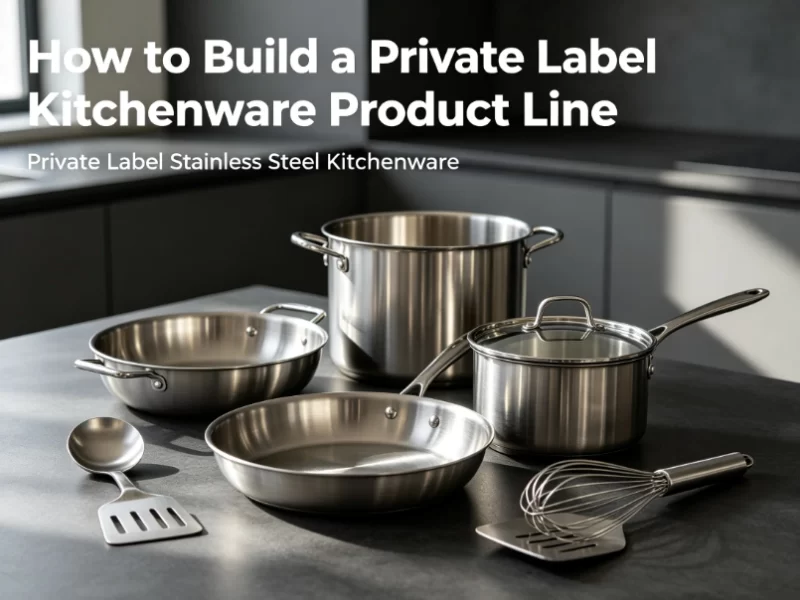
Pour créer une gamme d'ustensiles de cuisine en marque de distributeur qui rencontre le succès, il ne suffit pas d'apposer un logo sur des produits existants. Les marques ont besoin d'une feuille de route stratégique pour leurs produits, d'un partenaire de fabrication fiable, de normes de qualité cohérentes et de capacités de personnalisation évolutives. En tant que fabricant expérimenté d'ustensiles de cuisine en OEM/ODM, Allnice aide les importateurs, grossistes et distributeurs du monde entier à transformer leurs idées en collections d'ustensiles de cuisine en acier inoxydable prêtes à être commercialisées, grâce à la conception de produits, au développement d'outillages, à la personnalisation de l'image de marque et à une production de masse efficace.
Pourquoi les articles de cuisine en marque de distributeur deviennent-ils une stratégie de croissance pour les marques internationales ?
Le marché des ustensiles de cuisine est devenu de plus en plus concurrentiel. Les détaillants, les distributeurs et les marques de commerce en ligne ne se contentent plus de simplement revendre des produits génériques. Ils cherchent des moyens de créer des collections uniques, d'améliorer leurs marges bénéficiaires et de fidéliser leur clientèle sur le long terme.
C'est pourquoi le développement d'une gamme d'ustensiles de cuisine en marque de distributeur est devenu une stratégie intéressante pour les entreprises qui souhaitent exercer un plus grand contrôle sur leur image de marque, leur politique tarifaire et leur positionnement sur le marché.
Cependant, la création d'une gamme de produits à succès ne se résume pas à choisir des articles dans un catalogue et à y apposer un logo. Pour qu'un programme de marque de distributeur soit rentable, il nécessite une planification minutieuse à tous les niveaux : sélection des produits, conception, matériaux, processus de fabrication, contrôle qualité, conditionnement et gestion de la chaîne d'approvisionnement.
Un professionnel fabricant d'ustensiles de cuisine peut aider les marques à éviter les erreurs courantes en matière d'approvisionnement et à concevoir des produits qui répondent aux attentes des clients tout en maintenant des coûts de production stables. Selon les pratiques du secteur en matière d'approvisionnement, les programmes de marques de distributeur qui réussissent combinent généralement la différenciation des produits, l'expertise en fabrication et un contrôle qualité rigoureux, plutôt que de se concentrer uniquement sur des prix unitaires bas.
Pour les importateurs, les grossistes et les distributeurs, la question essentielle est la suivante :
Comment créer une gamme d'ustensiles de cuisine en marque de distributeur qui soit compétitive, évolutive et qui inspire confiance aux clients ?
Définissez le positionnement de votre marque avant de développer vos produits
La première étape pour créer une gamme d'ustensiles de cuisine en marque de distributeur ne consiste pas à choisir les produits, mais à définir votre positionnement sur le marché.
De nombreux acheteurs commettent l'erreur de commencer par consulter les catalogues des fabricants. Ils choisissent des produits en fonction de leur aspect ou de leur prix, sans se demander si ces produits sont en adéquation avec l'identité de leur marque.
Une approche plus efficace consiste à répondre d'abord à ces questions :
- Qui sont vos clients cibles ?
- Quel canal de vente allez-vous utiliser ?
- Dans quelle gamme de prix souhaitez-vous vous positionner ?
- Quels problèmes vos produits doivent-ils résoudre ?
- Comment vos clients devraient-ils percevoir votre marque ?
Par exemple :
Une marque d'ustensiles de cuisine haut de gamme peut mettre l'accent sur :
- Fabrication en acier inoxydable de haute qualité
- Finition élégante des surfaces
- Une grande longévité
- Emballage prêt à offrir
Un fournisseur de services de restauration collective peut donner la priorité à :
- Matériaux très résistants
- Produits de grande capacité
- Nettoyage facile
- Efficacité des achats en gros
Un détaillant qui cible les consommateurs lambda peut mettre l'accent sur :
- Des tarifs abordables
- Conceptions fonctionnelles
- Collections complètes de cuisine
Sans un positionnement clair, votre gamme de produits risque de devenir un simple ensemble hétéroclite d'articles plutôt qu'un système de marque identifiable.
Choisissez les bonnes catégories de produits et constituez une collection complète
Le succès d'une marque d'ustensiles de cuisine repose rarement sur un seul produit. Les clients s'attendent généralement à une collection coordonnée qui réponde à de multiples besoins en cuisine.
Lorsque vous planifiez votre gamme d'ustensiles de cuisine en marque de distributeur, pensez à créer des groupes de produits plutôt que des références individuelles.
Parmi les catégories courantes, on peut citer :
ustensiles de cuisine en acier inoxydable
Exemples :
- Poêles à frire
- Casseroles
- Marmites
- Parasols de cuisine
- Ustensiles de cuisine adaptés à la cuisson à induction
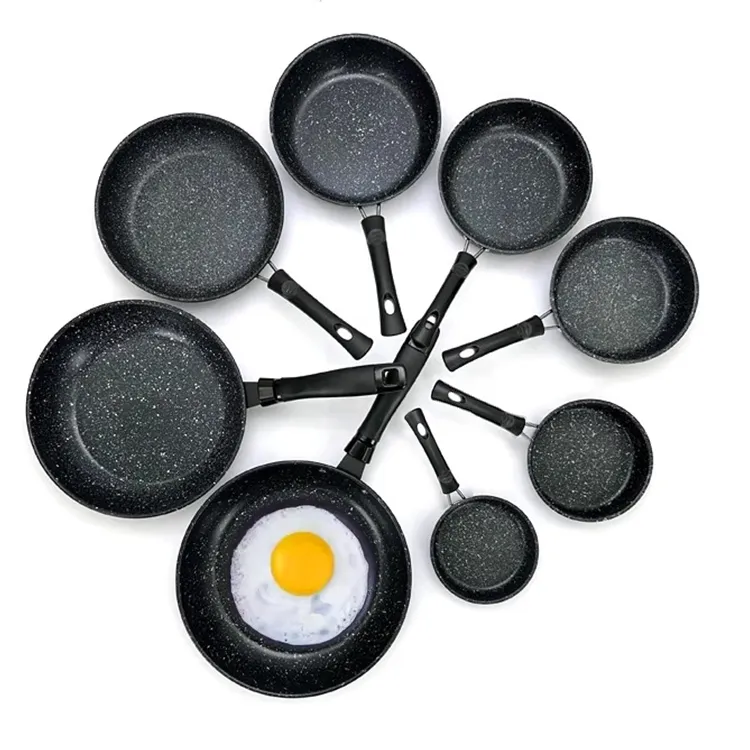
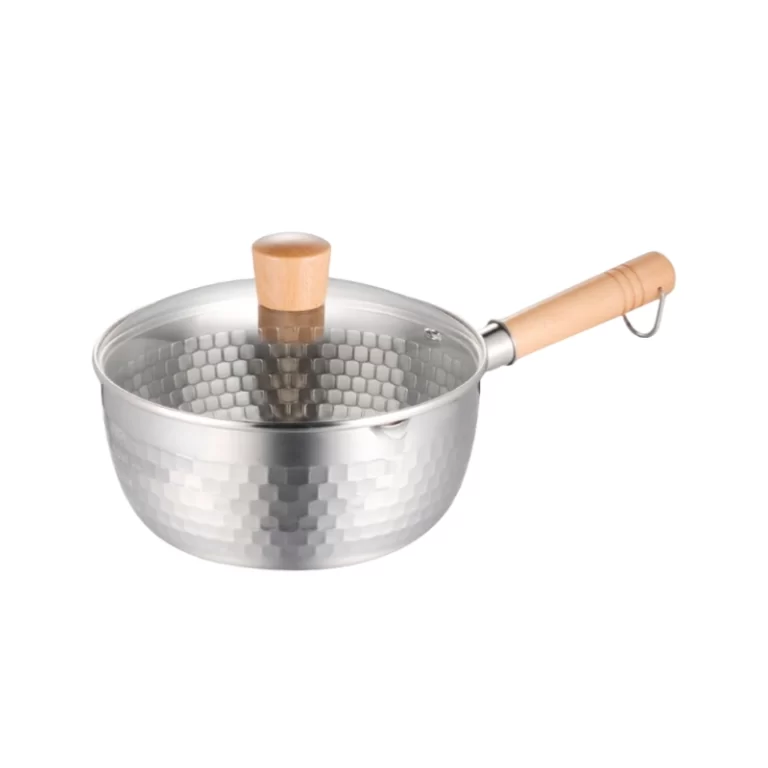
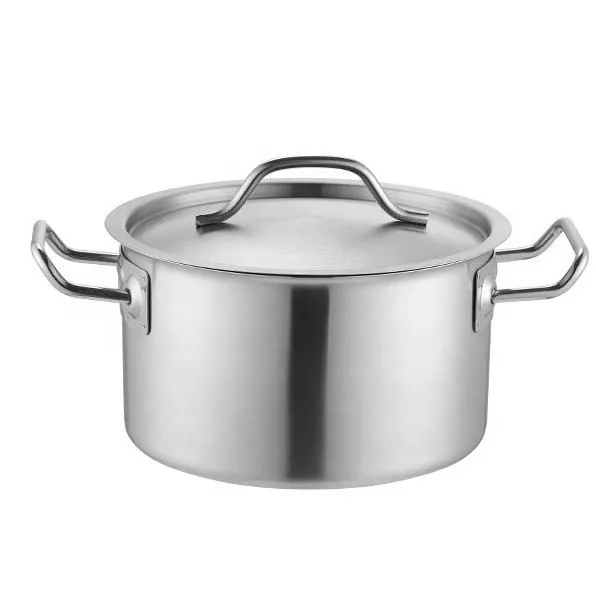
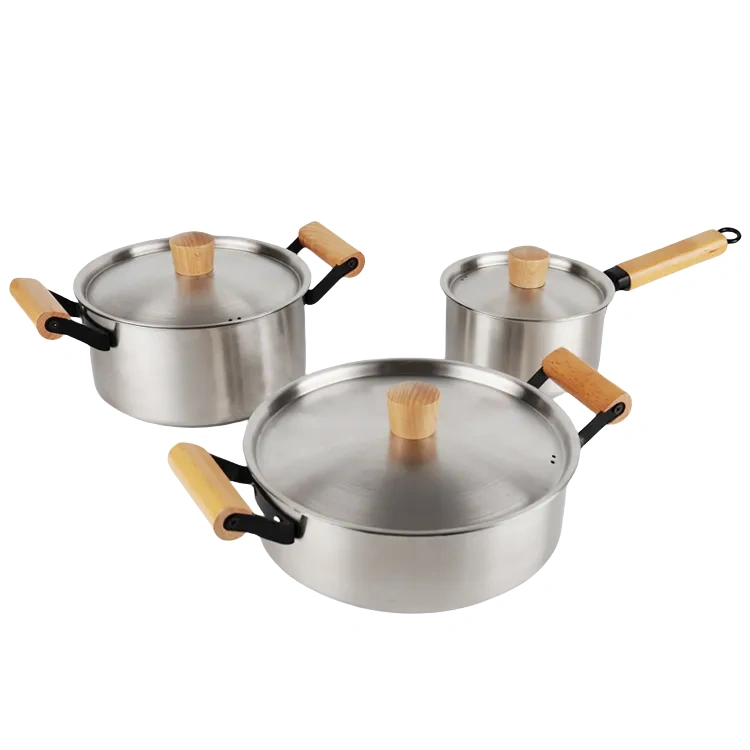
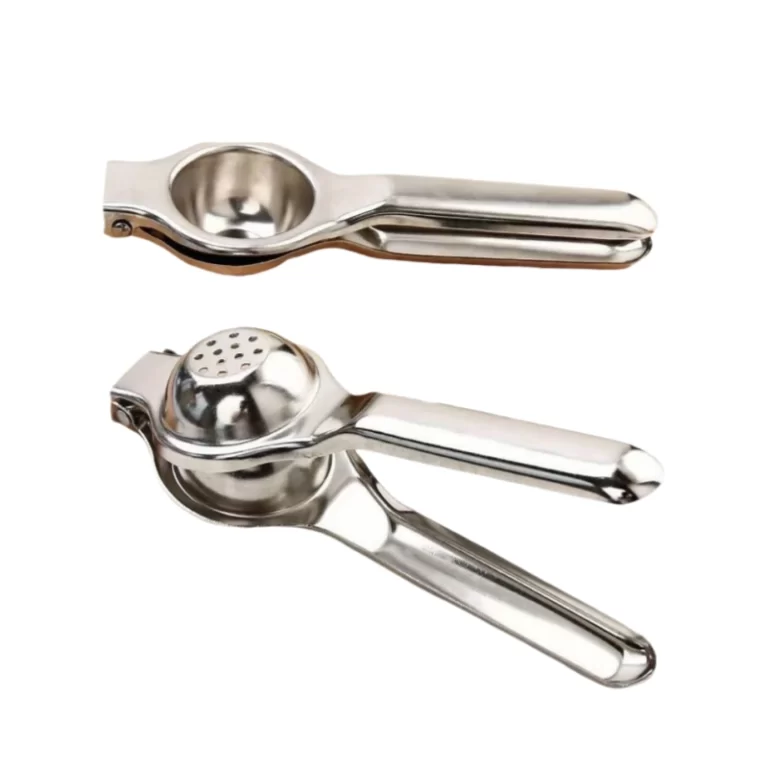
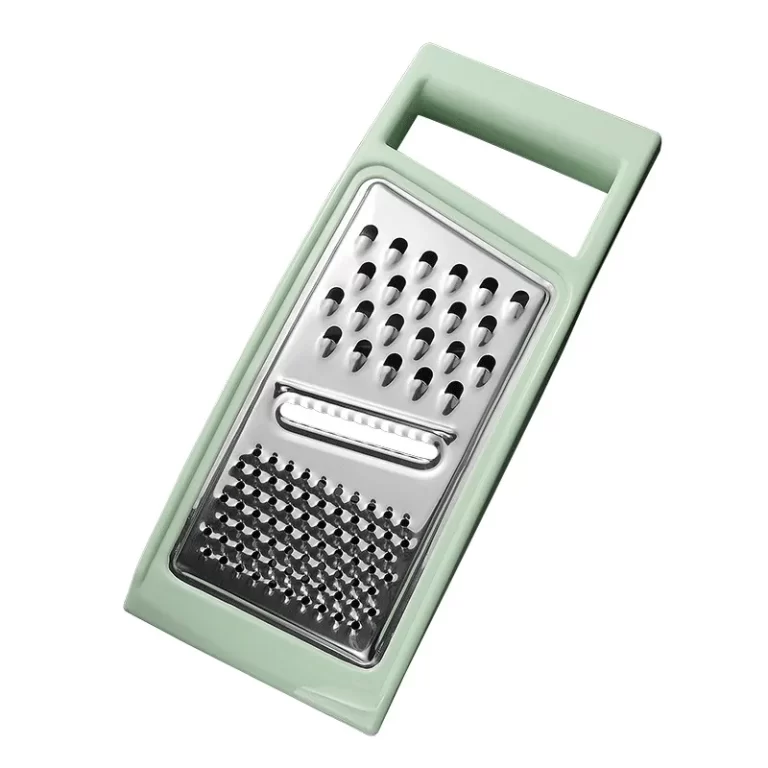
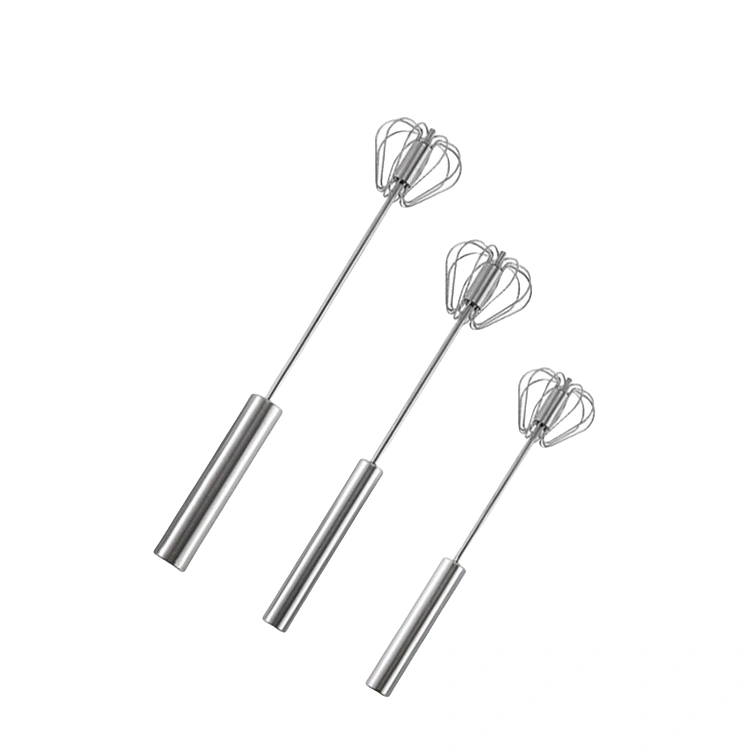
Ustensiles et accessoires de cuisine
Exemples :
- Spatules
- Louches
- Pinces
- Fouets
- Outils de mesure
Vaisselle et matériel de restauration
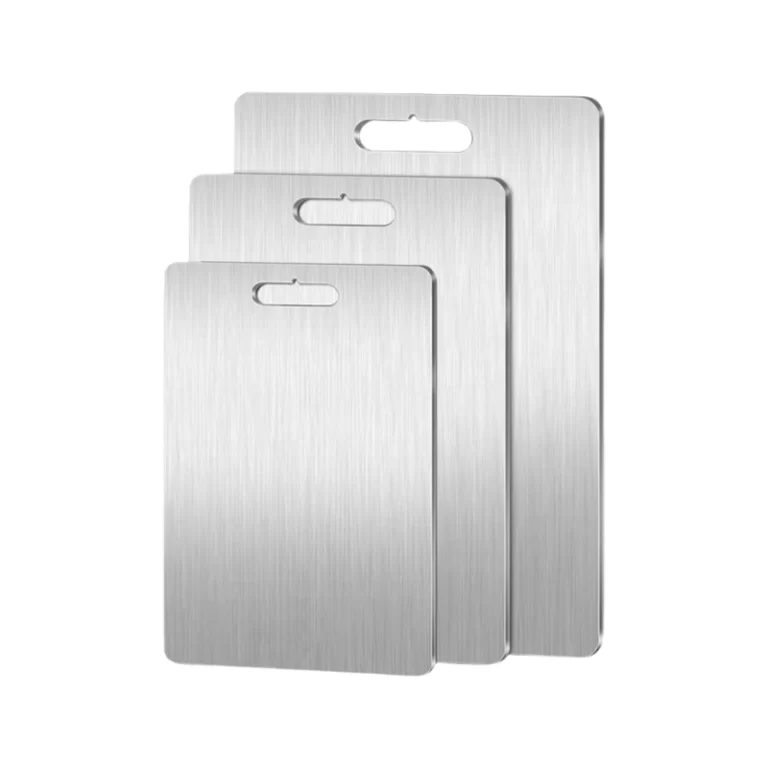
Exemples :
- Plateaux en acier inoxydable
- Ustensiles de service
- Fournitures pour hôtels et restaurants
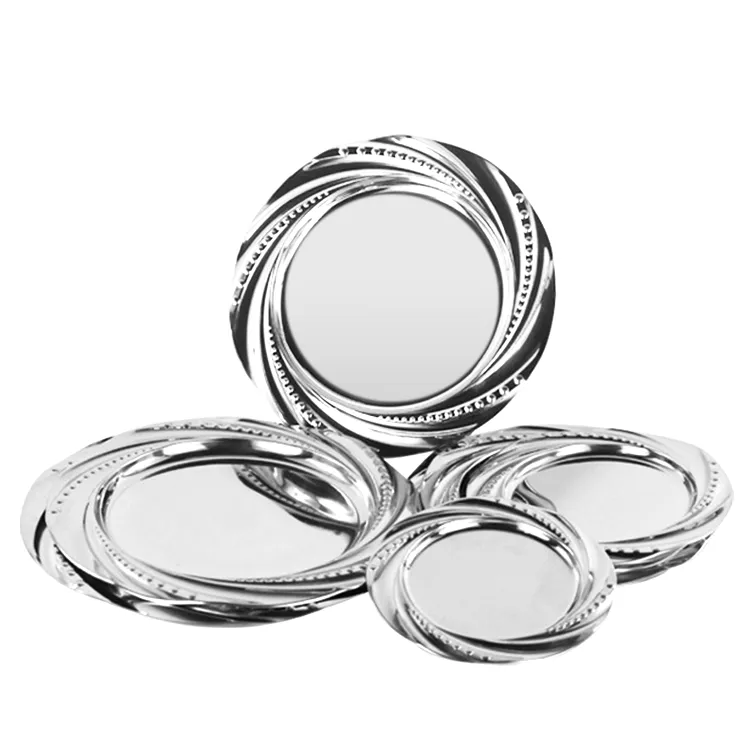
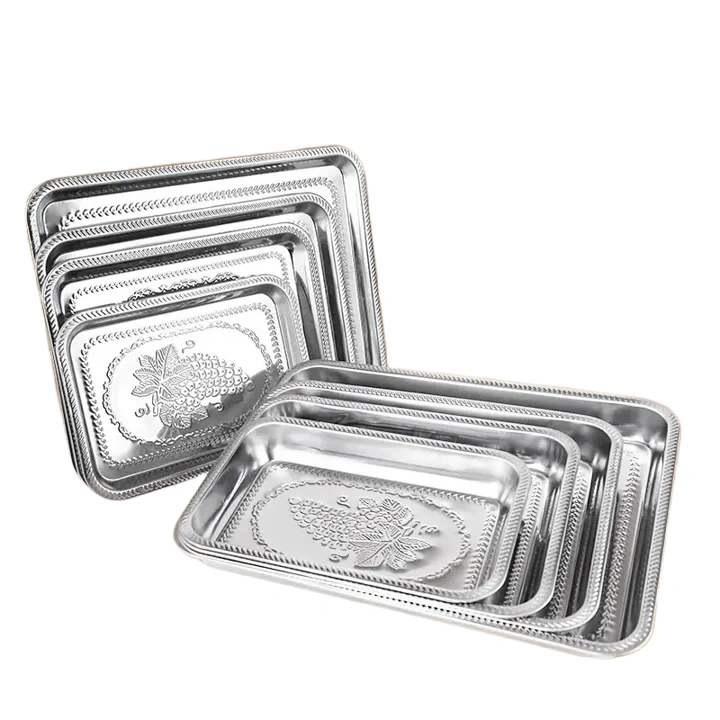
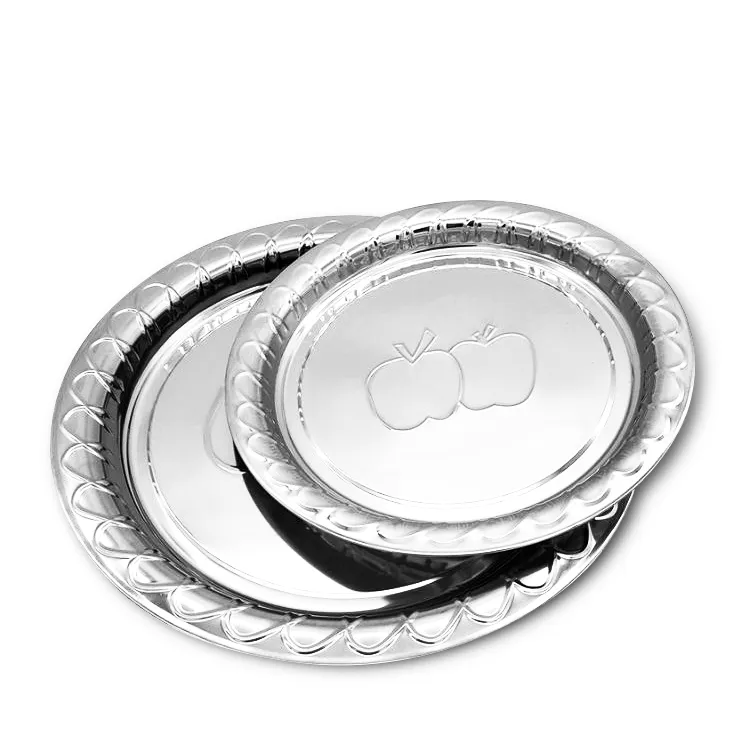
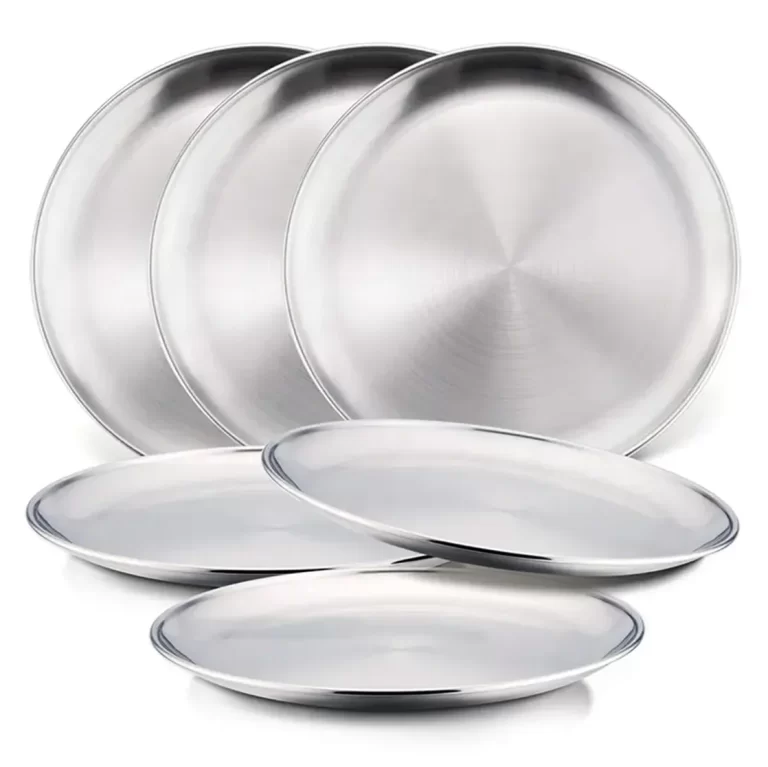
L'objectif est d'assurer la cohérence des produits.
Les clients doivent pouvoir reconnaître d'emblée que différents produits appartiennent à la même marque.
Parmi les éléments importants, on peut citer :
- Conception similaire de la poignée
- Traitement de surface homogène
- Style d'emballage harmonisé
- Assortiment des couleurs des produits
- Un positionnement similaire en termes de qualité
Une gamme de produits n'est pas simplement un ensemble d'articles. Il s'agit d'un système structuré dans lequel chaque référence contribue à la notoriété de la marque et à son développement futur.
Choisissez entre les modèles de fabrication OEM et ODM
L'un des choix les plus importants à faire pour créer une gamme d'ustensiles de cuisine en marque de distributeur consiste à choisir le bon modèle de fabrication.
Fabrication d'ustensiles de cuisine pour le compte de fabricants d'équipement d'origine (OEM)
Le terme « OEM » (Original Equipment Manufacturing) signifie que l'acheteur fournit les exigences, les spécifications ou les plans du produit, et que le fabricant le produit conformément à ces normes.
La formule OEM convient aux marques qui souhaitent :
- Conceptions de produits uniques
- Personnalisation complète
- Caractéristiques exclusives du produit
- Une forte différenciation de la marque
Avantages :
- Un meilleur contrôle de l'aspect des produits
- Une meilleure protection des créations originales
- Un avantage concurrentiel accru
Défis :
- Une hausse des investissements dans le développement
- Allongement des délais de développement des produits
Fabrication d'ustensiles de cuisine en ODM
L'ODM (Original Design Manufacturing) permet aux marques de choisir des modèles existants développés par des fabricants et de les personnaliser en termes d'image de marque, d'emballage, de matériaux, de couleurs ou de fonctionnalités.
L'ODM convient aux entreprises qui souhaitent :
- Une mise sur le marché plus rapide
- Réduction des coûts de développement
- Des structures de produits qui ont fait leurs preuves
Avantages :
- Des cycles de développement plus courts
- Réduction des investissements en outillage
- Des tests de produits plus simples
Défis :
- Une exclusivité de conception moindre par rapport aux projets OEM complets
De nombreuses marques à succès combinent ces deux approches : elles se lancent rapidement sur le marché grâce à des produits ODM, puis développent des produits OEM exclusifs après avoir identifié des opportunités commerciales.
Collaborez avec un fabricant qui offre un accompagnement complet
Le choix du bon partenaire de fabrication a une incidence directe sur le succès de votre gamme d'ustensiles de cuisine en marque de distributeur.
Un fournisseur fiable ne doit pas se contenter d'offrir une simple capacité de production.
L'accompagnement professionnel devrait inclure :
Assistance à la conception de produits
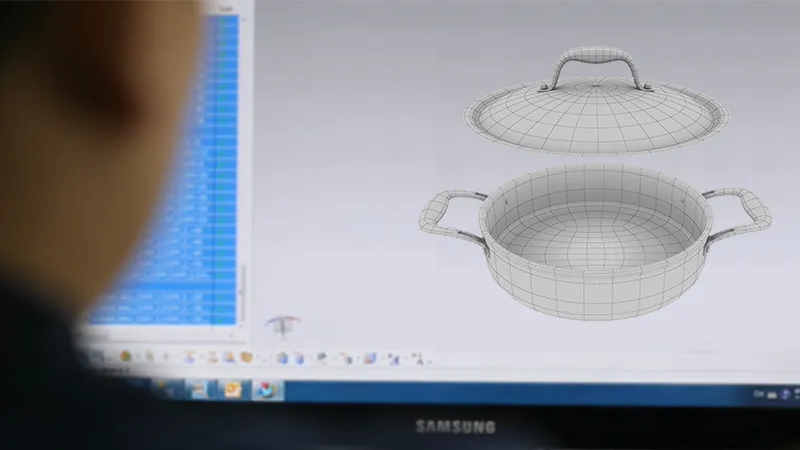
A fabricant compétent peut contribuer à optimiser :
- Structure du produit
- Choix des matériaux
- Faisabilité technique
- Rentabilité
Pour les ustensiles de cuisine en acier inoxydable, des facteurs tels que l'épaisseur du matériau, la qualité des soudures, la finition de surface et la fixation des poignées ont une influence directe sur les performances du produit.
Développement d'outillage
Les moules et outillages sur mesure permettent aux marques de créer des produits qui se démarquent.
Une usine professionnelle devrait proposer :
- Conception de moules
- Développement de prototypes
- Contrôle des échantillons
- Ajustement de la production
Personnalisation de l'image de marque
Les produits de marque de distributeur nécessitent une présentation de marque percutante.
Les options de personnalisation peuvent inclure :
- Gravure de logo au laser
- Logo en relief
- Couleurs personnalisées
- Emballages destinés à la vente au détail
- Manuels d'utilisation
- Coffrets cadeaux
Contrôle qualité
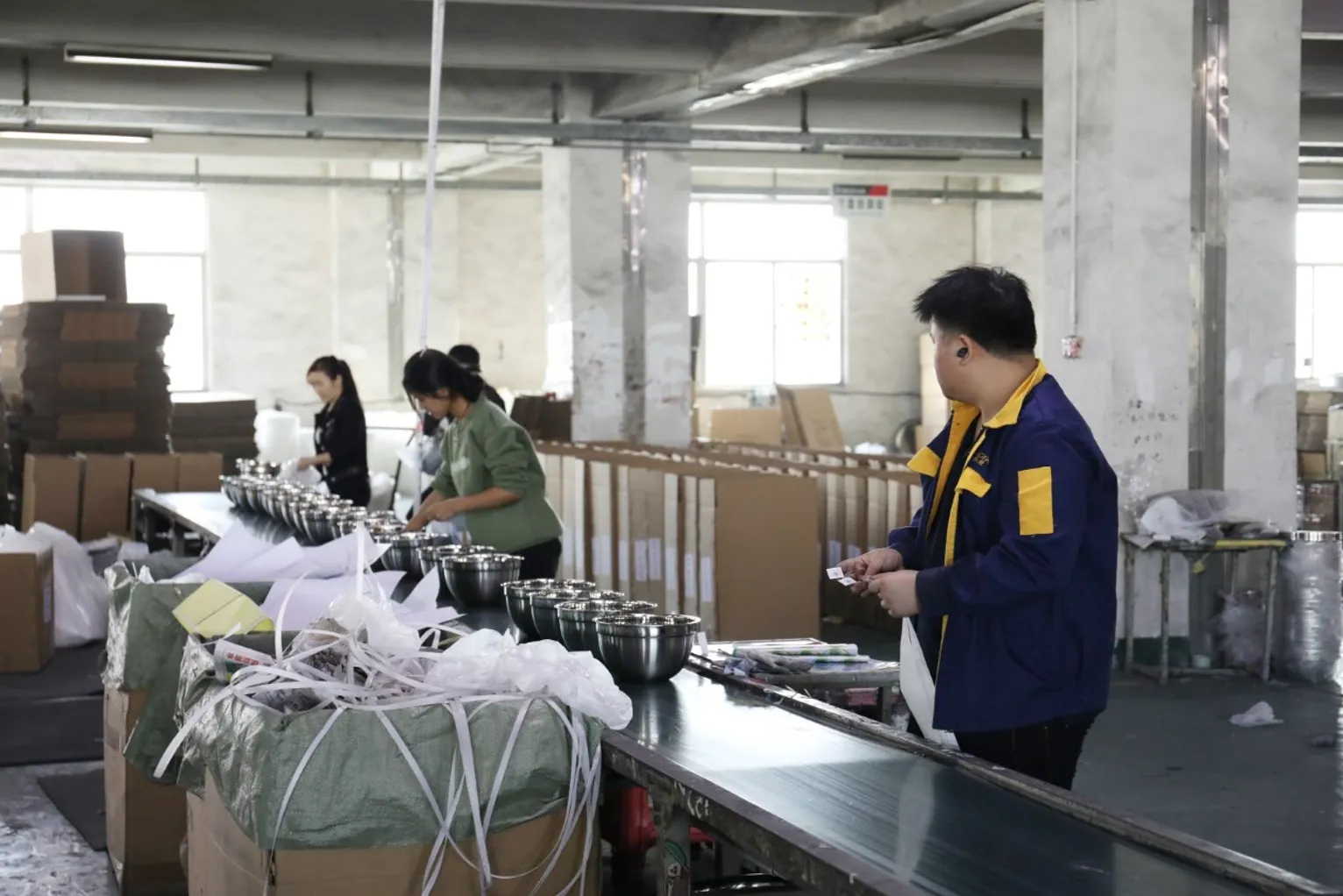
Les problèmes de qualité peuvent rapidement nuire à la réputation d'une marque.
Une fiabilité fabricant d'ustensiles de cuisine devraient prévoir des procédures d'inspection portant sur :
- Contrôle des matières premières
- Suivi de la production
- Contrôle des produits finis
- Contrôle des emballages
Pour les acheteurs B2B, la constance de la qualité est tout aussi importante que la conception du produit, car la fidélité des clients dépend de la stabilité des performances.
Choisissez les matériaux adaptés pour trouver le juste équilibre entre qualité, performances et coût
Le choix des matériaux joue un rôle essentiel dans le succès d'une gamme d'ustensiles de cuisine en marque de distributeur, car ceux-ci ont une incidence directe sur la durabilité des produits, leur aspect, l'expérience client et les coûts de production.
En ce qui concerne les ustensiles de cuisine en acier inoxydable, les acheteurs prennent généralement en compte plusieurs critères essentiels :
- Résistance à la corrosion
- Performances en matière de sécurité alimentaire
- Distribution de la chaleur
- Aspect de la surface
- Durée de vie du produit
- Coût de fabrication
Parmi les options les plus courantes en matière d'acier inoxydable, on trouve :
Acier inoxydable 304
L'acier inoxydable 304 est largement utilisé dans les ustensiles de cuisine haut de gamme en raison de son excellente résistance à la corrosion, de sa durabilité et de son innocuité au contact des aliments.
Il convient pour :
- Ustensiles de cuisine haut de gamme
- Récipients de conservation des aliments
- Ustensiles de cuisine haut de gamme
- Produits de qualité professionnelle
Avantages :
- Excellente résistance à la rouille
- Grande résistance à l'usure
- Forte notoriété auprès des consommateurs
Remarque :
- Coût des matériaux plus élevé par rapport aux autres nuances
Acier inoxydable 201
L'acier inoxydable 201 est souvent choisi pour les produits qui doivent offrir un prix compétitif tout en conservant un aspect esthétique.
Il est couramment utilisé pour :
- Accessoires de cuisine à petit prix
- Matériel de cuisine professionnel
- Produits grand public vendus en grandes quantités
Avantages :
- Rentabilité
- Bel aspect après polissage
- Adapté à la production à grande échelle
Remarque :
- Résistance à la corrosion inférieure à celle de l'acier inoxydable 304
Construction multicouche en acier inoxydable
En ce qui concerne les ustensiles de cuisine, les structures multicouches peuvent améliorer les performances de cuisson.
Parmi les structures courantes, on trouve :
- acier inoxydable à trois couches
- Acier inoxydable à 5 couches
- Noyau en aluminium recouvert de couches d'acier inoxydable
Les avantages comprennent :
- Meilleure répartition de la chaleur
- Réduction des points chauds
- Amélioration de l'efficacité de cuisson
Selon l'Agence américaine des produits alimentaires et médicamenteux (FDA), les matériaux utilisés dans les applications en contact avec les aliments doivent répondre à des exigences de sécurité afin de réduire les risques liés à la contamination alimentaire. Par conséquent, les marques doivent toujours travailler avec fabricants qui fournissent une documentation technique et des rapports d'essais en bonne et due forme.
Choisir des matériaux en se basant uniquement sur le prix le plus bas peut entraîner des problèmes à long terme, notamment des réclamations de la part des clients, des taux de retour plus élevés et une atteinte à la réputation de la marque.
Un fournisseur professionnel aide les marques à trouver le juste équilibre entre :
Qualité du produit + attentes du marché cible + coût de production.
Réaliser des échantillons avant la production en série
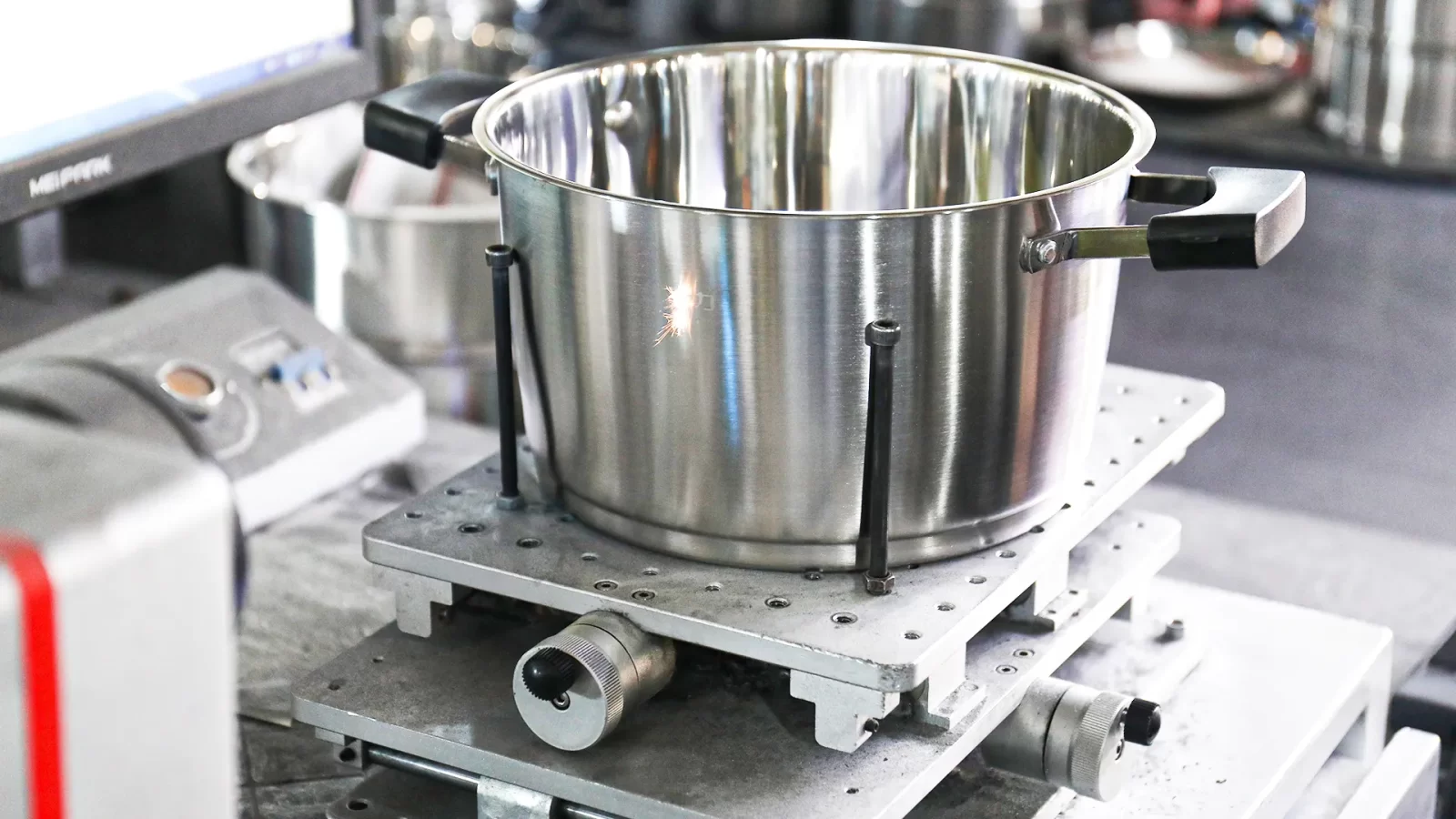
Avant de lancer une gamme d'ustensiles de cuisine en marque de distributeur, la phase d'échantillonnage constitue l'une des étapes les plus importantes.
Une erreur courante chez les nouvelles marques consiste à se lancer directement dans la production en série sans avoir effectué suffisamment de tests.
Le développement professionnel de produits comprend généralement :
Revue du concept
Le fabricant évalue :
- Faisabilité technique
- Processus de fabrication
- Coût estimé
- Améliorations possibles
Développement de prototypes
Les échantillons permettent aux acheteurs de vérifier :
- Dimensions du produit
- Poids
- Apparence
- Fonctionnalité
- Expérience utilisateur
Tests et modifications
Au cours de cette étape, les marques peuvent adapter :
- Conception de la poignée
- Épaisseur du produit
- Finition des surfaces
- Détails de l'emballage
La validation des échantillons permet de réduire les risques liés à la production et de garantir que les produits finis répondent aux attentes du marché.
Pour les acheteurs internationaux, ce processus revêt une importance particulière, car la résolution de problèmes de production majeurs après l'expédition peut s'avérer coûteuse et prendre beaucoup de temps.
Mettre en place des normes rigoureuses en matière de contrôle qualité
Le contrôle qualité est l'un des principaux éléments qui distinguent les marques de distributeur à succès des simples revendeurs.
Lorsque les clients achètent des ustensiles de cuisine de marque, ils s'attendent à ce qu'ils offrent des performances constantes.
A fabricant fiable devrait mettre en place des contrôles de qualité tout au long du processus de production.
Contrôle des matières entrantes
Vérifier :
- Nuance d'acier inoxydable
- Épaisseur du matériau
- Certificats des fournisseurs
- Qualité de surface
Contrôle de production
Écran :
- Qualité de soudage
- Précision d'assemblage
- Consistance du polissage
- Dimensions du produit
Contrôle des produits finis
Évaluer :
- Défauts d'aspect
- Performances fonctionnelles
- État de l'emballage
- Précision des quantités
Un système de contrôle qualité efficace contribue à réduire :
- Réclamations des clients
- Retours de produits
- Avis négatifs
- Perturbations de la chaîne d'approvisionnement
Pour les acheteurs B2B, la fiabilité de la production ne se résume pas à la livraison des produits dans les délais : il s'agit avant tout de garantir la croissance à long terme de l'entreprise.
Créez un emballage et une image de marque adaptés à votre marché
Une gamme d'ustensiles de cuisine en marque de distributeur ne saurait être complète sans une stratégie de marque professionnelle.
L'emballage est souvent le premier contact physique que les clients ont avec votre produit.
Un emballage de marque de distributeur efficace doit transmettre les messages suivants :
- Identité de marque
- Avantages du produit
- Mode d'emploi
- Attentes en matière de qualité
Les options de personnalisation peuvent inclure :
- Impression du logo de la marque
- Boîtes aux couleurs personnalisées
- Étiquettes des produits
- Gestion des codes-barres
- Emballage prêt à la vente
Pour les distributeurs et les détaillants, les emballages personnalisés améliorent également la visibilité en rayon et aident les produits à rivaliser avec les marques bien établies.
A fabricant spécialisé devrait soutenir à la fois la fabrication des produits et la mise en valeur de la marque.
Avantages et inconvénients de la création d'une gamme d'ustensiles de cuisine sous marque propre
Avantages
1. Des marges bénéficiaires plus élevées
Les produits sous marque de distributeur permettent aux entreprises de maîtriser leurs stratégies de prix, plutôt que de se livrer à une concurrence fondée uniquement sur les coûts des fournisseurs.
2. Une meilleure notoriété de la marque
Des designs, des emballages et des gammes de produits originaux permettent aux clients de se souvenir de votre marque.
3. Une plus grande différenciation du marché
Au lieu de commercialiser des produits identiques proposés par plusieurs fournisseurs, les marques peuvent créer des collections exclusives.
4. Croissance à long terme de l'entreprise
Une gamme de produits à succès favorise les achats répétés et l'élargissement de la catégorie.
Inconvénients
1. Un investissement initial plus élevé
Le développement des produits, les échantillons, le conditionnement et l'outillage nécessitent un investissement initial.
2. Un calendrier de développement plus long
Par rapport à l'achat de produits prêts à l'emploi, la personnalisation nécessite une planification supplémentaire.
3. Une plus grande responsabilité en matière de gestion de la qualité
Les propriétaires de marques doivent sélectionner avec soin leurs fabricants et définir des normes de qualité.
4. Exigences relatives à la quantité minimale de commande
De nombreuses usines exigent le respect d'une quantité minimale de commande (MOQ), en particulier pour les produits sur mesure.
Toutefois, ces défis peuvent être surmontés en s'associant à un fabricant OEM/ODM expérimenté, capable de proposer des solutions flexibles et des conseils professionnels.
FAQ : Création d'une gamme d'ustensiles de cuisine en marque de distributeur
Q1 : Qu'est-ce qu'une gamme d'ustensiles de cuisine en marque de distributeur ?
A gamme d'ustensiles de cuisine en marque de distributeur Il s'agit d'une gamme d'articles de cuisine fabriqués par un fournisseur et commercialisés sous le nom d'un propriétaire de marque. La marque contrôle le positionnement des produits, leur conditionnement et la stratégie commerciale, tandis que le fabricant se charge de la production.
Q2 : Combien de temps faut-il pour développer une gamme d'ustensiles de cuisine en marque de distributeur ?
Le calendrier dépend de la complexité du produit, des exigences en matière de personnalisation et des processus de test.
En règle générale :
- Produits ODM existants : environ 1 à 3 mois
- Produits OEM sur mesure : environ 3 à 6 mois, voire plus
Parmi les facteurs qui influent sur la durée de développement, on peut citer :
- Exigences en matière d'outillage
- Rapidité d'approbation des échantillons
- Disponibilité des matériaux
- Calendrier de production
Q3 : Quels sont les critères à prendre en compte pour choisir un fabricant d'ustensiles de cuisine en marque de distributeur ?
Un fabricant fiable doit présenter les caractéristiques suivantes :
- Une expérience avérée dans le secteur
- Une forte capacité de production
- Capacités OEM/ODM
- Systèmes de contrôle qualité
- Assistance à la conception sur mesure
- Expérience à l'exportation
Le bon fournisseur doit agir en tant que partenaire de fabrication plutôt que comme un simple fournisseur de produits.
Q4 : Quels articles de cuisine se prêtent à la vente sous marque de distributeur ?
Parmi les catégories les plus populaires, on trouve :
- ustensiles de cuisine en acier inoxydable
- Ustensiles de cuisine
- Ustensiles de cuisine
- Matériel de restauration
- Articles de table
- Solutions de rangement
Les marques doivent choisir leurs produits en fonction de leur clientèle cible et de leurs canaux de distribution.
Q5 : Un fabricant peut-il apporter son aide pour la conception du produit et son conditionnement ?
Oui. Les fabricants OEM/ODM expérimentés peuvent proposer :
- Assistance à la conception de produits
- Développement de prototypes
- Personnalisation du logo
- Solutions d'emballage
- Optimisation de la production
Cela permet aux marques de développer leurs produits plus efficacement.
Conclusion
Pour créer une gamme compétitive d'ustensiles de cuisine sous marque de distributeur, il ne suffit pas de trouver une usine proposant des prix bas. Il faut un partenaire industriel qui maîtrise le développement de produits, les normes de qualité, les exigences en matière de personnalisation et les attentes des marchés internationaux.
Comment Allnice aide les marques internationales à créer des collections d'ustensiles de cuisine à succès
Allnice est un fabricant de référence d'articles de cuisine, spécialisé dans les ustensiles de cuisine en acier inoxydable, les accessoires de cuisine, la vaisselle et le matériel de restauration destinés aux importateurs, grossistes et distributeurs du monde entier. Fort d'une grande expérience dans les services OEM/ODM, Allnice propose des solutions complètes couvrant la conception de produits, le développement de moules, la personnalisation de logos, l'accompagnement en matière d'emballage et la production à grande échelle.
Grâce à de solides capacités de production, à des processus de contrôle qualité rigoureux et à des prix compétitifs proposés directement par l'usine, Allnice aide les marques à créer des collections d'ustensiles de cuisine fiables qui répondent aux différents besoins du marché.
Que vous lanciez une nouvelle marque, élargissiez votre gamme de produits ou recherchiez un partenaire de fabrication à long terme, Allnice peut vous aider à transformer vos idées en produits de grande qualité, prêts à être commercialisés.
Contact Allnice dès aujourd'hui pour discuter de votre projet de gamme d'ustensiles de cuisine en marque de distributeur et élaborer une solution sur mesure pour accompagner la croissance de votre entreprise.
Produits apparentés
-

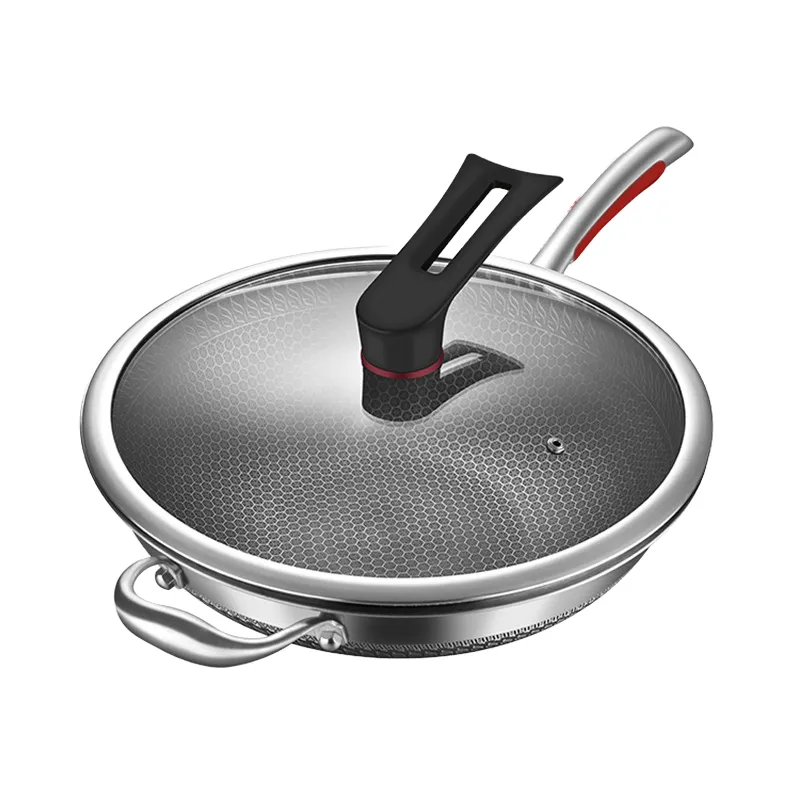
Wholesale Honeycomb Wok with Glass Lid, 304 Stainless Steel Frying Pan Supplier
-

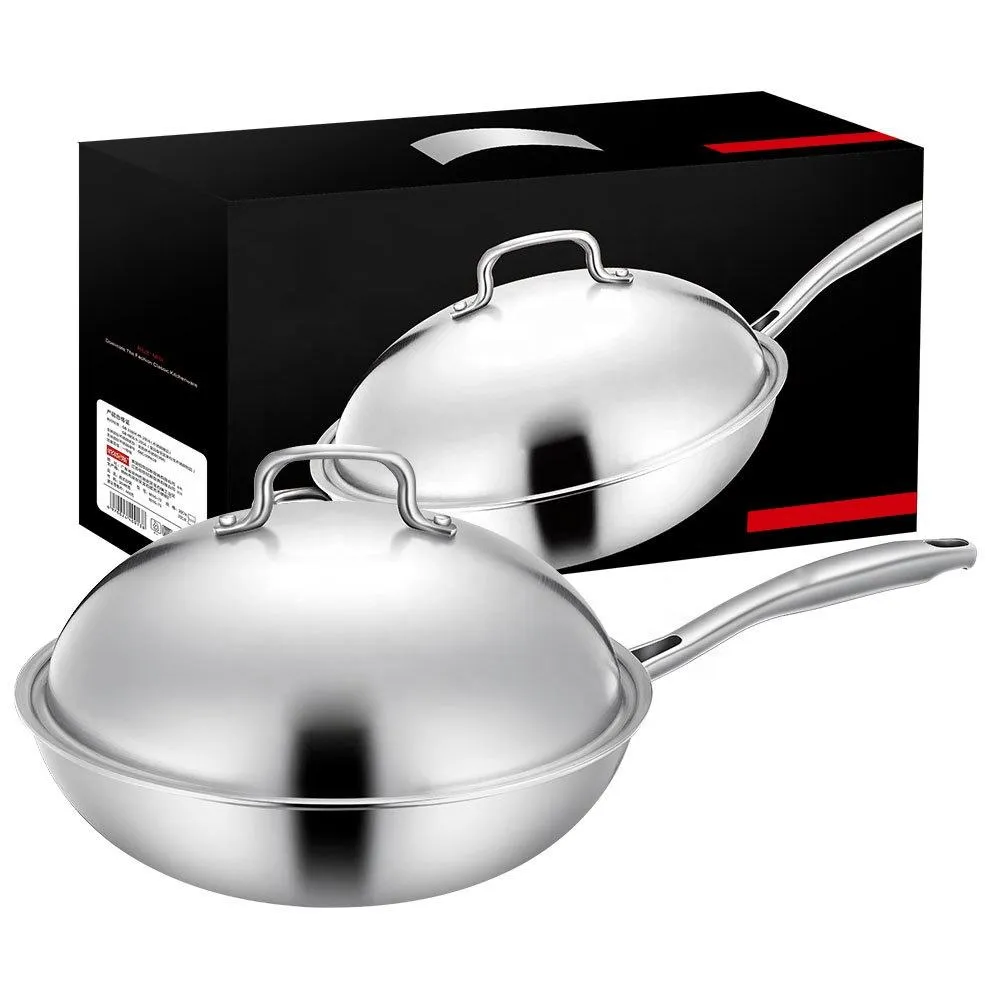
Wholesale 18/8 Stainless Steel Wok Pan with Lid, Non-stick Cookware Manufacturer
-
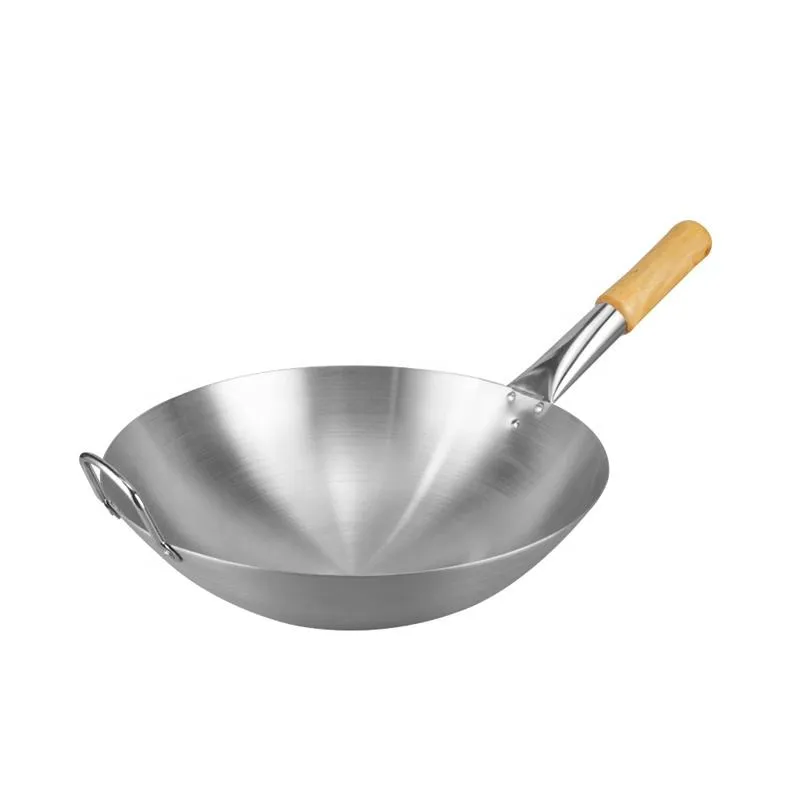
Fabricant chinois de woks en acier inoxydable, poêle à frire avec manche en bois
-

Wholesale 7 Piece Stock Pot Set, Hot Sale Multi-size Aluminum Cooking Pot Set Supplier