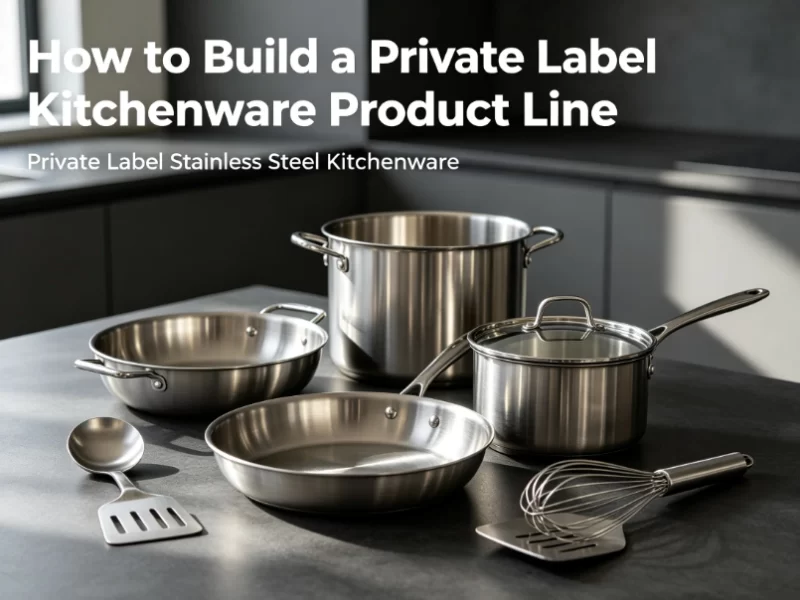
Building a successful private label kitchenware product line requires more than adding a logo to existing products. Brands need a strategic product roadmap, a reliable manufacturing partner, consistent quality standards, and scalable customization capabilities. As an experienced OEM/ODM kitchenware manufacturer, Allnice helps global importers, wholesalers, and distributors transform ideas into market-ready stainless steel kitchenware collections through product design, tooling development, branding customization, and efficient mass production.
Why Private Label Kitchenware Is Becoming a Growth Strategy for Global Brands
The kitchenware market has become increasingly competitive. Retailers, distributors, and e-commerce brands are no longer satisfied with simply reselling generic products. They are looking for ways to create unique collections, improve profit margins, and build long-term customer loyalty.
This is why developing a private label kitchenware product line has become an attractive strategy for businesses that want greater control over branding, pricing, and market positioning.
However, creating a successful product line involves much more than selecting products from a catalog and adding a logo. A profitable private label program requires careful planning across product selection, design, materials, manufacturing processes, quality inspection, packaging, and supply chain management.
A professional kitchenware manufacturer can help brands avoid common sourcing mistakes and build products that match customer expectations while maintaining stable production costs. According to industry sourcing practices, successful private label programs usually combine product differentiation, manufacturing expertise, and consistent quality control rather than focusing only on low unit prices.
For importers, wholesalers, and distributors, the key question is:
How can you build a private label kitchenware product line that is competitive, scalable, and trusted by customers?
Define Your Brand Position Before Developing Products
The first step in building a private label kitchenware product line is not choosing products — it is defining your market position.
Many buyers make the mistake of starting with factory catalogs. They select products based on appearance or price without considering whether those products support their brand identity.
A stronger approach is to answer these questions first:
- Who are your target customers?
- Which sales channel will you use?
- What price level do you want to compete in?
- What problems should your products solve?
- How should customers perceive your brand?
For example:
A premium kitchenware brand may focus on:
- High-quality stainless steel construction
- Elegant surface finishing
- Long-lasting durability
- Gift-ready packaging
A commercial catering supplier may prioritize:
- Heavy-duty materials
- Large capacity products
- Easy cleaning
- Bulk purchasing efficiency
A retailer targeting everyday consumers may focus on:
- Affordable pricing
- Functional designs
- Complete kitchen collections
Without clear positioning, your product line may become a random collection of items instead of a recognizable brand system.
Select the Right Product Categories and Build a Complete Collection
A successful kitchenware brand rarely depends on a single product. Customers usually expect a coordinated collection that solves multiple kitchen needs.
When planning your private label kitchenware product line, consider creating product groups instead of individual SKUs.
Typical categories include:
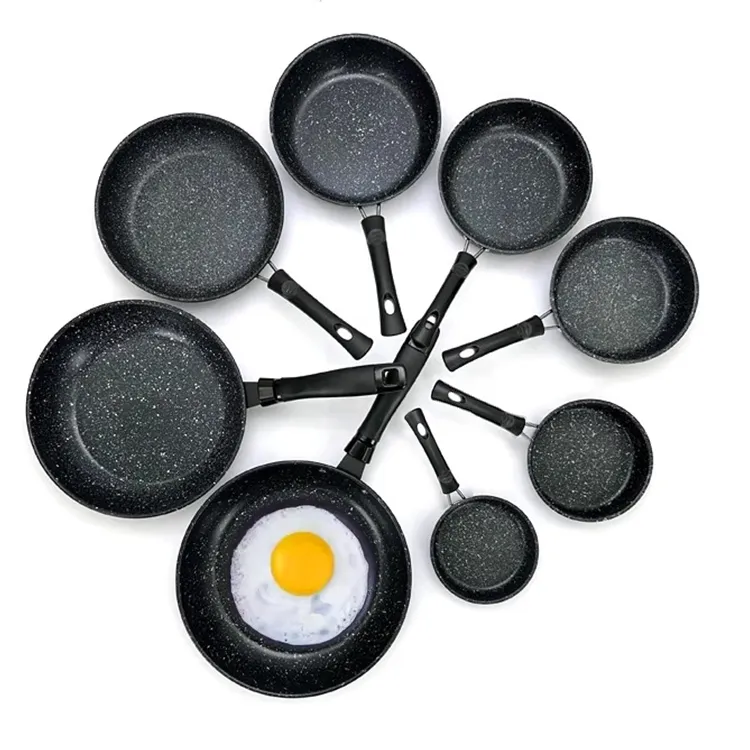
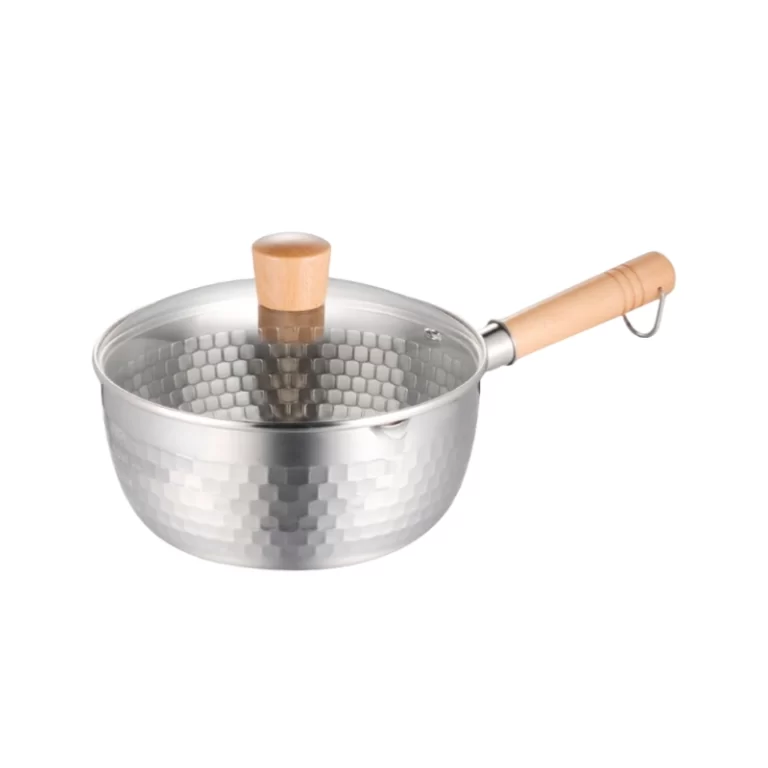
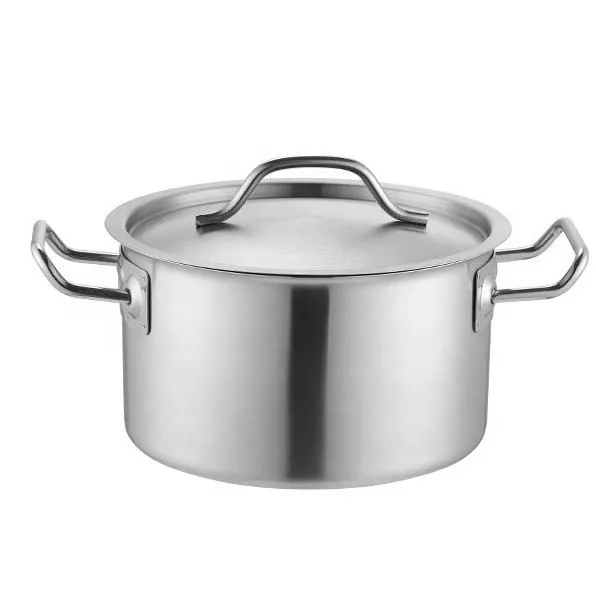
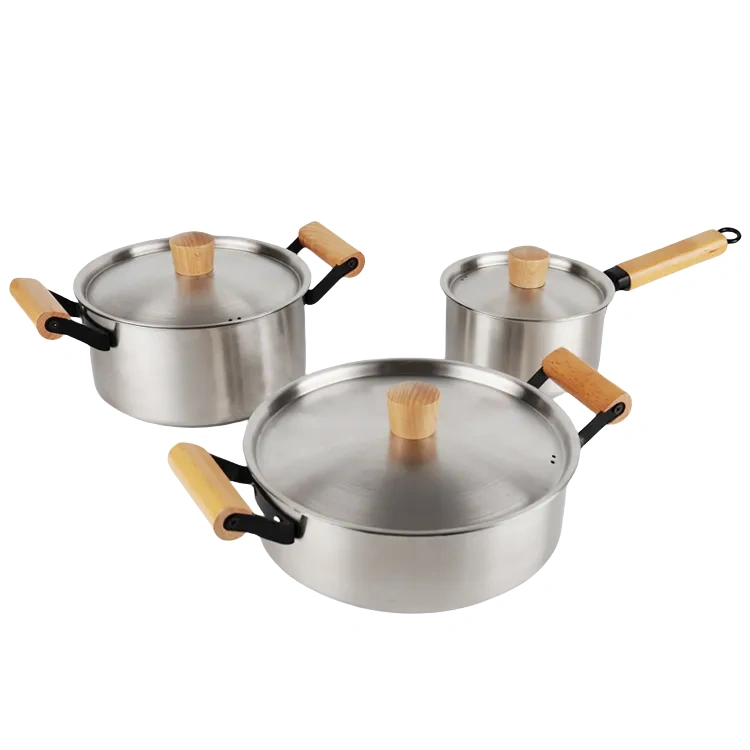
Stainless Steel Cookware
Examples:
- Frying pans
- Sauce pans
- Stock pots
- Cookware sets
- Induction-compatible cookware
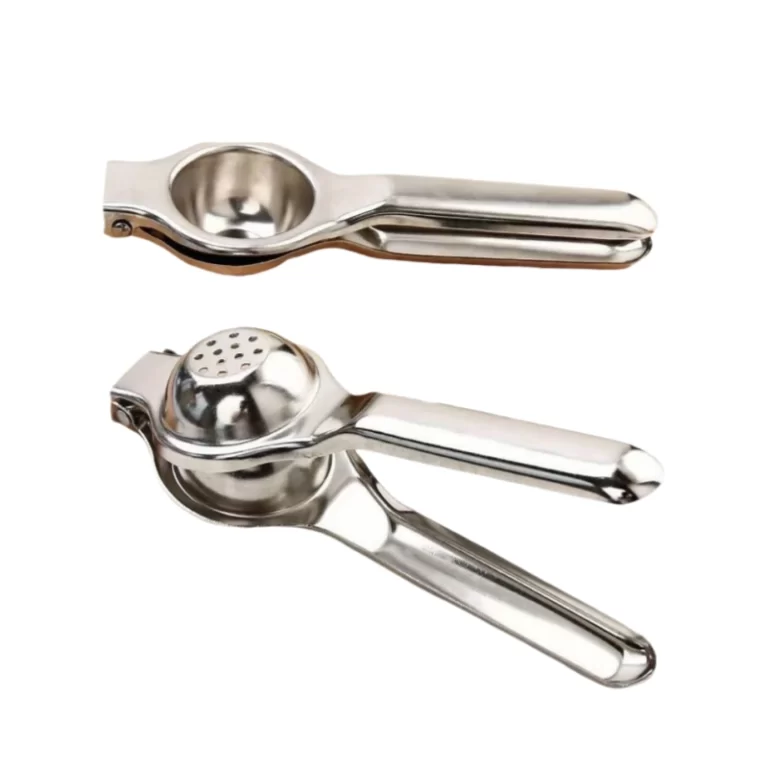
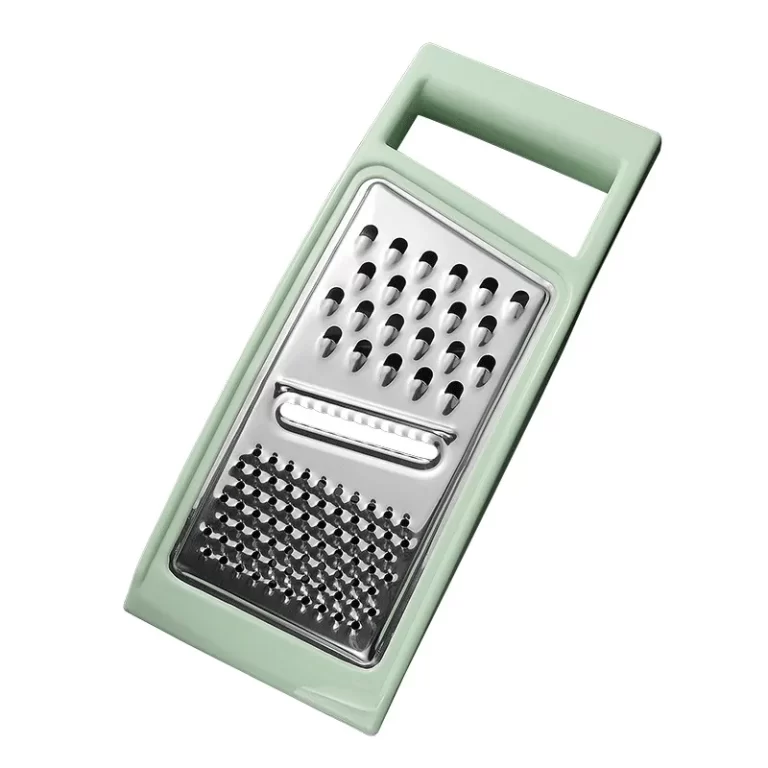
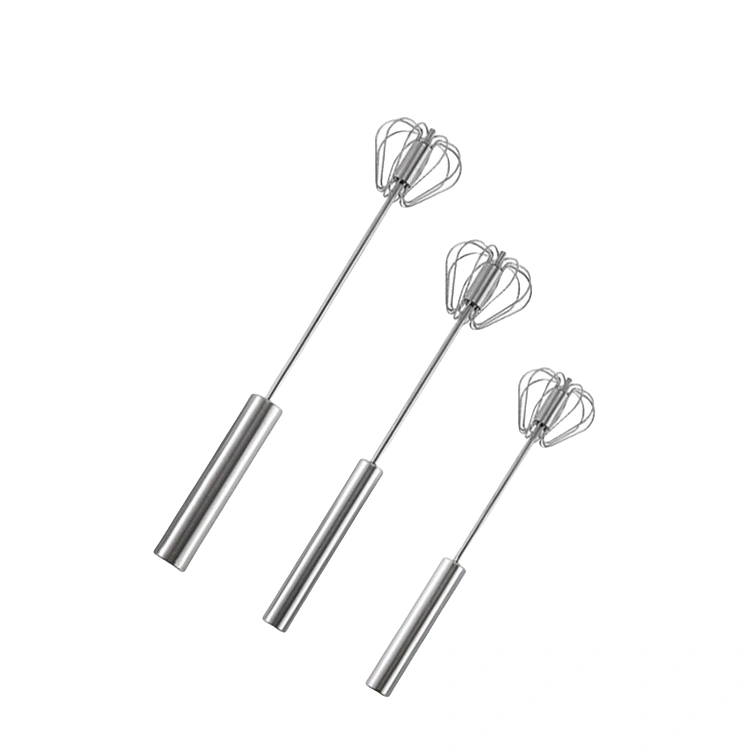
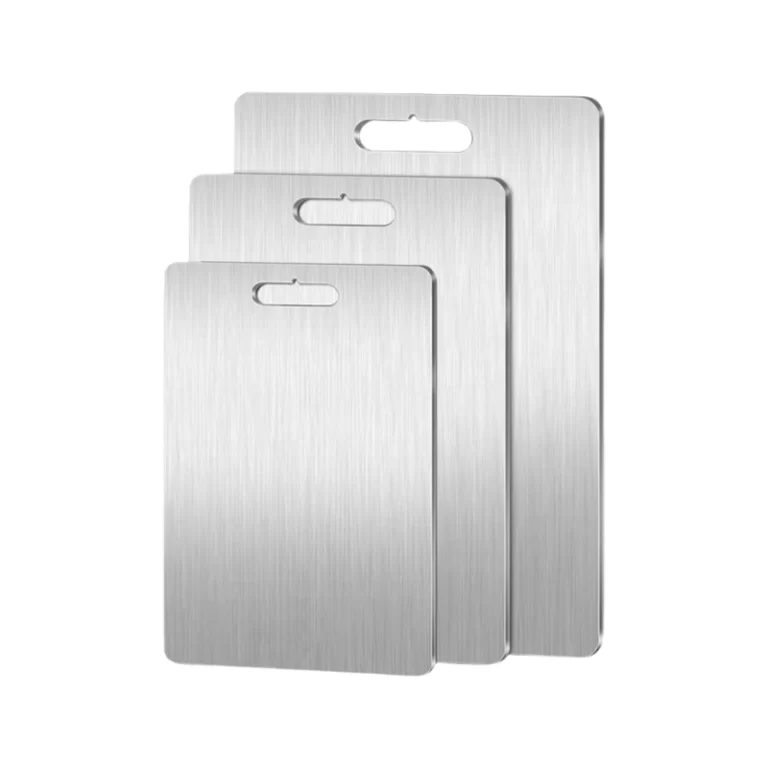
Kitchen Tools and Accessories
Examples:
- Spatulas
- Ladles
- Tongs
- Whisks
- Measuring tools
Tableware and Catering Equipment
Examples:
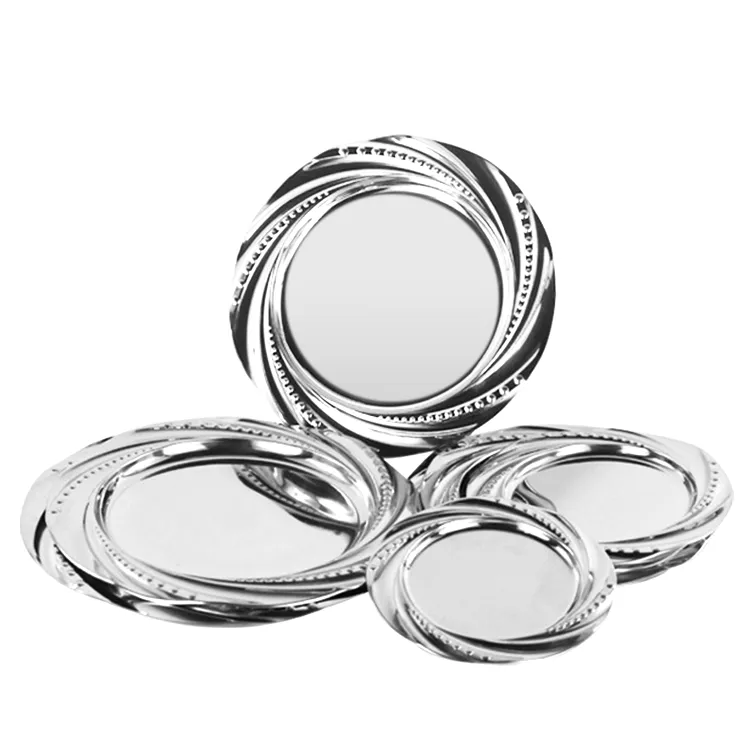
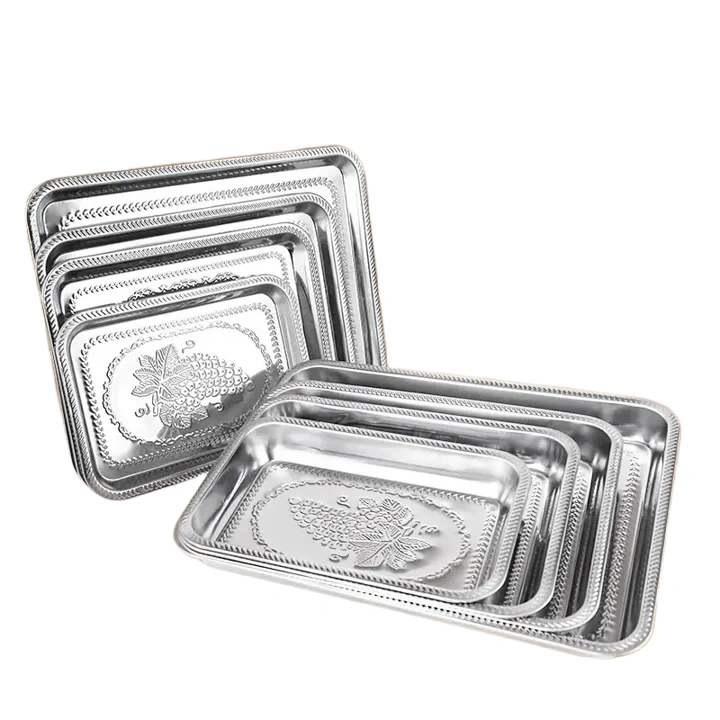
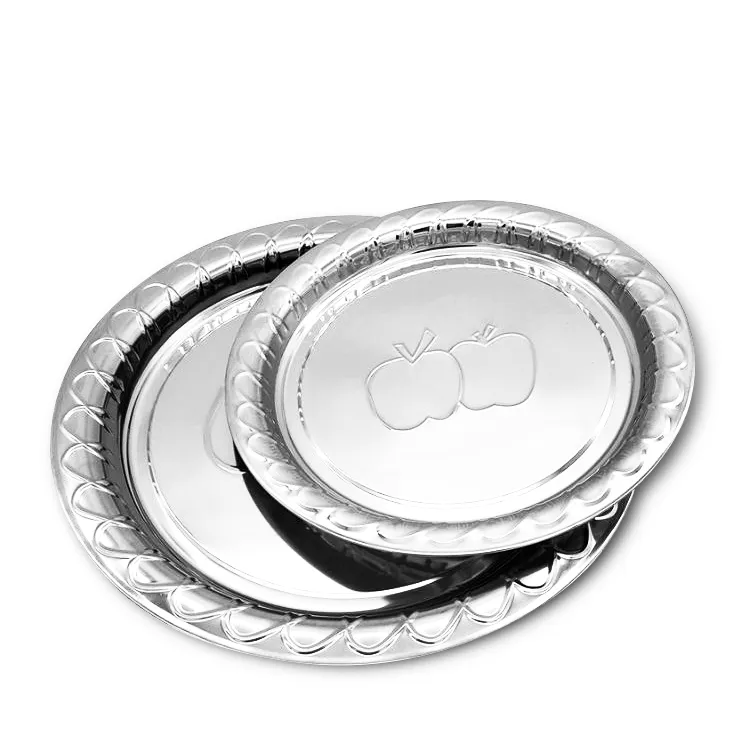
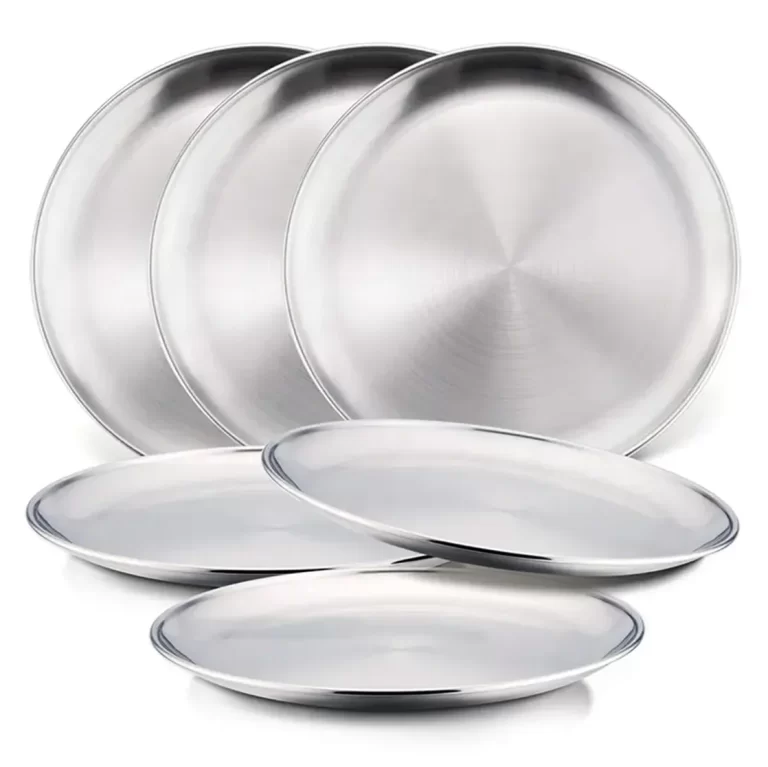
- Stainless steel trays
- Serving utensils
- Hotel and restaurant supplies
The goal is to create product consistency.
Customers should immediately recognize that different products belong to the same brand.
Important elements include:
- Similar handle design
- Consistent surface treatment
- Unified packaging style
- Matching product colors
- Similar quality positioning
A product line is not simply a collection of items. It is a structured system where each SKU supports brand recognition and future expansion.
Choose Between OEM and ODM Manufacturing Models
One of the most important decisions for building a private label kitchenware product line is selecting the right manufacturing model.
OEM Kitchenware Manufacturing
OEM (Original Equipment Manufacturing) means the buyer provides product requirements, specifications, or designs, and the manufacturer produces according to those standards.
OEM is suitable for brands that want:
- Unique product designs
- Full customization
- Exclusive product features
- Strong brand differentiation
Advantages:
- Greater control over product appearance
- Better protection of unique designs
- Stronger competitive advantage
Challenges:
- Higher development investment
- Longer product development timeline
ODM Kitchenware Manufacturing
ODM (Original Design Manufacturing) allows brands to select existing manufacturer-developed designs and customize them with branding, packaging, materials, colors, or functions.
ODM is suitable for companies that want:
- Faster market entry
- Lower development costs
- Proven product structures
Advantages:
- Shorter development cycles
- Reduced tooling investment
- Easier product testing
Challenges:
- Less design exclusivity compared with full OEM projects
Many successful brands combine both approaches: launching quickly through ODM products and developing exclusive OEM products after identifying market opportunities.
Work With a Manufacturer That Provides Full-Service Support
Choosing the right manufacturing partner directly affects the success of your private label kitchenware product line.
A reliable supplier should provide more than production capacity.
Professional support should include:
Product Design Assistance
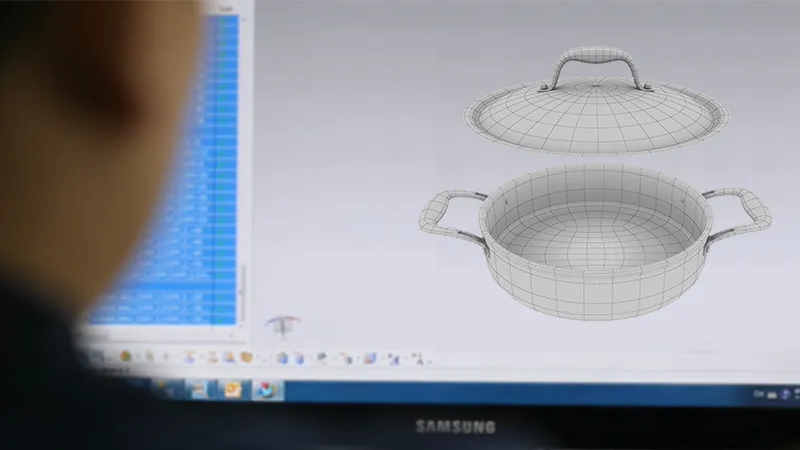
A capable manufacturer can help optimize:
- Product structure
- Material selection
- Manufacturing feasibility
- Cost efficiency
For stainless steel kitchenware, factors such as material thickness, welding quality, surface finishing, and handle connection directly influence product performance.
Tooling Development
Custom molds and tooling allow brands to create differentiated products.
A professional factory should support:
- Mold design
- Prototype development
- Sample testing
- Production adjustment
Branding Customization
Private label products require strong brand presentation.
Customization options may include:
- Laser logo engraving
- Embossed branding
- Custom colors
- Retail packaging
- Instruction manuals
- Gift boxes
Quality Control
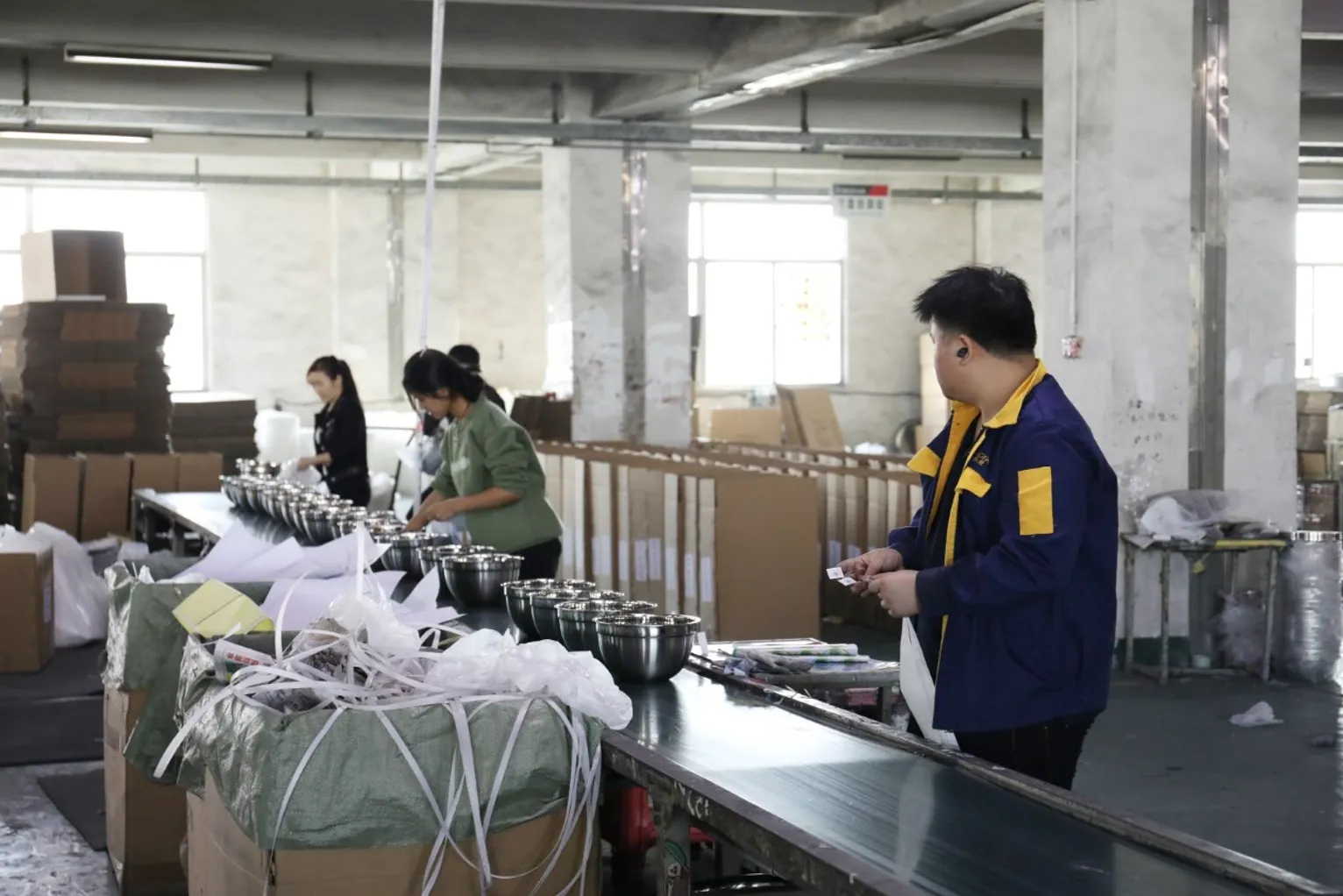
Quality issues can damage a brand reputation quickly.
A reliable kitchenware manufacturer should have inspection procedures covering:
- Raw material inspection
- Production monitoring
- Finished product testing
- Packaging inspection
For B2B buyers, quality consistency matters as much as product design because repeat orders depend on stable performance.
Select the Right Materials to Balance Quality, Performance, and Cost
Material selection plays a critical role in the success of a private label kitchenware product line because materials directly affect product durability, appearance, customer experience, and production cost.
For stainless steel kitchenware, buyers usually evaluate several key factors:
- Corrosion resistance
- Food safety performance
- Heat distribution
- Surface appearance
- Product lifespan
- Manufacturing cost
The most common stainless steel options include:
304 Stainless Steel
304 stainless steel is widely used in premium kitchenware because of its excellent corrosion resistance, durability, and food-contact safety.
It is suitable for:
- Premium cookware
- Food storage containers
- High-end kitchen tools
- Restaurant-grade products
Advantages:
- Excellent rust resistance
- Strong durability
- High consumer recognition
Consideration:
- Higher material cost compared with other grades
201 Stainless Steel
201 stainless steel is often selected for products requiring competitive pricing while maintaining an attractive appearance.
It is commonly used for:
- Budget-friendly kitchen accessories
- Commercial kitchen supplies
- High-volume retail products
Advantages:
- Cost-effective
- Good appearance after polishing
- Suitable for large-scale production
Consideration:
- Lower corrosion resistance compared with 304 stainless steel
Multi-Layer Stainless Steel Construction
For cookware products, multi-layer structures can improve cooking performance.
Common structures include:
- 3-ply stainless steel
- 5-ply stainless steel
- Aluminum core with stainless steel layers
Benefits include:
- Better heat distribution
- Reduced hot spots
- Improved cooking efficiency
According to the U.S. Food and Drug Administration (FDA), materials used in food-contact applications should meet safety requirements to reduce risks associated with food contamination. Therefore, brands should always work with manufacturers that provide proper material documentation and testing reports.
Choosing materials based only on the lowest price can create long-term problems, including customer complaints, higher return rates, and damage to brand reputation.
A professional supplier helps brands balance:
Product quality + target market expectations + production cost.
Develop Samples Before Mass Production
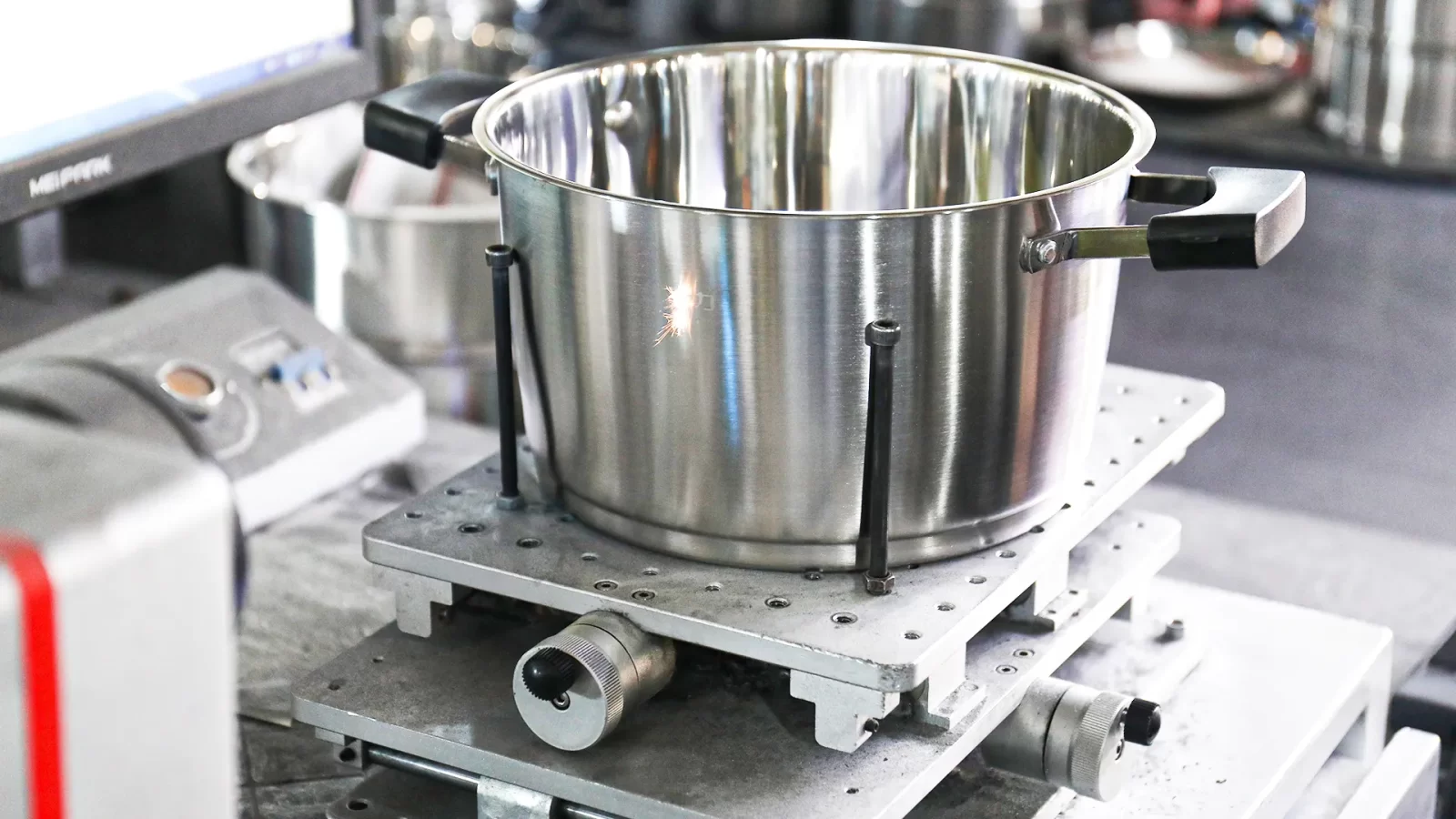
Before launching a private label kitchenware product line, sampling is one of the most important stages.
A common mistake among new brands is moving directly into bulk production without sufficient testing.
Professional product development usually includes:
Concept Review
The manufacturer evaluates:
- Design feasibility
- Manufacturing process
- Estimated cost
- Potential improvements
Prototype Development
Samples allow buyers to check:
- Product size
- Weight
- Appearance
- Functionality
- User experience
Testing and Modification
During this stage, brands can adjust:
- Handle design
- Product thickness
- Surface finishing
- Packaging details
Sample approval reduces production risks and ensures the final products meet market expectations.
For international buyers, this process is especially important because correcting large production issues after shipment can be expensive and time-consuming.
Build Strong Quality Control Standards
Quality control is one of the biggest differences between successful private label brands and ordinary resellers.
When customers purchase branded kitchenware, they expect consistent performance.
A reliable manufacturer should establish quality checks throughout the entire production process.
Incoming Material Inspection
Check:
- Stainless steel grade
- Material thickness
- Supplier certificates
- Surface quality
Production Inspection
Monitor:
- Welding quality
- Assembly accuracy
- Polishing consistency
- Product dimensions
Finished Product Inspection
Evaluate:
- Appearance defects
- Functional performance
- Packaging condition
- Quantity accuracy
A strong QC system helps reduce:
- Customer complaints
- Product returns
- Negative reviews
- Supply chain disruptions
For B2B buyers, manufacturing reliability is not only about receiving products on time — it is about protecting long-term business growth.
Create Packaging and Branding That Supports Your Market
A private label kitchenware product line is not complete without professional branding.
Packaging is often the first physical interaction customers have with your product.
Strong private label packaging should communicate:
- Brand identity
- Product advantages
- Usage instructions
- Quality expectations
Customization options may include:
- Brand logo printing
- Custom color boxes
- Product labels
- Barcode management
- Retail-ready packaging
For distributors and retailers, customized packaging also improves shelf visibility and helps products compete against established brands.
A professional manufacturer should support both product manufacturing and brand presentation.
Pros and Cons of Building a Private Label Kitchenware Product Line
Pros
1. Higher Profit Margins
Private label products allow businesses to control pricing strategies instead of competing only on supplier costs.
2. Stronger Brand Recognition
Unique designs, packaging, and product collections help customers remember your brand.
3. Greater Market Differentiation
Instead of selling identical products available from multiple suppliers, brands can create exclusive collections.
4. Long-Term Business Growth
A successful product line creates opportunities for repeat purchases and category expansion.
Cons
1. Higher Initial Investment
Product development, samples, packaging, and tooling require upfront investment.
2. Longer Development Timeline
Compared with buying ready-made products, customization requires additional planning.
3. More Responsibility for Quality Management
Brand owners must carefully select manufacturers and establish quality standards.
4. Minimum Order Quantity Requirements
Many factories require MOQ commitments, especially for customized products.
However, these challenges can be managed by partnering with an experienced OEM/ODM manufacturer that provides flexible solutions and professional guidance.
FAQ: Building a Private Label Kitchenware Product Line
Q1: What is a private label kitchenware product line?
A private label kitchenware product line is a collection of kitchen products manufactured by a supplier and sold under a brand owner’s name. The brand controls product positioning, packaging, and market strategy while the manufacturer handles production.
Q2: How long does it take to develop a private label kitchenware product line?
The timeline depends on product complexity, customization requirements, and testing processes.
Generally:
- Existing ODM products: approximately 1–3 months
- Customized OEM products: approximately 3–6 months or longer
Factors affecting development time include:
- Tooling requirements
- Sample approval speed
- Material availability
- Production schedule
Q3: What should I look for in a private label kitchenware manufacturer?
A reliable manufacturer should have:
- Proven industry experience
- Strong production capacity
- OEM/ODM capabilities
- Quality control systems
- Custom design support
- Export experience
The right supplier should act as a manufacturing partner rather than only a product provider.
Q4: What kitchenware products are suitable for private labeling?
Popular categories include:
- Stainless steel cookware
- Kitchen utensils
- Food preparation tools
- Restaurant equipment
- Tableware products
- Storage solutions
Brands should select products based on their target customers and sales channels.
Q5: Can a manufacturer help with product design and packaging?
Yes. Experienced OEM/ODM manufacturers can provide:
- Product design support
- Prototype development
- Logo customization
- Packaging solutions
- Production optimization
This allows brands to develop products more efficiently.
Conclusion
Building a competitive private label kitchenware product line requires more than finding a factory with low prices. It requires a manufacturing partner that understands product development, quality standards, customization requirements, and international market expectations.
How Allnice Helps Global Brands Build Successful Kitchenware Collections
Allnice is a trusted kitchenware manufacturer specializing in stainless steel cookware, kitchen tools, tableware, and catering equipment for global importers, wholesalers, and distributors. With experienced OEM/ODM capabilities, Allnice provides comprehensive solutions covering product design, mold development, logo customization, packaging support, and large-scale production.
Through strong manufacturing capabilities, strict quality control processes, and competitive factory-direct pricing, Allnice helps brands create reliable kitchenware collections that meet different market needs.
Whether you are launching a new brand, expanding your product range, or looking for a long-term manufacturing partner, Allnice can help transform your ideas into high-quality, market-ready products.
Contact Allnice today to discuss your private label kitchenware product line project and build a customized solution for your business growth.
Related Products
-

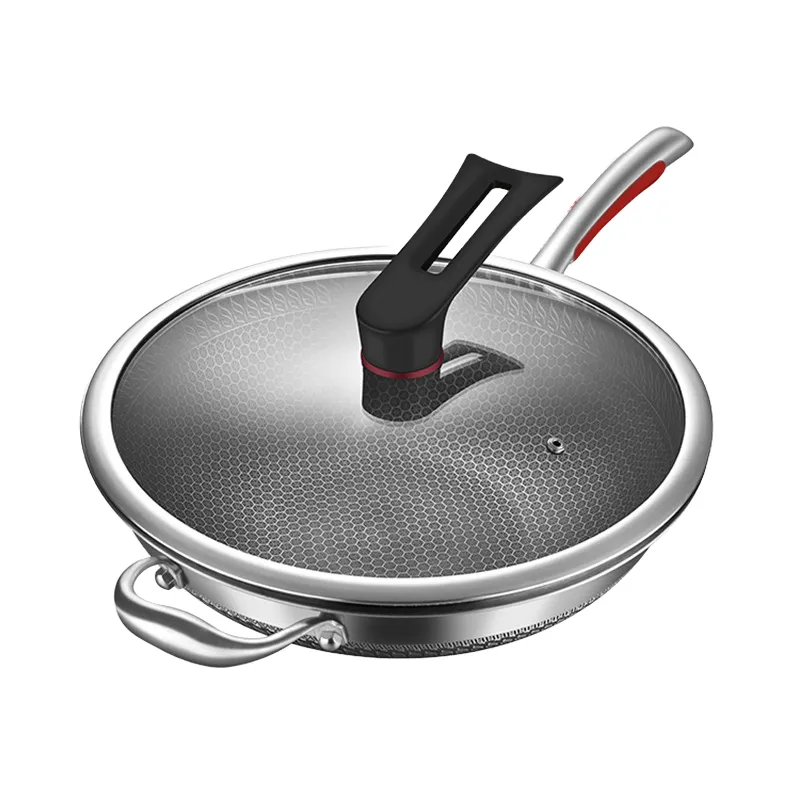
Wholesale Honeycomb Wok with Glass Lid, 304 Stainless Steel Frying Pan Supplier
-

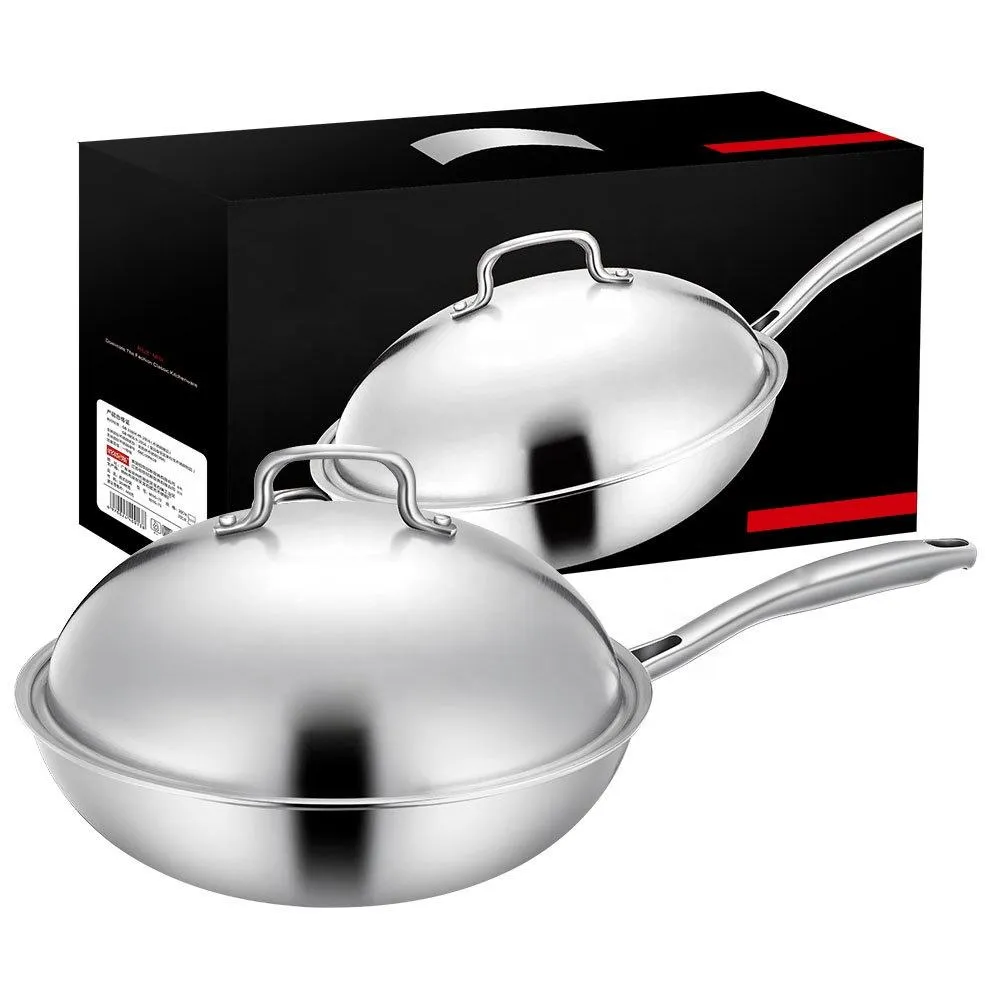
Wholesale 18/8 Stainless Steel Wok Pan with Lid, Non-stick Cookware Manufacturer
-

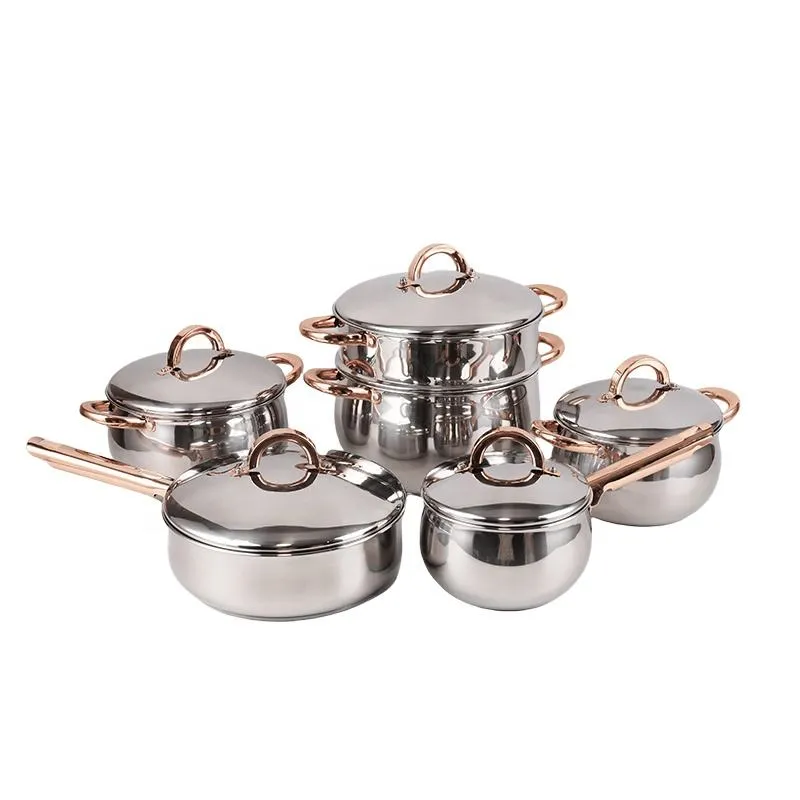
Wholesale 7 Piece Stock Pot Set, Hot Sale Multi-size Aluminum Cooking Pot Set Supplier
-
Bulk Pots and Pans Wholesale 6 Piece Cookware Set Stainless Steel Hot Selling Cooking Pot Set