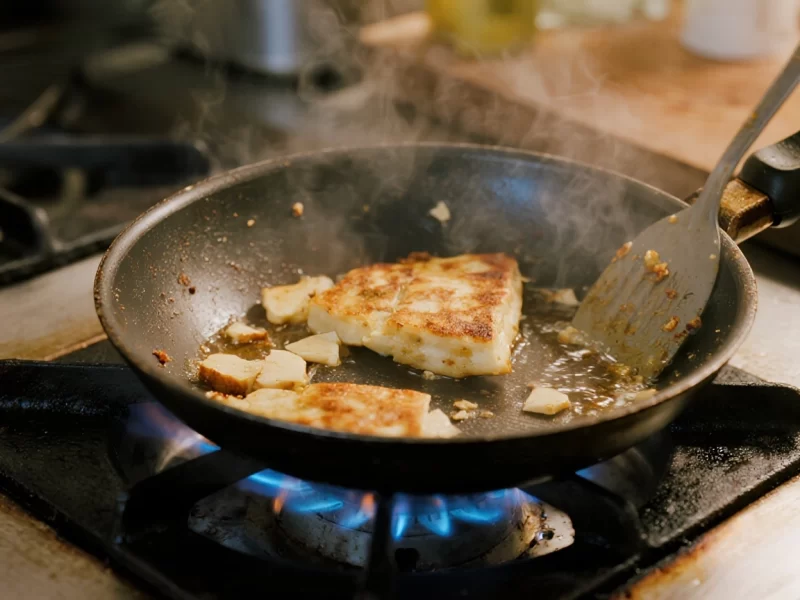
A lot of home cooks have a bit of anxiety about using stainless steel pans. They heard the stories – food sticks, messy cleanups, and cooking evenly can be tricky. Meanwhile, nonstick pans are marketed as the “easy” way to cook. But what most home cooks don’t realize is that stainless steel pans are actually better-performing, longer-lasting, and healthier to cook with overall.
Nonstick coatings may sound convenient, but can scratch, degrade, and expose you to harmful chemicals if overheated. When you factor in the eventual need for replacement every few years, that sounds like a lot more work! But, if you treat a quality stainless steel pan properly, it can last a lifetime – plus, it gives you restaurant-quality results in the kitchen!
Here is everything you need to know to cook like a chef using stainless steel!
How to Prepare Your Stainless Steel Pan?
Initial Cleaning
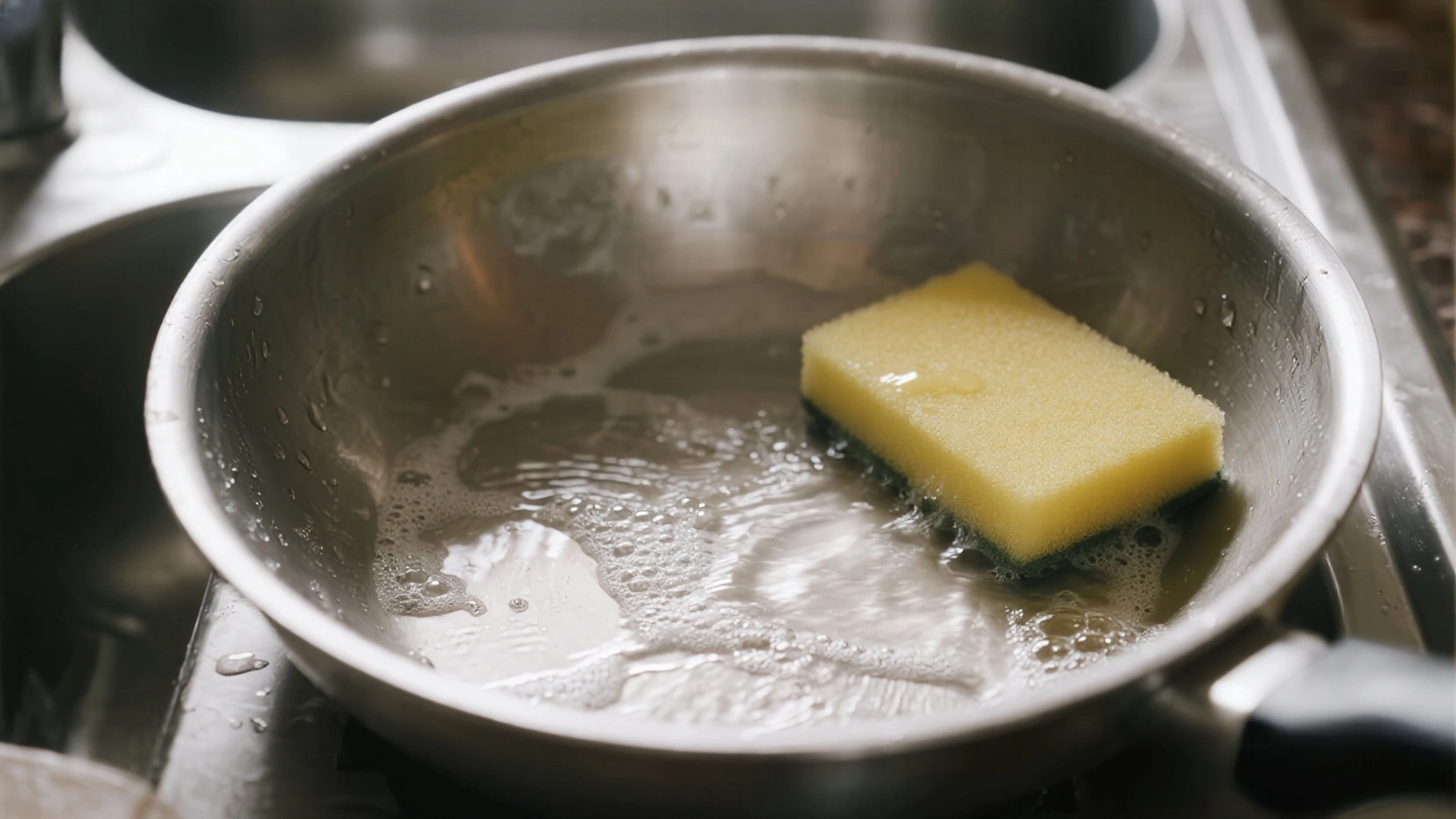
Before cooking with a new stainless steel skillet, wash it with warm, soapy water to remove any possible factory residue or coating. Fill your sink with warm soapy water, add a splash of vinegar and wash thoroughly. Rinse and dry with a kitchen towel or by air drying.
Optional Seasoning
Unlike cast iron, stainless steel does not require seasoning. However, some cooks prefer to “season” a stainless steel pan to achieve an extra-smooth cooking surface. To “season” you simply coat the inside of the dry pan with a very thin layer of an oil containing a high smoke point (grapeseed, avocado, or peanut oil) and heat slowly on the stovetop for around 10 minutes, or put it in the oven for 425 – 450°F for about 1 hour. You will need to allow the pan to completely cool before storing it.
How to Make Stainless Steel Naturally Nonstick
The key is preheating. Place your skillet on medium to medium-high heat for a few minutes. Then drop a few drops of water on the surface to check the level of heat. If the drops sizzle and evaporate right away, it isn’t ready. When the drops form little balls and dance across the pan like mercury, you are ready.
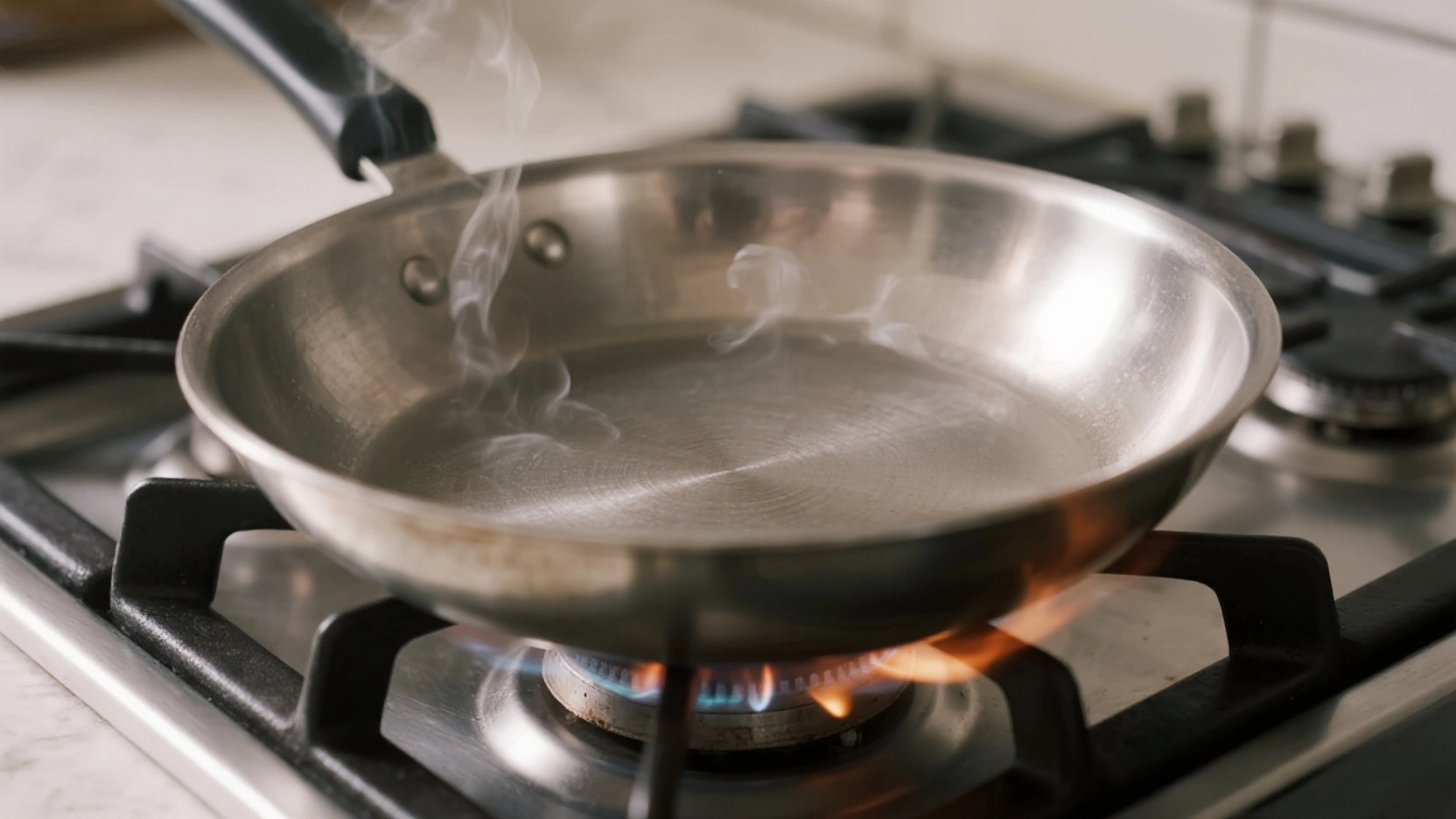
Now add oil or butter. Allow that to heat for a moment, and you will have a natural nonstick surface – perfect for cooking delicate foods such as eggs or fish.
Best Practices for Cooking
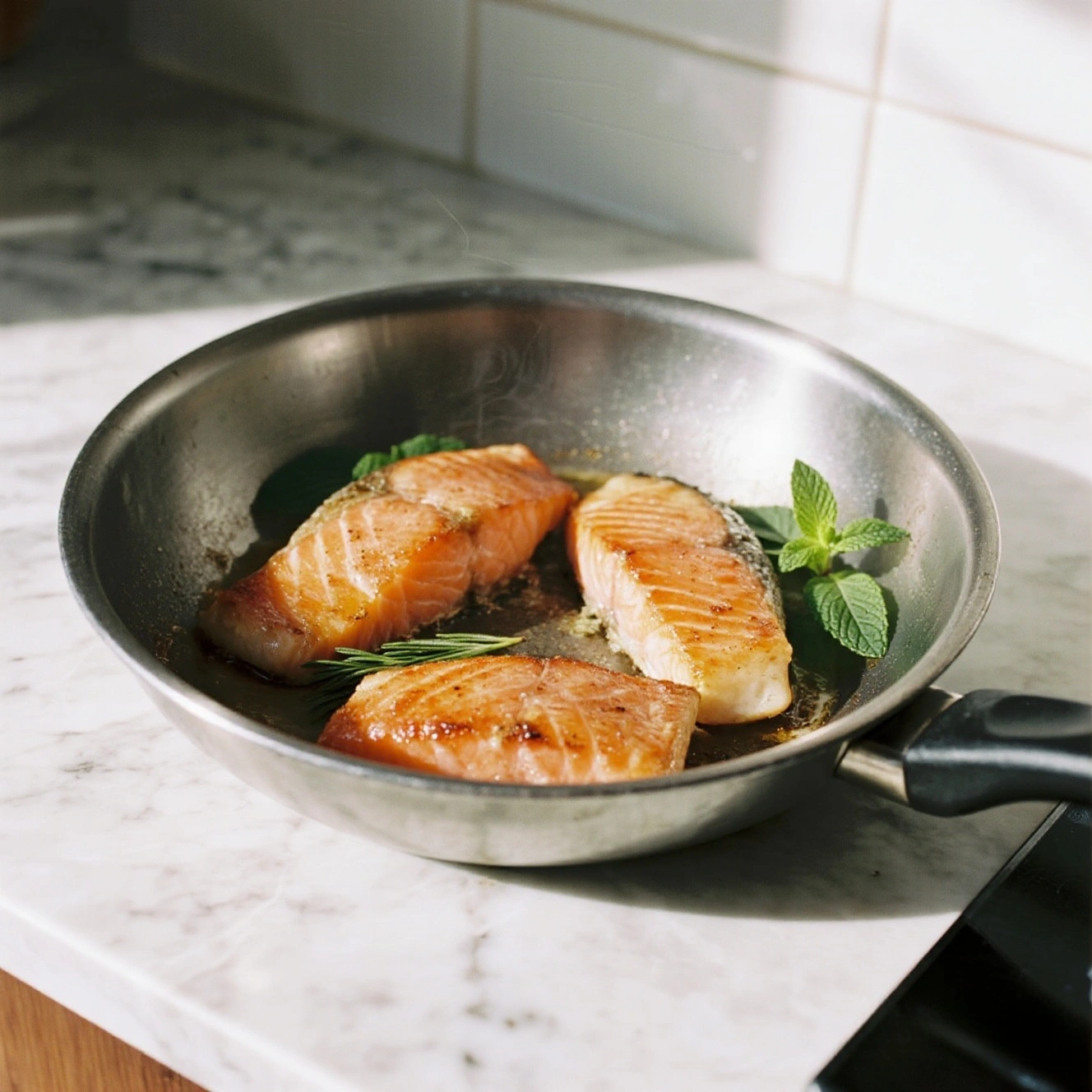
- Bring ingredients to room temperature – Food that is cold will stick, or be unevenly cooked.
- Don’t over-crowd – If too much food is put into the pan at once, it lowers the temperature of the pan which will ruin the sear.
- Allow the food to release on its own – You have to allow the food to release on its own. When the crust forms, the food will release on their own and will flip easily.
Cleaning Your Stainless Steel Pan
One of the biggest myths is that stainless steel is hard to clean. Truth is, if preheated properly, it cleans beautifully.
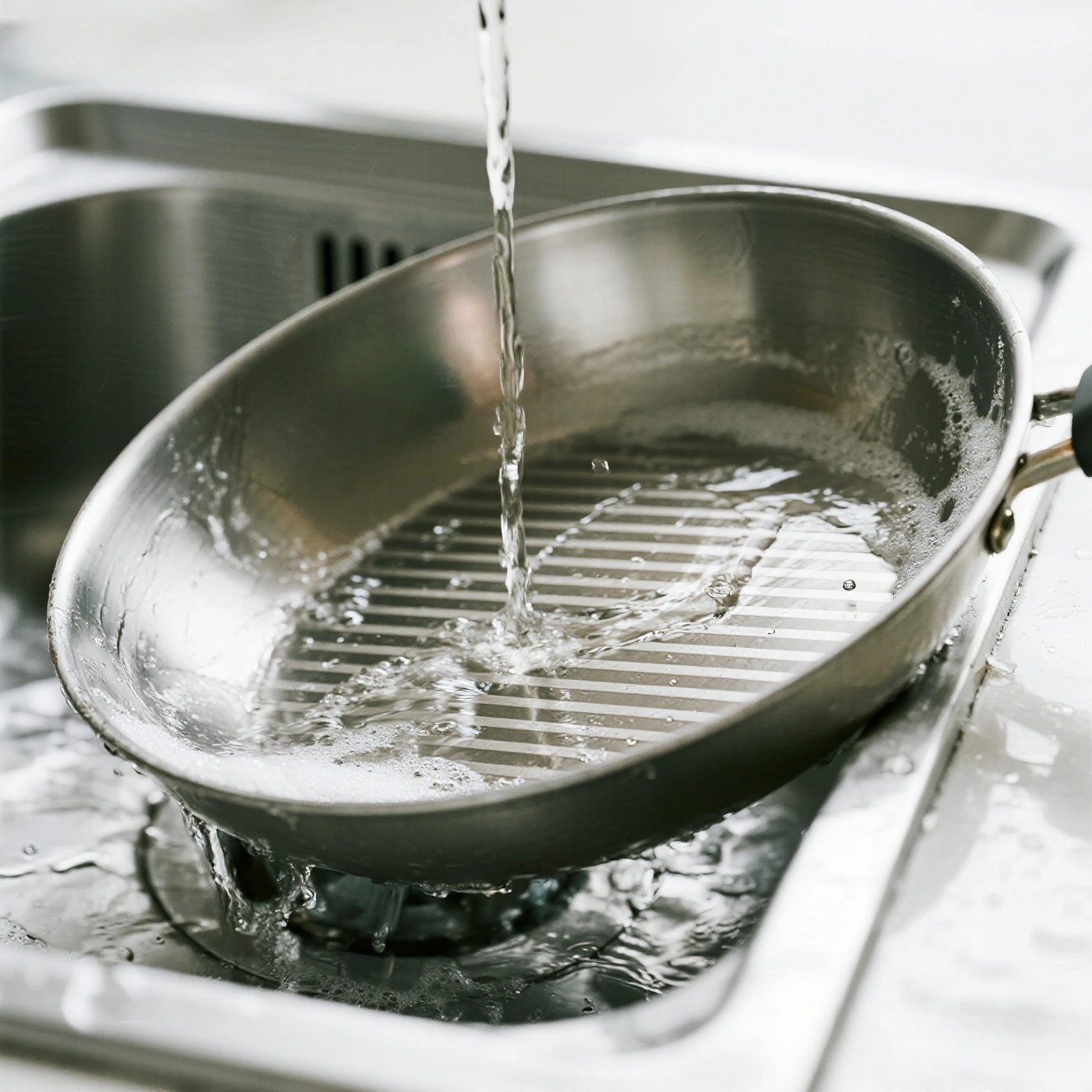
- Always allow your pan to cool before washing. Putting hot pans into water reduces the chance of warping.
- To wash, use warm, soapy water and a soft sponge.
- If there are stubborn bits, soak it first. Do not use steel wool as that will scratch your pan.
- If the food is burnt on, add water and baking soda, bring it to a boil, then scrub the sullying the food with a wooden spatula or sponge.
- To revive your shine, use vinegar, baking soda, or a stainless steel cleaner!
How to Store Your Stainless Steel Cookware
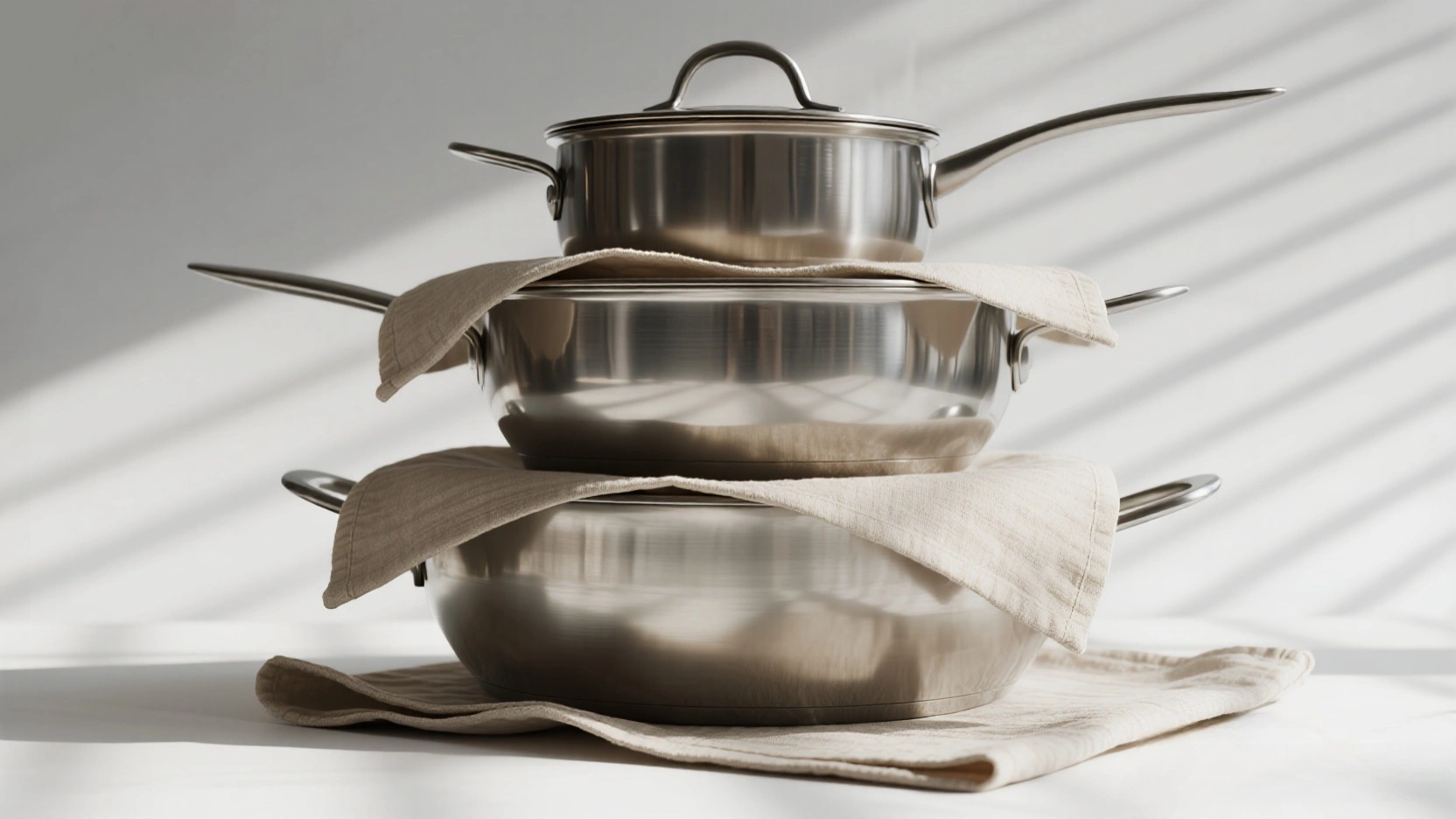
If you stack your pans, make sure to always put a cloth or pan protector between them to avoid scratches. If you can, it is best to always store them separately.
Final Thoughts
A stainless steel skillet is a true multitasker: durable, versatile, and completely safe to use. If you combine the useful tips above, you can use a stainless steel skillet for everything from searing steaks to sautéing veggies to frying eggs without fear. Unlike nonstick skillets that wear out, stainless steel skillets improve with age. Buy one, take care of it, and it will give you decades of cooking without a flaw.