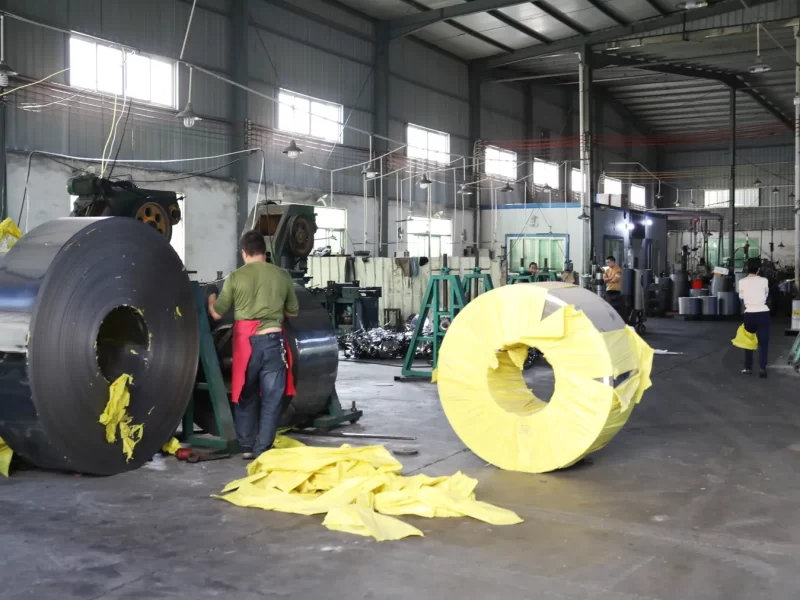
Private label kitchenware is no longer “logo on a box.” Successful brands buy engineering, repeatable quality, and supply-chain muscle — not just product units. The right kitchenware factory becomes the operational backbone of a private label program: product development, tooling, quality control, packaging, and logistics.
Allnice, a wholesale kitchenware manufacturer, shares a pragmatic guide for brand owners and procurement teams who need to understand what a kitchenware factory must deliver to make private-label cookware reliably sellable.
Kitchenware Factory is A Partner Mindset
Most failures begin when the buyer treats the supplier as a commodity. A commercial kitchenware factory is a technical partner. They support the private label through:
- Product feasibility (materials, thickness, weight)
- Manufacturability (tooling, cycle times, yield)
- Cost engineering (BOM, secondary operations)
- Scale planning (pilot → mass production)
Define channel and price band first (e-commerce, retail, hospitality). That determines acceptable materials, finish, and packaging — and therefore which factories qualify.
Product Development: the Factory Does More than “Make Parts.”
Un compétent kitchenware factory offers:
- Engineering adjustments: optimize wall thickness, handle reinforcement, and lid fit for durability and perceived value.
- Prototype & iteration: rapid sample cycles, physical fit checks, and functional test runs (thermal, induction, dishwasher).
- Tooling development: mold/die ownership and reasonable amortization plans so you can scale without surprises.
Ask the factory for CAD drawings, weight targets, and a documented prototype plan before any purchase orders.
Differentiation for Private Label Kitchenware: Finishing, Marking, and Packaging
Brand differentiation happens in the details:
- Finishes: mirror, satin, brushed, PVD colors — each requires specific line settings and QC checks.
- Marking: laser engraving, embossing, or silk-screen — check permanence and effect on corrosion resistance.
- Emballage : retail box, inner tray, user manual localization, and UPC printing — factories can design and produce retail-ready packs that reduce downstream costs.
A factory, like Allnice, that integrates finishing, marking, and packaging saves time and avoids handoffs that create inconsistencies.
Quality Systems that Protect Your Private Label Reputation
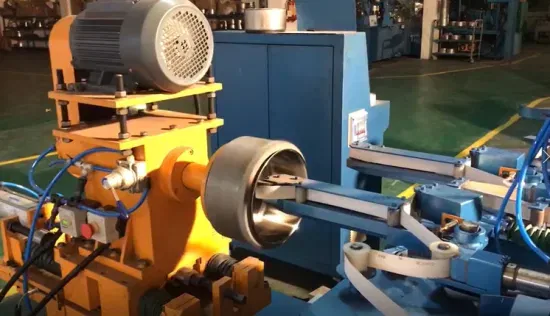
Private label risk is concentrated in inconsistent quality. A qualified kitchenware factory operates a multi-stage QC regime:
- IQC — raw material CoA, incoming inspection (thickness, composition).
- IPQC — in-process checks (forming tolerances, coating profile, welding integrity).
- FQC — final checks (functional tests, induction flatness, packaging audit).
Contractually require sampling plans, production records, and photographic evidence for each shipment. Insist on a golden sample and FAI (First Article Inspection) before mass runs.
Compliance and Testing Support
Regulatory failure kills listings and racks up returns. The right factory helps you pass:
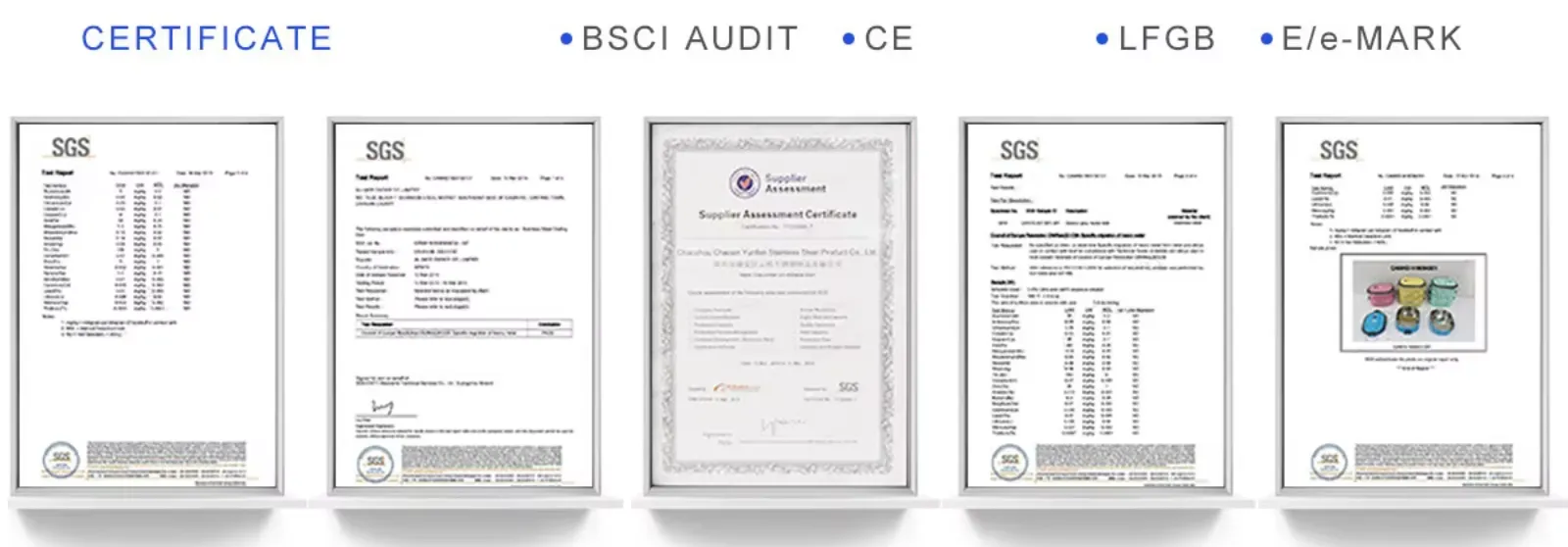
- food-contact migration and extractables testing (market dependent)
- mechanical testing (lid cycles, handle torque, drop tests)
- specific program needs (LFGB, FDA, CE, or local market standards)
Obtain third-party lab reports linked to sample IDs; ensure the factory will reproduce the tested batch traceably.
Small Batch to Scale: MOQ, Pilot Runs, and Tooling Economics
A pragmatic kitchenware factory offers a clear path from small pilots to full production:
- Pilot runs (100–500 units) with documented acceptance criteria.
- Tooling amortization models so that the unit price falls predictably as volumes grow.
- Flexible MOQs for existing molds versus higher minimums for new tooling.
Negotiate a pilot to scale schedule and volume-based price tiers in the contract.
E-Commerce and Amazon Support
Many private label kitchenware brands sell through online platforms.
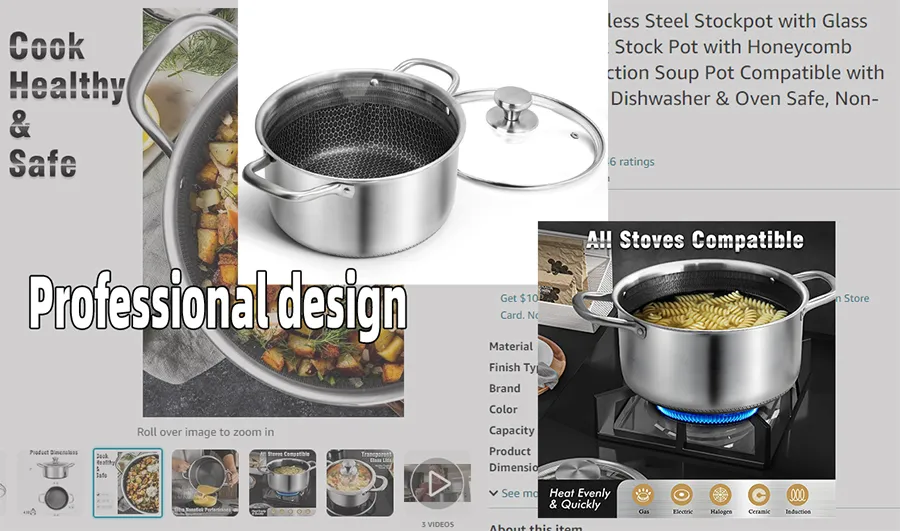
To support e-commerce sellers, some kitchenware factories’ Amazon services, like Allnice, offer:
- Préparation pour le service FBA d'Amazon
- Product photography and videos
- Ready-to-ship inventory
- Small-batch production for new product launches
These services help online sellers launch products faster.
Commercial Terms & Contractual Protections
Convert factory capabilities into enforceable obligations:
- Include a spec annex with tolerances, surface finish, weight, and test thresholds.
- Require material CoAs and periodic XRF/spectrometer verification.
- Mandate pilot runs and FAI before mass production.
- Define tooling ownership, amortization, and lead times for spare parts.
- Add remediation SLAs for non-conforming lots and clear penalties for late delivery.
Contracts are leverage. Use them to translate operational promises into measurable outcomes.
Scorecard for Factory Selection
Score prospective factories on these critical dimensions:
- Engineering capability & prototype speed
- In-house tooling and finishing capacity
- Documented QC processes and sample records
- Compliance testing and lab access
- Packaging and e-commerce readiness
- Logistics experience and export performance
- Financial terms: MOQ, tooling cost, lead time predictability
Shortlist only factories that score highly on reproducibility and logistics, not just price.
Conclusion
Private label success is iterative. A kitchenware factory that becomes a partner will lower your total cost of ownership by improving yield, reducing returns, and speeding new product launches. Treat the relationship strategically: share forecasts, co-fund tooling when sensible, run joint product sprints, and institute quarterly operational reviews.
If you want a private label kitchenware line that scales, stop buying commodity products and start qualifying a kitchenware factory as a technical partner. Require engineering proof, enforce pilot runs, lock quality gates into contracts, and demand end-to-end supply support. Do this, and your brand won’t just have a logo — it will have a repeatable product system that customers trust.
À propos d'Allnice
Allnice est un wholesale kitchenware manufacturer serving global B2B brands with integrated production and supply-chain support. With in-house control over tooling, forming, finishing, and packaging, Allnice ensures stable product performance and consistent batch quality across production runs.
Allnice focuses on engineered cookware solutions designed for durability, compliance, and scalable manufacturing. For brand owners, distributors, and e-commerce sellers, we provide flexible OEM kitchenware and ODM kitchenware services, including product development, custom finishes, branding, and retail-ready packaging, enabling efficient private-label programs from pilot runs to mass production.