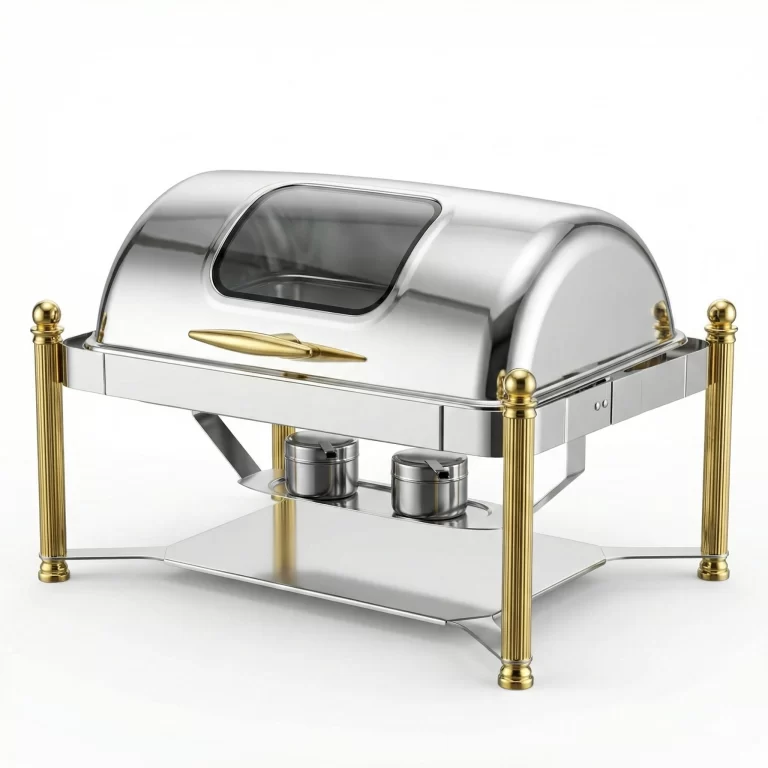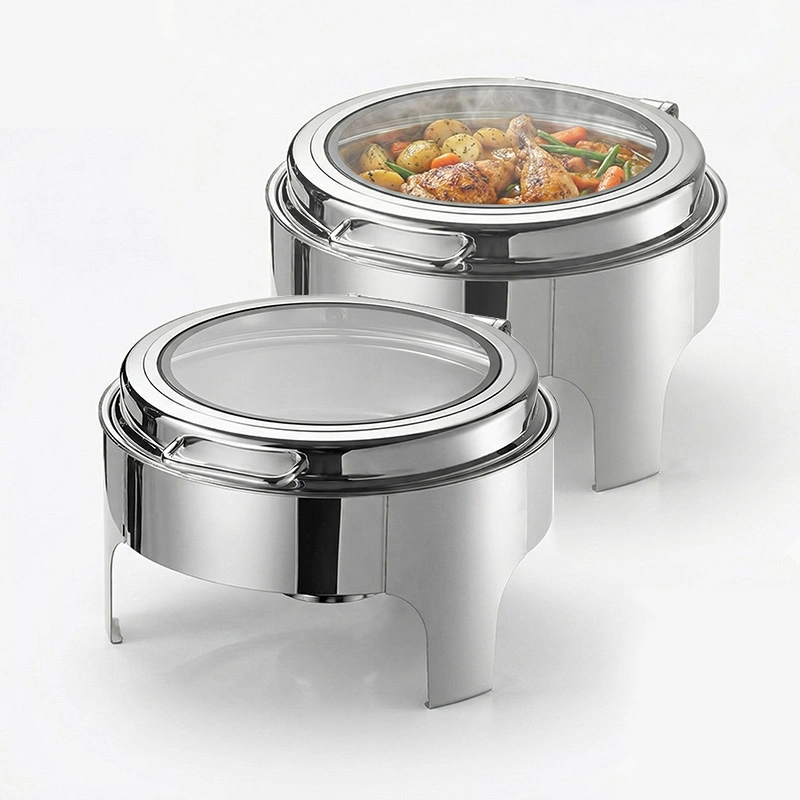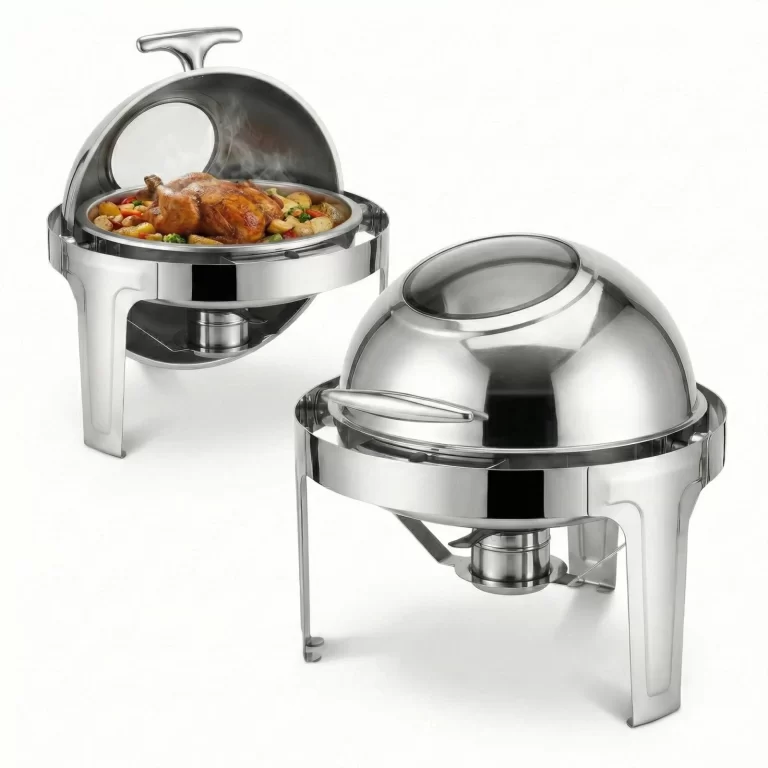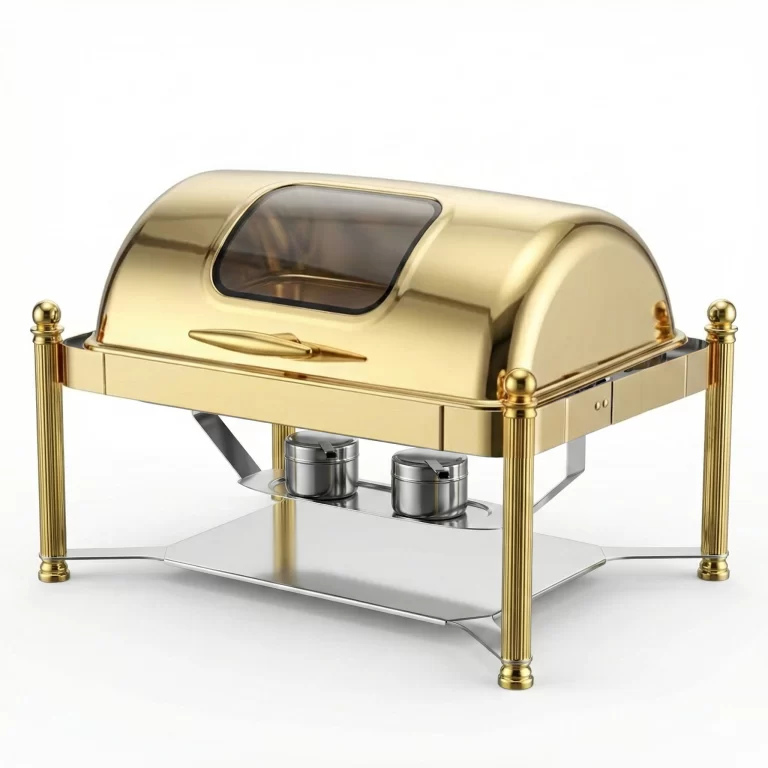
To inspect chafing dishes before shipment effectively, buyers should verify material specifications, welding quality, surface finish, lid operation, fuel holder performance, dimensional accuracy, packaging, and product consistency before final payment. A thorough pre-shipment inspection minimizes returns, protects your brand reputation, and reduces costly after-sales issues.
Allnice has been manufacturing stainless steel cookware, cutlery, and catering equipment for importers, wholesalers, and distributors worldwide. As an experienced OEM/ODM manufacturer, we help customers reduce procurement risks through strict quality control, customized production, and comprehensive pre-shipment inspections.
Why Pre-Shipment Inspection Is Essential
A pre-shipment inspection is the buyer’s final opportunity to verify product quality before goods are loaded into containers.
An effective inspection helps you:
- Reduce product returns
- Protect brand reputation
- Avoid costly rework
- Confirm production consistency
- Verify packaging quality
- Ensure contract compliance
Compared with handling claims after delivery, investing in inspection is far more cost-effective.
So überprüfen Sie Chafing Dishes vor dem Versand
For importers, wholesalers, hotel suppliers, catering distributors, and private-label brands, conducting a thorough inspection before shipment is one of the most effective ways to reduce quality risks.
Many buyers focus on factory audits and production schedules but overlook the final inspection. Unfortunately, even well-manufactured products can suffer from assembly defects, cosmetic issues, or packaging problems if they are not checked before leaving the factory.
Knowing how to inspect chafing dishes correctly helps ensure that the products delivered to your warehouse meet customer expectations while avoiding expensive returns, complaints, and warranty claims.
This guide provides a practical inspection checklist based on real manufacturing and sourcing experience.
1. Verify Stainless Steel Material Specifications
The first step when you inspect chafing dishes is confirming the material specifications.
Ask the manufacturer to verify:
- Stainless steel grade (201, 304, or other specified grade)
- Materialstärke
- Food-contact surfaces
- Magnetic properties (if applicable)
Request supporting documentation such as material certificates when required.
Different stainless steel grades offer different levels of corrosion resistance, durability, and cost, making material verification an essential part of quality inspection.
2. Check Overall Appearance
Visual quality strongly influences customer satisfaction.
Inspect every product for:
- Surface scratches
- Beulen
- Polishing defects
- Discoloration
- Fingerprints
- Scharfe Kanten
- Uneven finishing
High-end catering equipment should present a clean, uniform appearance with consistent polishing across all visible surfaces.
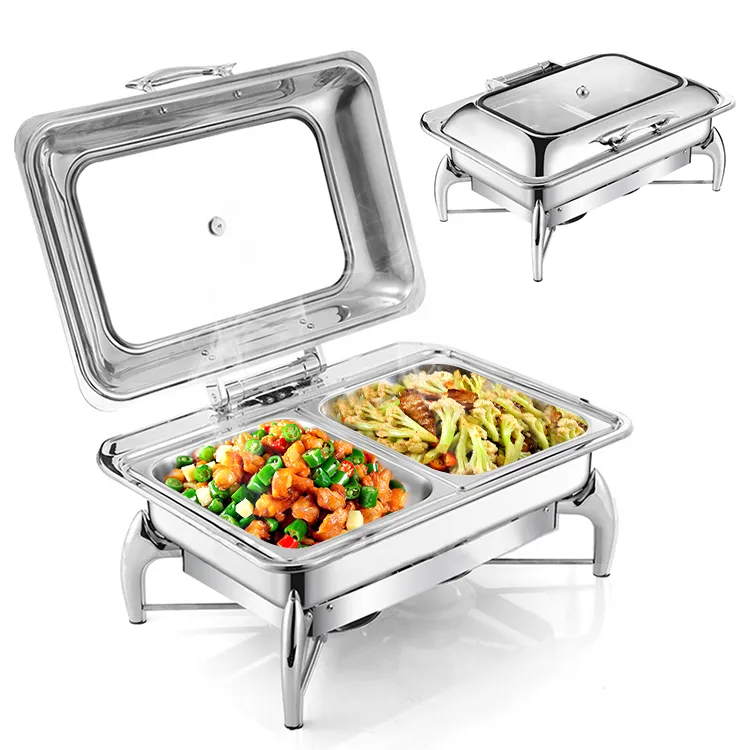
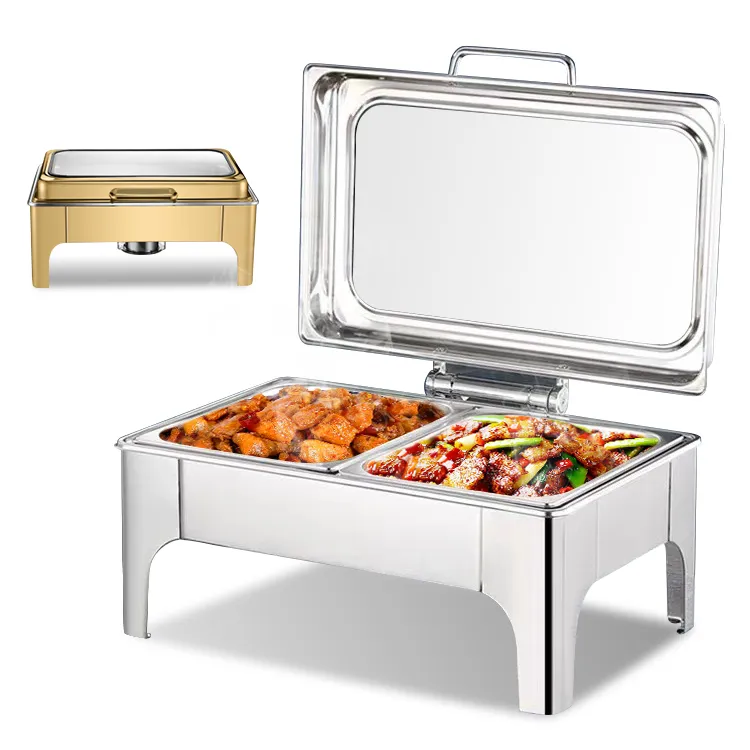
3. Inspect Welding Quality
Poor welding is one of the most common quality issues.
When you inspect chafing dishes, carefully examine:
- Handle welds
- Leg connections
- Frame joints
- Lid hinge welds
Achten Sie auf:
- Smooth weld beads
- No cracks
- No gaps
- No excessive grinding
- Strong structural integrity
Weak welding can affect durability and safety during commercial use.
4. Test Lid Operation

The lid is one of the most frequently used components.
Check whether the lid:
- Opens smoothly
- Closes securely
- Remains stable during use
- Aligns correctly with the food pan
- Operates quietly
If using hydraulic or slow-closing lids, verify consistent movement without sticking or excessive resistance.
5. Verify Food Pan and Water Pan Fit
Proper fit between components improves heat retention and user experience.
Inspect:
- Food pan dimensions
- Water pan dimensions
- Gap consistency
- Stability after assembly
Loose-fitting components may reduce heating efficiency and create an unprofessional appearance.
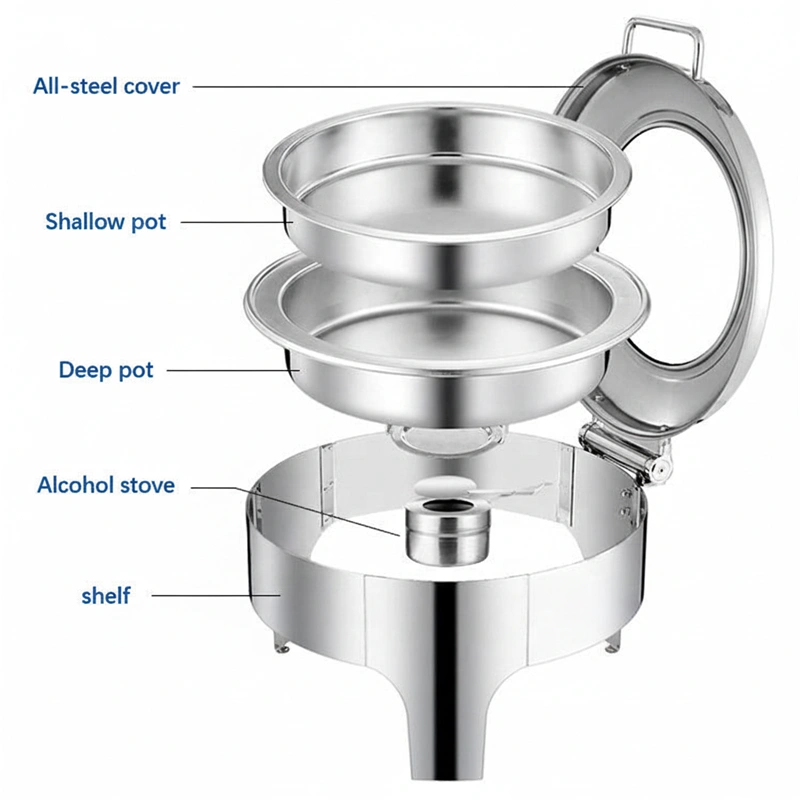
6. Inspect Fuel Holders or Heating Systems
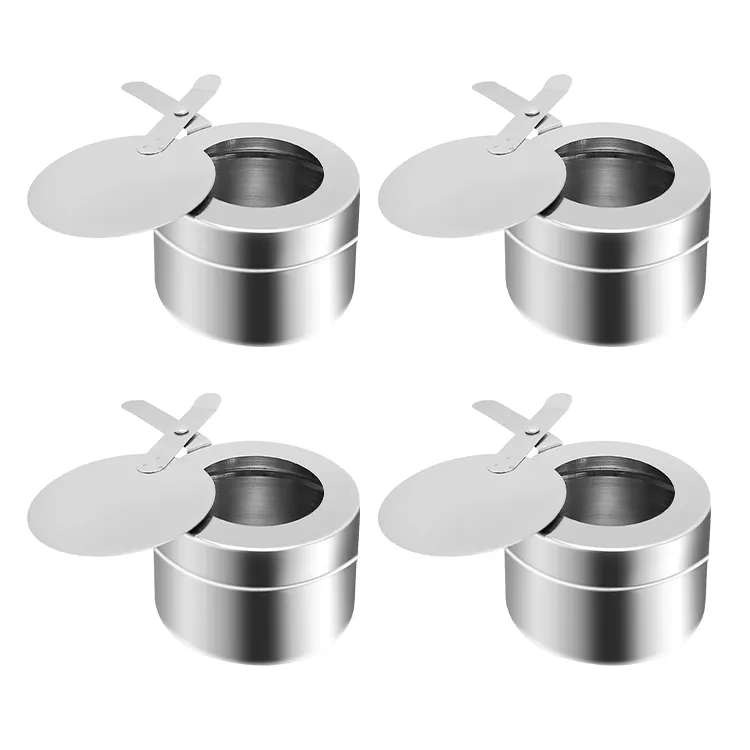
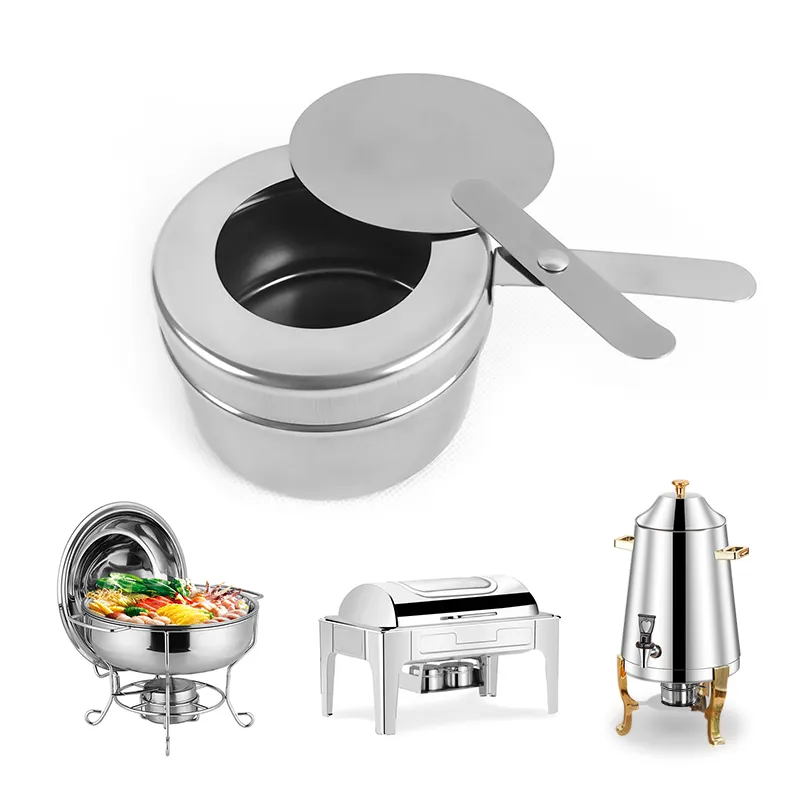
Depending on product design, inspect:
For fuel models:
- Fuel holder dimensions
- Holder stability
- Fuel cup positioning
For electric models:
- Heating element installation
- Temperaturkontrolle
- Power cord quality
- Electrical safety markings
Every heating component should operate safely and consistently.
7. Check Moving Parts
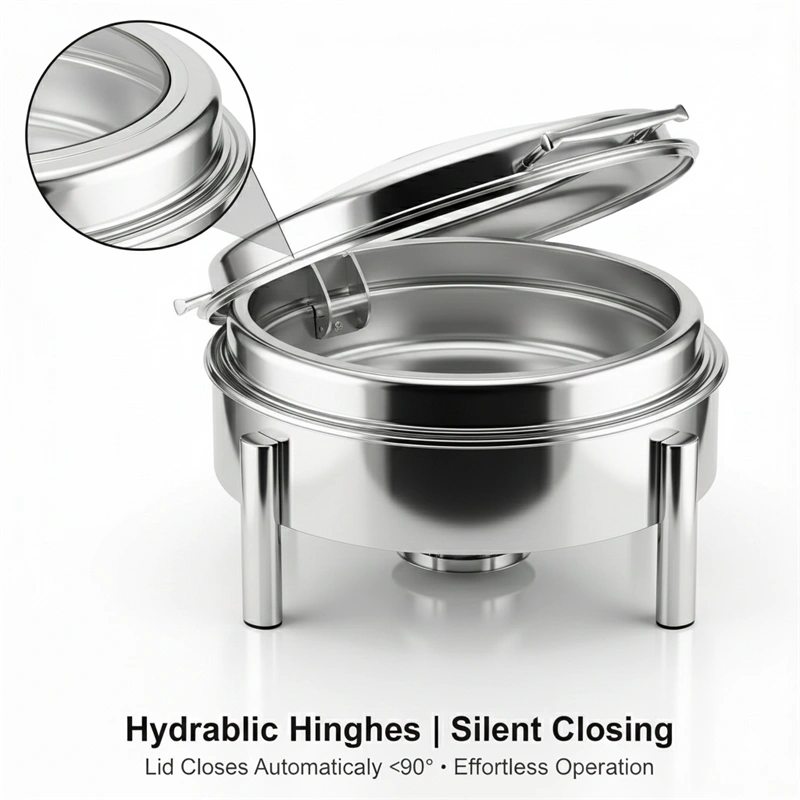
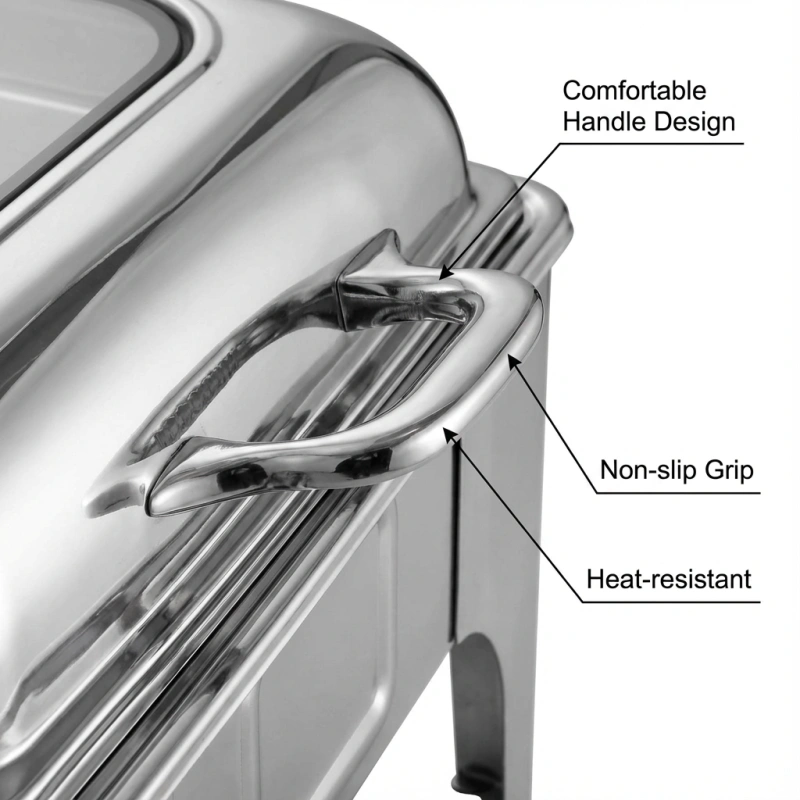
Moving components deserve additional attention.
Inspect:
- Hinges
- Griffe
- Knobs
- Locks
- Folding legs (if applicable)
Repeated opening and closing tests help identify loose fittings before shipment.
8. Confirm Dimensional Accuracy
Measure critical dimensions including:
- Overall length
- Width
- Height
- Pan depth
- Lid dimensions
Accurate dimensions ensure compatibility with catering equipment and replacement accessories.
Random sampling from multiple cartons provides a better assessment of production consistency.
9. Evaluate Surface Finish
Surface treatment directly affects perceived quality.
Zu den gängigen Oberflächen gehören:
- Hochglanzpolierung
- Satinierte Oberfläche
- Gebürstete Oberfläche
A quality finish should be:
- Uniform
- Free from polishing marks
- Leicht zu reinigen
- Resistant to fingerprints
Inconsistent polishing often indicates unstable production processes.
10. Inspect Packaging Before Shipment
Even perfect products may arrive damaged if packaging is inadequate.
Packaging inspection should include:
- Protective foam
- Poly bags
- Carton strength
- Corner protection
- Drop resistance
- Shipping labels
- Barcode accuracy
Proper packaging minimizes transportation damage during international shipping.
Why Two Similar Chafing Dishes May Have Different Quality
Many buyers compare products based only on appearance.
However, two chafing dishes with nearly identical designs may perform very differently in commercial use.
The differences often result from hidden manufacturing details.
Material Consistency
Stable raw material sourcing improves corrosion resistance and durability.
Precision Manufacturing
Advanced stamping and forming equipment produce better dimensional consistency.
Welding Technology
Experienced welding technicians create stronger structural joints.
Oberflächenbehandlung
Professional polishing creates smoother, more durable finishes.
Quality Management
Manufacturers with standardized inspection procedures produce more consistent products batch after batch.
These invisible factors often determine product lifespan and customer satisfaction.
How to Evaluate a Chafing Dish Manufacturer
Learning to inspect chafing dishes also means evaluating the manufacturer behind them.
Before placing large orders, consider the following checklist.
| Bewertungsbereich | What Buyers Should Verify |
|---|---|
| Erfahrung in der Fertigung | Years in stainless steel catering equipment production |
| OEM/ODM Capability | Logo, mold development, packaging customization |
| Production Equipment | Stamping, polishing, welding, assembly lines |
| Qualitätskontrolle | In-process inspection and final inspection |
| Certifications | ISO quality management and food-contact compliance |
| Erfahrung im Exportbereich | Main export markets and packaging standards |
| Communication | Technical support and response efficiency |
| Delivery Performance | Production capacity and on-time shipment history |
Professional suppliers provide transparent production processes, consistent documentation, and responsive after-sales support.
Pros and Cons of Pre-Shipment Inspection
Profis
Reduces Product Returns
Inspection identifies defects before products leave the factory.
Protects Brand Reputation
Consistent quality improves customer satisfaction.
Improves Supplier Accountability
Inspection reports encourage manufacturers to maintain higher quality standards.
Reduces Hidden Costs
Preventing defects before shipment is generally less expensive than resolving claims after delivery.
Nachteile
Additional Inspection Costs
Third-party inspections increase procurement expenses.
Longer Lead Time
Scheduling inspections may slightly delay shipment.
Sampling Limitations
Random inspections cannot examine every individual product.
FAQ
Q1: Why should buyers inspect chafing dishes before shipment?
When you inspect chafing dishes before shipment, it helps identify manufacturing defects, packaging issues, and specification deviations before products are exported, reducing costly returns and warranty claims.
Q2: What is the most important item to inspect?
Material specifications, welding quality, lid functionality, surface finish, and packaging are among the most critical inspection points.
Q3: Should buyers hire third-party inspection companies?
For large or first-time orders, independent inspections provide an objective assessment and help reduce procurement risks.
Q4:How many units should be selected when you inspect chafing dishes?
Most inspections follow internationally accepted sampling methods, selecting random units from finished production lots rather than inspecting every product.
Q5: Can OEM products follow the same inspection checklist?
Yes. Customized products should follow the same inspection principles while adding checks for logo placement, packaging artwork, customized accessories, and branding requirements.
Schlussfolgerung
Knowing how to inspect chafing dishes before shipment is one of the smartest investments an importer or distributor can make. A structured inspection process covering materials, welding, surface finish, functionality, dimensions, and packaging significantly reduces quality risks and ensures products meet customer expectations.
More importantly, successful sourcing depends not only on inspecting finished products but also on choosing a manufacturer with stable production processes, strong quality management, and proven OEM/ODM capabilities. By combining careful supplier evaluation with thorough pre-shipment inspections, buyers can lower total procurement costs, strengthen brand reputation, and build long-term business success.
Partner with Allnice for Reliable OEM Chafing Dish Manufacturing
Seit 1999, Allnice ist seit jeher ein bewährter Hersteller von stainless steel cookware, cutlery, and catering equipment, serving importers, wholesalers, distributors, and hospitality brands worldwide. Our integrated production system covers every stage—from raw material processing and mold development to polishing, assembly, quality inspection, and export packaging.
Als erfahrener OEM/ODM manufacturer, we offer customized product development, private-label branding, logo engraving, packaging design, and flexible manufacturing solutions tailored to your market. We rigorously inspect chafing dishes at every stage of production to ensure consistent performance, attractive finishes, and reliable durability.
Whether you’re launching a new catering equipment line or expanding your existing product portfolio, Allnice is ready to become your long-term manufacturing partner.
Kontakt Allnice today to discuss your OEM/ODM project, request samples, and discover how our manufacturing expertise can help your business deliver premium Chafing Dishes aus Edelstahl with confidence.