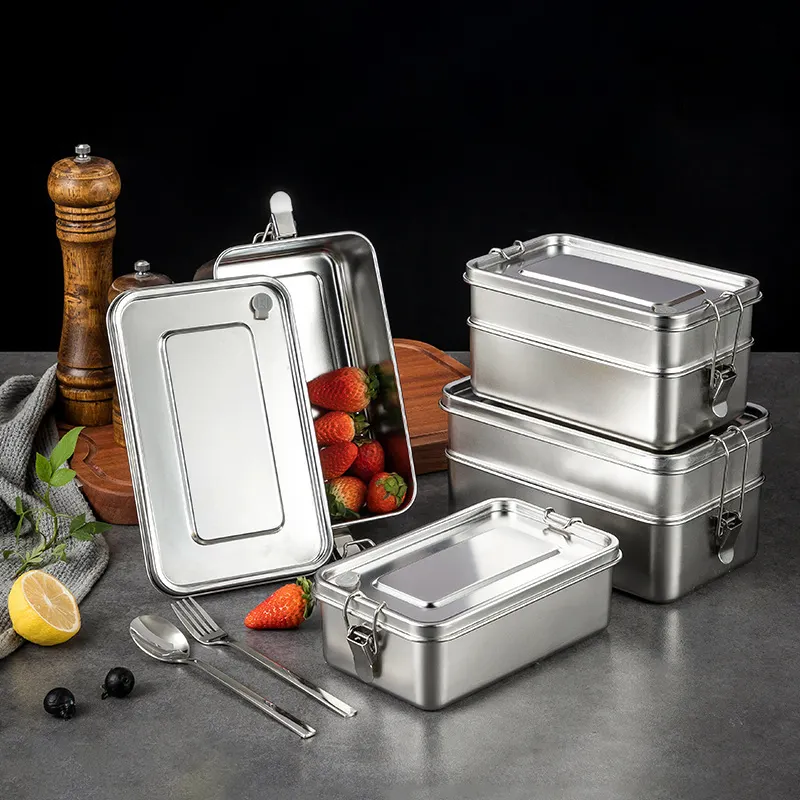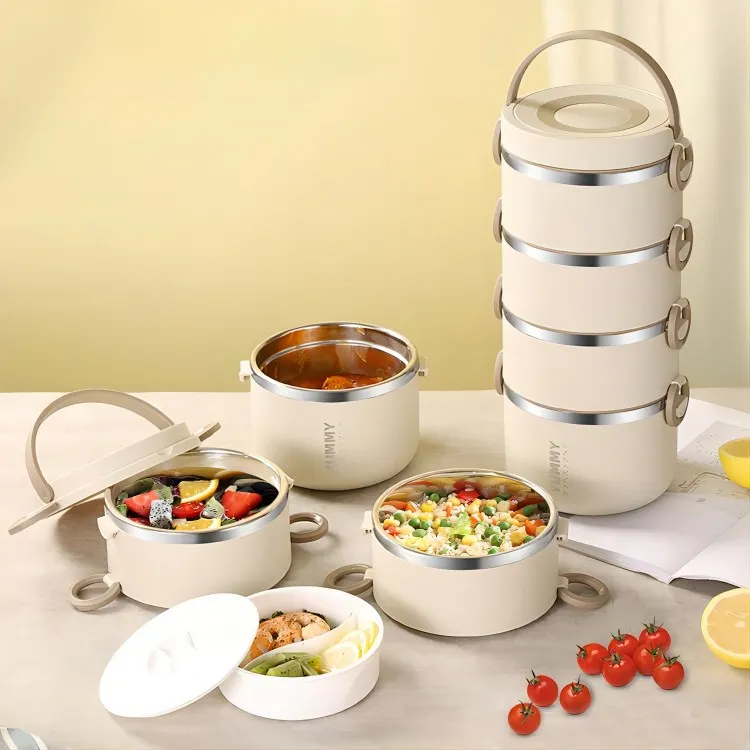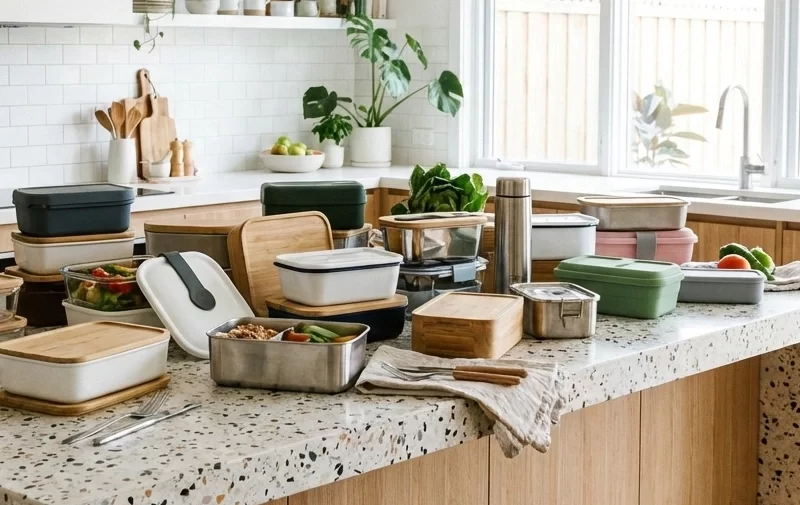
When selecting the best lunch box, the materials that compose it are only one of several important factors to consider. Each material has specific differences in regards to food safety, heating methods, longevity between uses, and ease of cleaning.
Truth is, there’s no one-size-fits-all answer. It really comes down to what suits your routine best. So let’s break it down and find your perfect match.
Common Lunch Box Materials
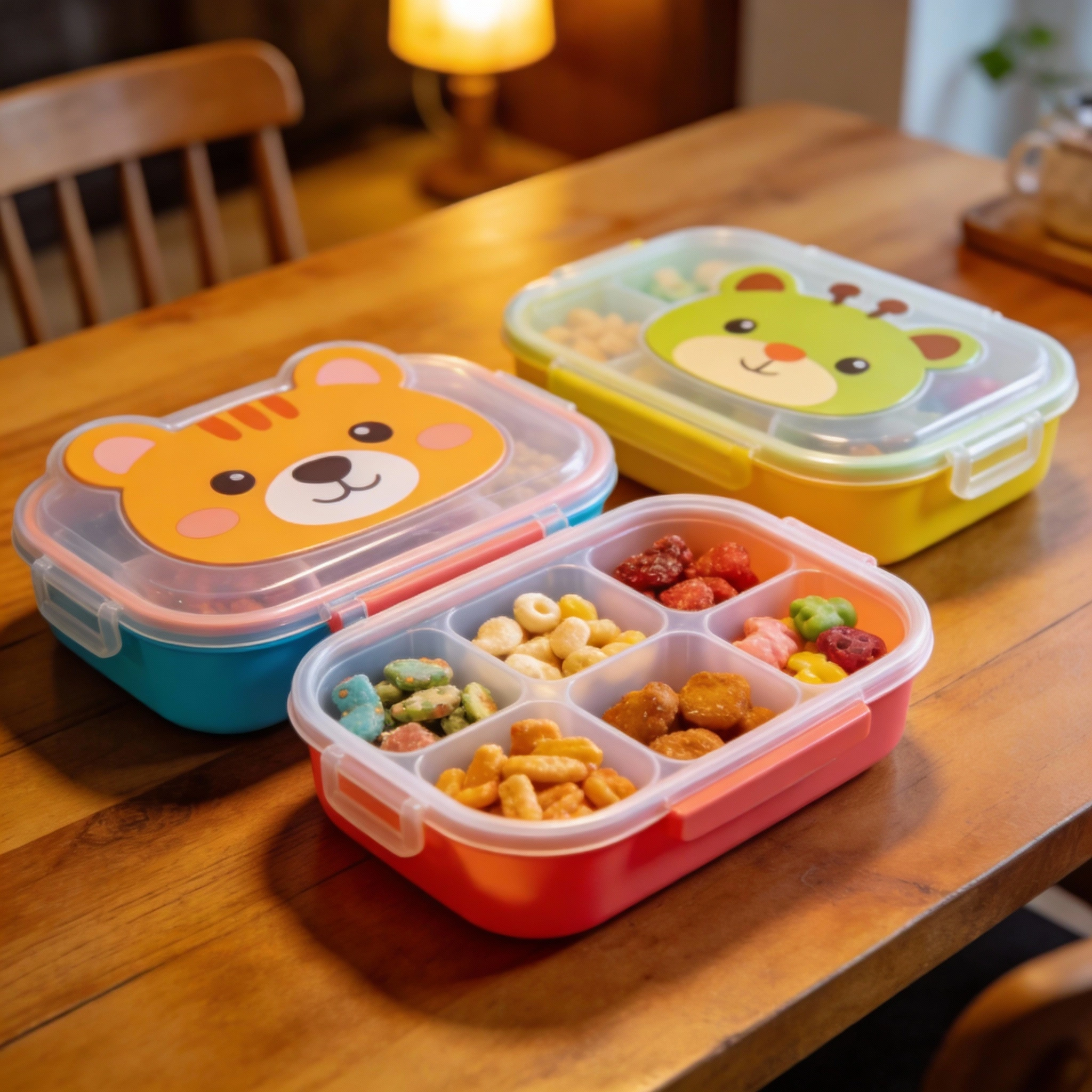
Plastic (PP – Polypropylene)
Lightweight, cost-effective, and portable. Ideal for everyday or child use.
Best Use: Portability and Cost-Effectiveness.
Note: Prioritize using certified Food Grade Polypropylene material, and be sure to check for microwave/dishwasher compatibility.
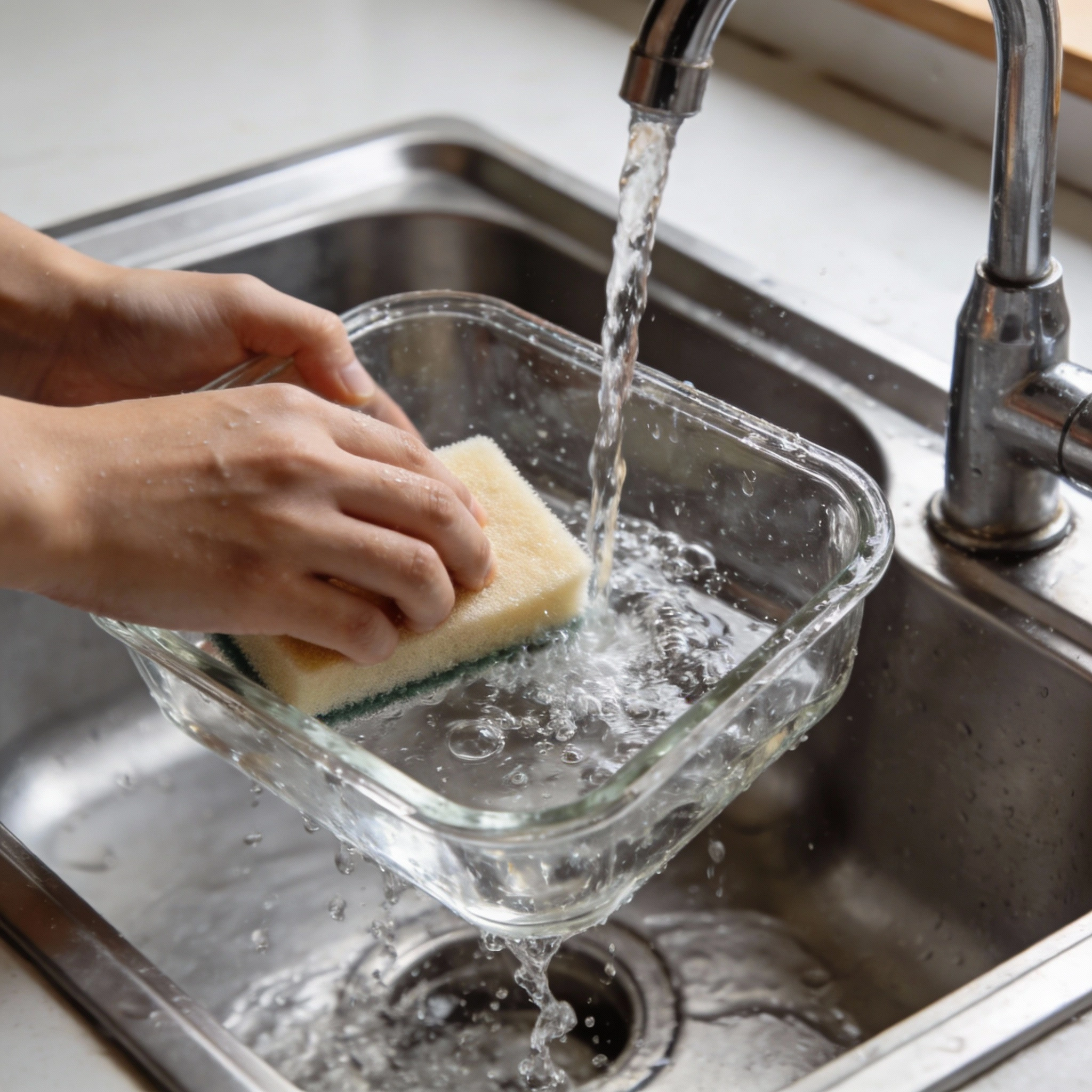
Glass
Easily cleaned, do not absorb odors and retain heat; therefore, many prefer using glass because it will not hold on to stains or smells like some other types of materials.
Best Use: Meal preparation/Reheating
Note: Glass can be heavy or break easily when dropped.
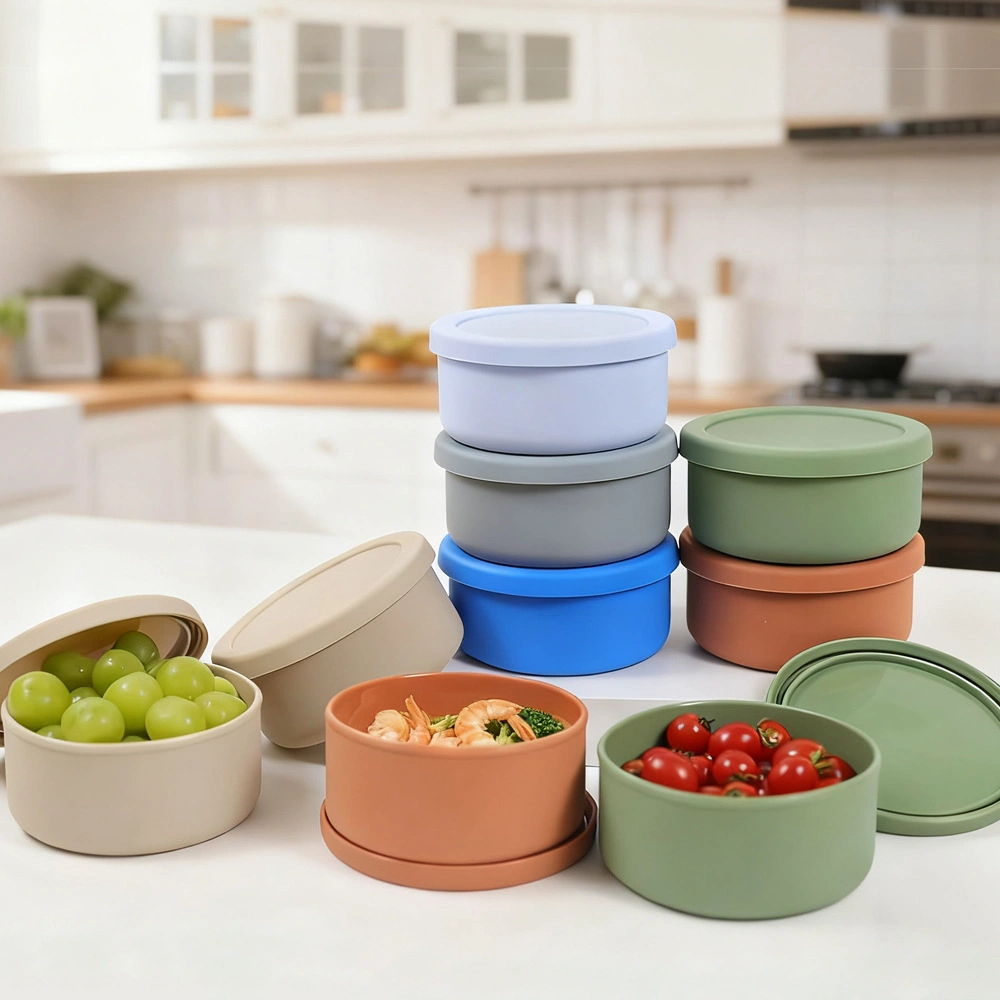
Silicone
Saves space in both your bag and in storage areas such as cabinets.
Best Use: For Travel/Compact Storage
Note: If any design has surface areas that retain oil residue from food, you should clean your container thoroughly.
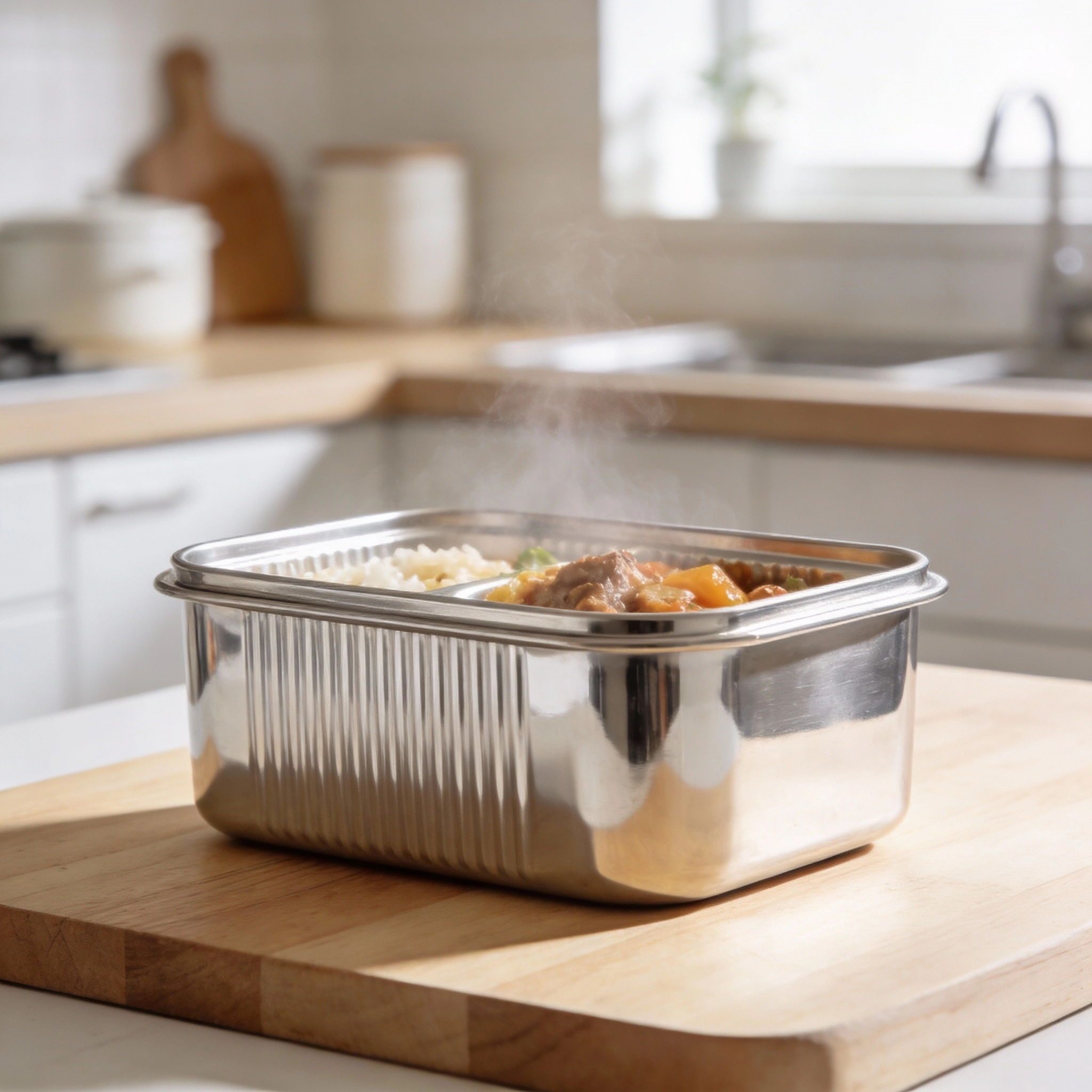
Stainless Steel (304/316)
Sturdy and durable, stainless steel is an ideal solution for keeping hot meals or as a regular-use food storage item.
Best Use: Long-Term Durable Solution
Note: Generally, stainless-steel containers are NOT microwave safe; and therefore, the method used for reheating will depend on the actual design of the individual product.
Quick Comparison (At a Glance) – Find the Best Lunch Box for Your Needs
- Most portable: PP plastic/silicone
- Most cost-effective option: glass / stainless steel
- Most durable: stainless steel
- Best for meal: glass
- Best for heated lunch boxes: stainless steel inner tray
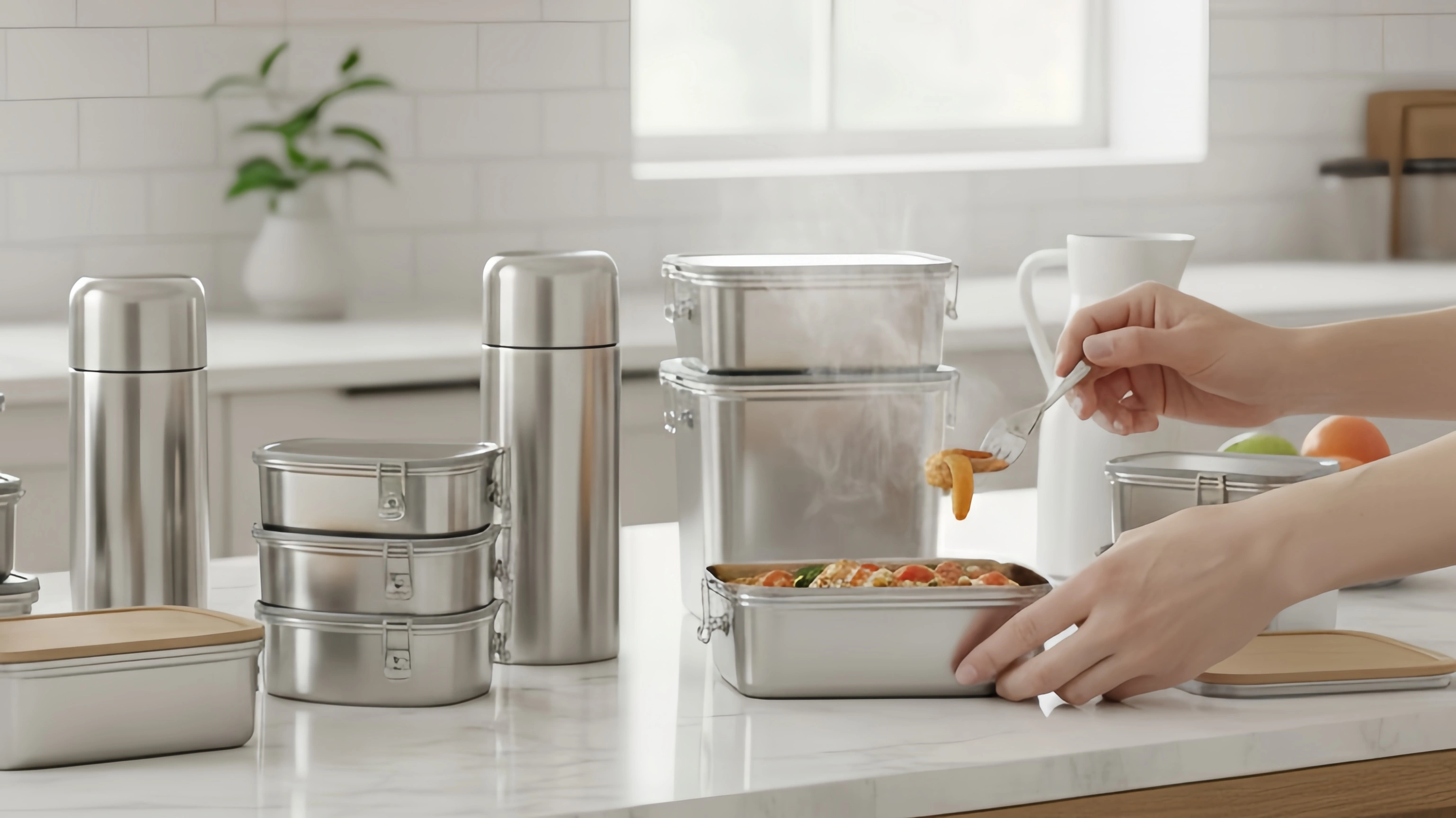
Simple Buying Checklist
- Always choose a material with food contact safety labelling and clear material grades (PP, 304/316, etc.).
- If you plan to use it in the microwave/dishwasher, follow the additional instructions provided by the manufacturer.
- For those who carry their food in bulk, you should select an insulated lunch bag with a leak-proof seal.
Bottom Line
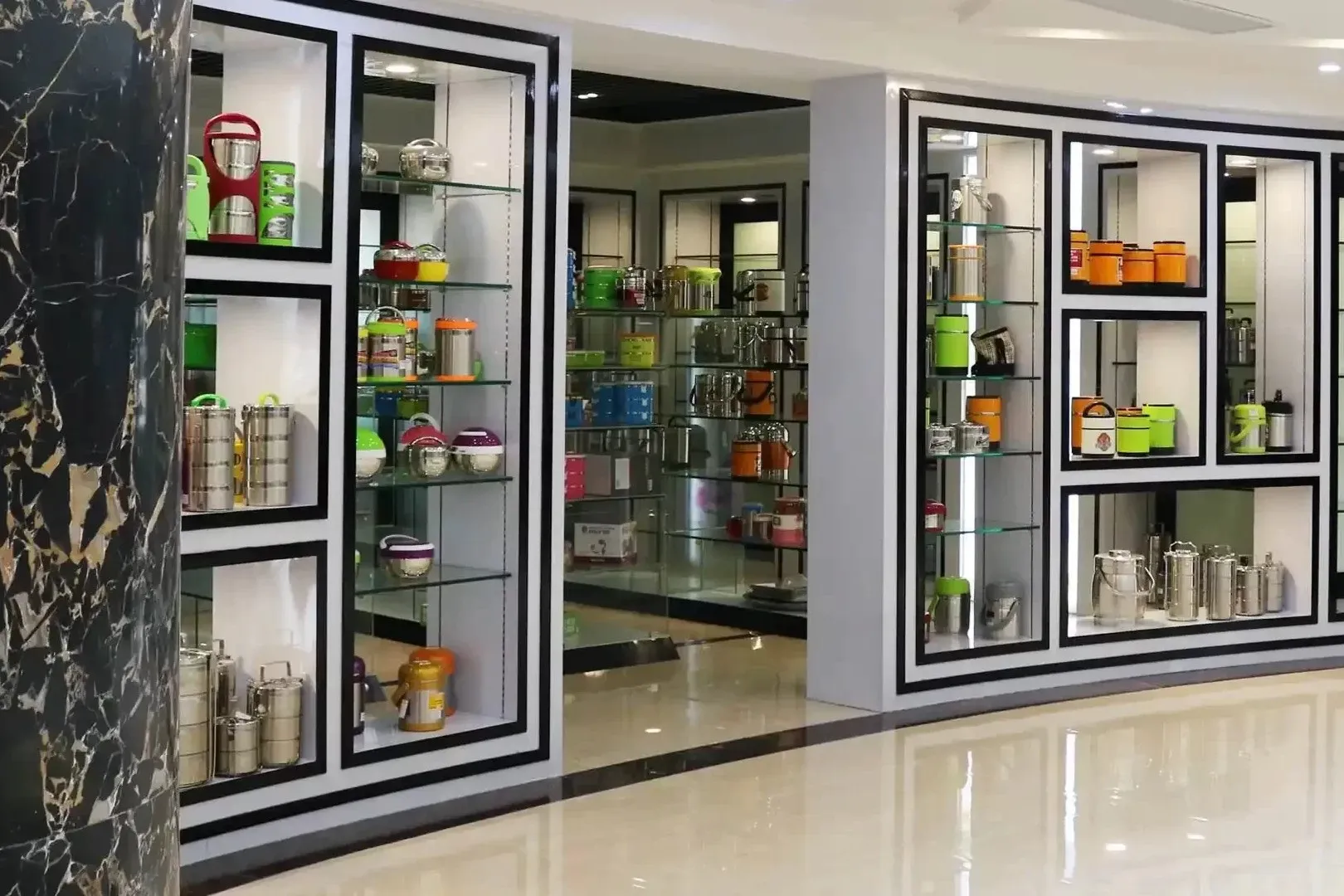
In summary, the material you select should reflect your way of life. For example, if you want something lightweight and easy to carry, you can use polypropylene (PP); If you want to prepare meals that are safe from contamination, use the glass; If you travel and need to save space in your car, use silicone; If you want to use stainless steel, then stainless steel is best for you as it will keep your food warm for long periods of time.
Safe to say, among the top contenders for food safety would be astainless steel lunch boxanother name for durability, non-toxicity, and easy to clean. If you want the best lunch box, there’s ALLNICE. Our stainless steel lunch boxes offer truly worthy counter-tracking of your meals, preserving freshness, protection, and ecology. Thus, switch to ALLNICE for a smarter, healthier way to pack food!