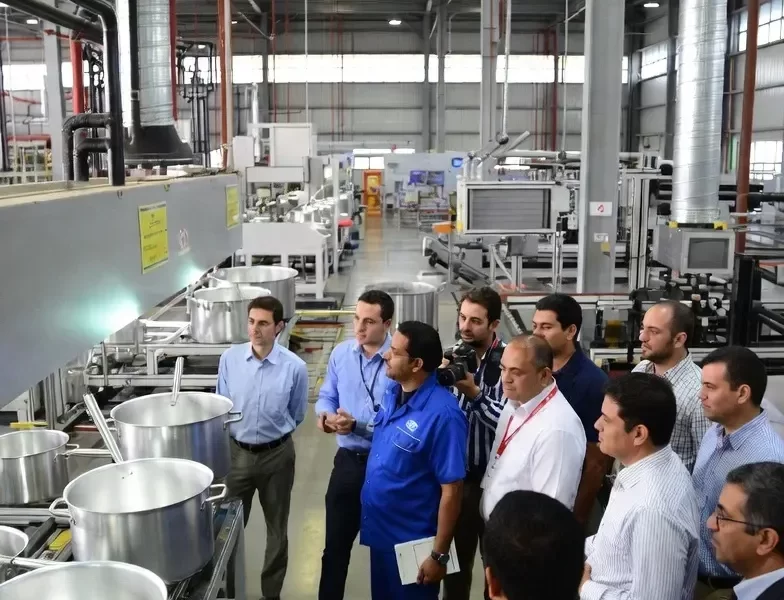
For retailers, distributors, and private-label brands, asking “who are the best cookware companies?” is the wrong starting point. In B2B procurement, the better question is: which suppliers have the systems and proven-out capabilities that match our operational needs?
In this guide, Allnice, a leading cookware manufacturer, turns that idea into a repeatable evaluation process—so you can pick partners who deliver consistent quality, predictable lead times, and scalable margins.
Define “best” for Your Business First
“Best” for a consumer list often means brand recognition or consumer reviews. For procurement teams, the best means of measurable capability is material compliance, process control, capacity, and after-sales support. Before you contact suppliers, document your priorities: target markets, compliance requirements (FDA, LFGB, etc.), SKU strategy, target FOB, and service model (OEM vs. ODM). This specification is the baseline to judge any of the best cookware companies for your needs.
Core Evaluation Criteria (What Matters Most)
Use these five dimensions as the scoring backbone of supplier selection:
- Product quality & material compliance — mill CoA, finished-goods migration tests, and surface Ra targets.
- Manufacturing capabilities & capacity — in-house stamping, clad/tri-ply bonding, polishing, and coating lines.
- Quality assurance & process control — documented IQC/IPQC/FQC, SPC data, and corrective action history.
- Supply reliability & commercial terms — lead-time stability, MOQ flexibility, spare-parts policy.
- Customer service & warranty handling — RMA workflow, spare part turnaround, technical support.
A supplier that scores well across these dimensions is functionally one of the best cookware companies for B2B customers.

How the Best Cookware Companies Are Structured
Top performers share similar internal architecture—understand these features, and you’ll see why they consistently outcompete peers.
A. Product portfolio alignment
Best suppliers organize SKUs by channel: retail, commercial, and value lines. Clear SKU tiers (entry/mid/premium) let you bundle assortments and negotiate tooling amortization.
B. Manufacturing depth & in-house control
Companies that own core processes (cladding, die tooling, electropolish) control variability. Outsourcing critical steps increases risk of batch inconsistency.
C. Quality & compliance systems
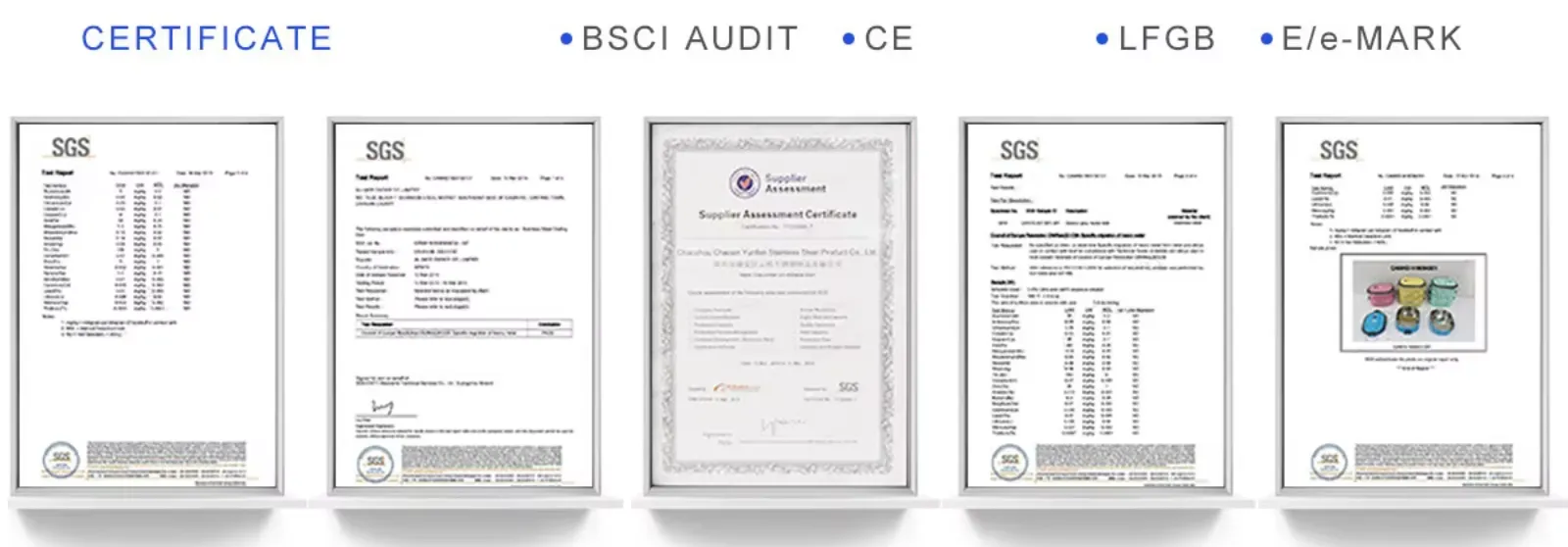
Leading manufacturers treat compliance as a process: batch traceability, scheduled third-party testing, and documented passivation/electropolish procedures—this is non-negotiable for regulated markets.
D. OEM/ODM & customization capability
Best partners have structured R&D, predictable tooling timelines, and a change-control process that maps sample approvals to production runs.
E. Partnership mindset
Top suppliers plan for multi-year collaboration—capacity reservation, component continuity, and joint cost optimization initiatives.
How B2B Buyers Should Evaluate Suppliers
Turn the criteria into actions with this workflow.
- Create a weighted scorecard. Example: Quality 35%, Capacity 20%, Compliance 15%, Lead time 15%, Commercials 15%.
- Request a document package. Mill CoA, past third-party test reports, ISO/BSCI certificates, process flow diagram, and customer references.
- Sample & pilot protocol. Require first-article inspection, functional cooking tests, and a 300–500 unit pilot run to validate production consistency.
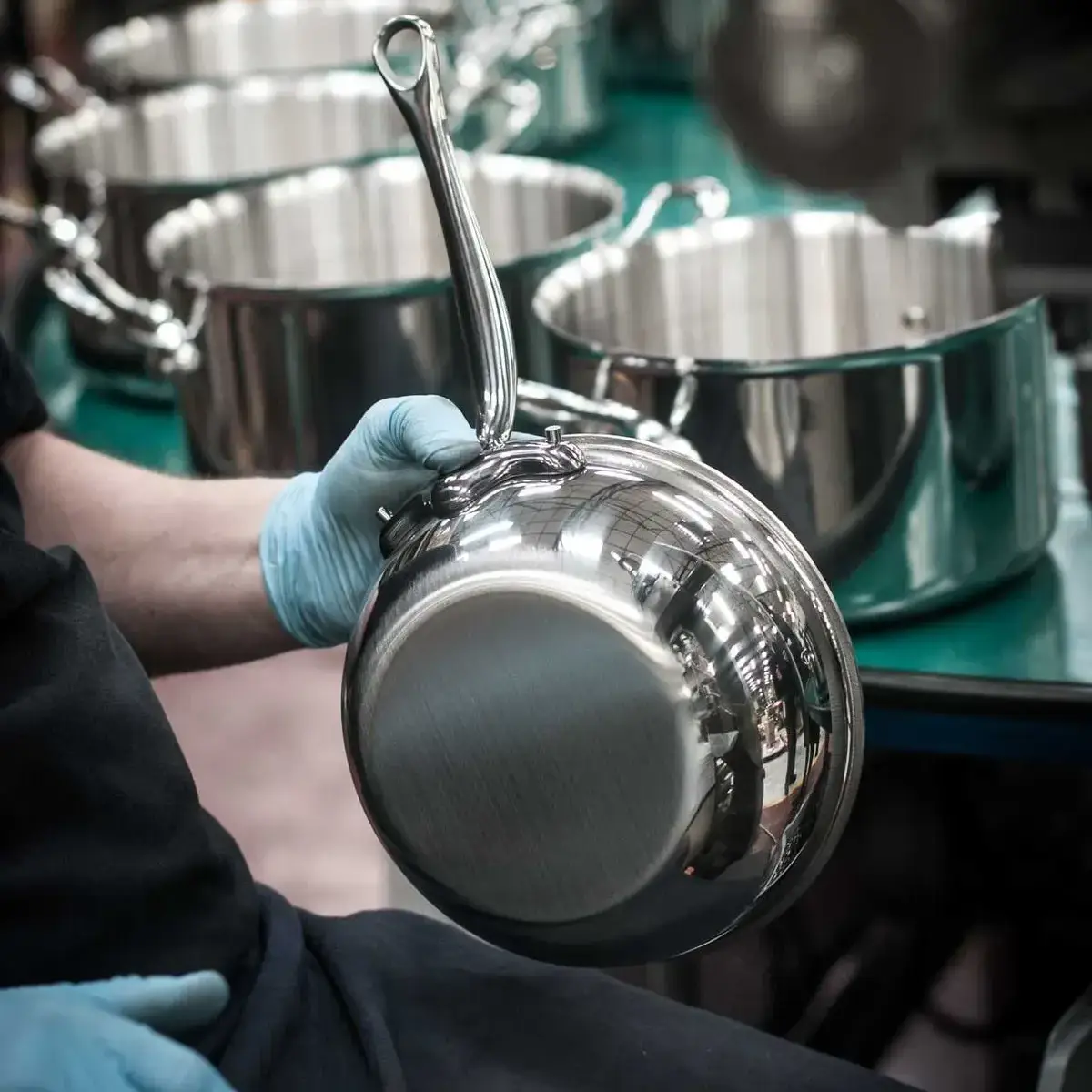
- Audit or third-party inspection. Verify process controls, tooling conditions, and SPC records. A factory visit reduces ambiguity.
- Define acceptance criteria in the contract. Flatness tolerance, Ra values, peel/shear strength for clad parts, and AQL levels must be written into PO terms.
Follow these steps, and you’ll identify suppliers that behave like the best cookware companies in practice—not just in marketing language.
RFQ & Due Diligence Essentials
When issuing RFQs, include:
- Detailed spec sheets (material grades, layer thickness, Ra, tolerances).
- Test requirements (thermal cycle, adhesion, Taber abrasion, migration tests).
- Packaging and labeling specs for retail compliance.
- Pilot run clauses, acceptance testing, and penalty terms for critical failures.
- Intellectual property protections and tooling ownership clauses.
Contracts should convert vendor promises into enforceable, measurable checkpoints.
Common Mistakes Procurement Teams Make
- Focusing on price only. Lowest quotes hide specification gaps.
- Treating a sample as final proof. Samples can be hand-finished—insist on pilot runs.
- Neglecting compliance scope. Raw material CoAs aren’t enough; finished-product tests matter.
- Failing to plan for seasonality. Chinese New Year and peak months affect lead times—build buffers.
Avoid these, and you materially reduce sourcing risk.
Conclusion
The best cookware companies for your business are not universally ranked—they are the suppliers whose structure, processes, and documentation align with your operational and regulatory needs. Use a scorecard, demand verifiable documentation, require pilot runs, and bake compliance and inspection into contracts. That disciplined approach turns supplier selection from guesswork into a repeatable sourcing advantage.
About Allnice

As one of the best cookware companies, Allnice specializes in cookware wholesale, including cookware, dinnerware, catering equipment, etc.
Backed by the productive and stable factory, we are able to offer custom stainless steel catering equipment solutions.
We operate as a factory-direct partner with a strong record of reliability and accountability. Our manufacturing facility is managed under internationally recognized safety and compliance frameworks, ensuring every product meets strict regulatory and quality requirements.