
Global catering trends influence kitchenware purchasing through operating costs, labor efficiency, off-premises dining, sustainability, and brand differentiation. Buyers can improve margins by prioritizing durable products, evaluating total ownership costs, diversifying product assortments, and partnering with reliable OEM/ODM manufacturers. Allnice supplies stainless steel cookware, tableware, and catering equipment to global importers, wholesalers, and distributors, helping businesses build competitive product lines with customized manufacturing solutions.
How Do Global Catering Trends Shape Kitchenware Purchasing?
Global catering trends shape kitchenware purchasing by changing what foodservice businesses need, how they evaluate suppliers, and where they allocate their budgets. Rising operating costs favor durable products, labor challenges increase demand for practical designs, and delivery growth changes serving requirements. For importers and wholesalers, successful purchasing means matching product selection to actual market demand while controlling total costs.
The catering industry is not changing in just one direction. Restaurants must improve efficiency while maintaining service quality, hotels need consistent presentation, and catering businesses require products that withstand frequent handling and transportation. These operational differences directly affect kitchenware purchasing decisions.
According to the National Restaurant Association’s 2026 State of the Restaurant Industry report, US restaurant and foodservice sales are projected to reach $1.55 trillion in 2026. The report also highlights persistent cost pressures and growing investment in technology that improves efficiency.
For B2B buyers, these developments make purchasing strategy a competitive advantage rather than a routine ordering task.
Why Are Cost Pressures Changing Kitchenware Purchasing Priorities?
Cost pressures are pushing foodservice businesses to evaluate durability, replacement frequency, maintenance, and purchase price together. Kitchenware purchasing should focus on total cost of ownership (TCO), because the lowest upfront price does not necessarily produce the lowest long-term operating cost.
The National Restaurant Association’s analysis of restaurant inflation estimates that total expenses for an average US restaurant increased by 36% between 2019 and 2026. This sustained pressure makes cost control an important consideration for restaurant operators and their suppliers.
For importers and wholesalers, the practical response is to compare products based on measurable performance rather than price alone.
Consider these purchasing priorities:
- Durabilidade: Evaluate material specifications, construction quality, finish, and resistance to repeated commercial use.
- Maintenance: Choose products that are easy to clean and suitable for the intended washing and handling procedures.
- Replacement costs: Estimate how frequently products may need replacing under actual operating conditions.
- Inventory efficiency: Prioritize versatile products that serve multiple customer segments without creating excessive stock complexity.
Stainless steel cookware, food storage containers, serving utensils, and tableware can fit these requirements when their specifications match the intended application.
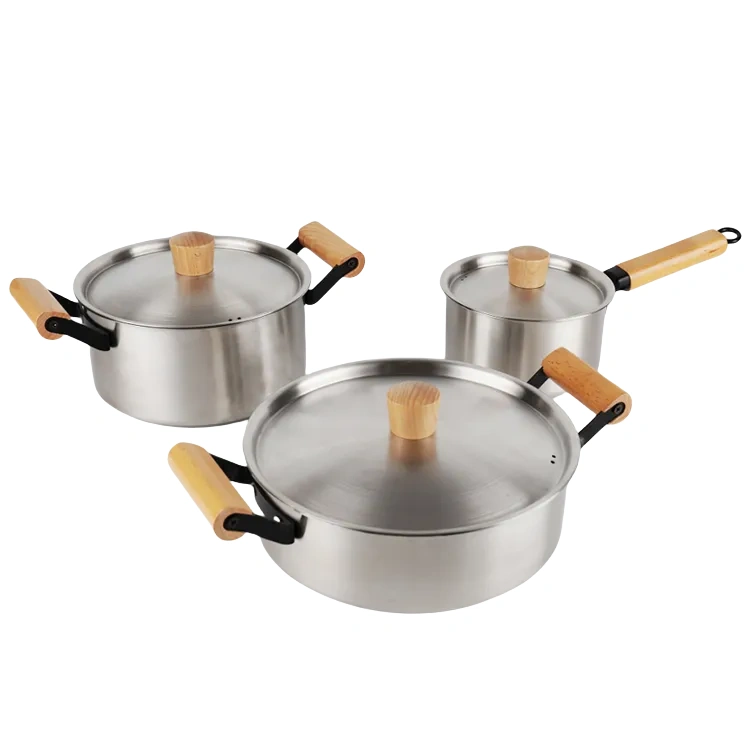
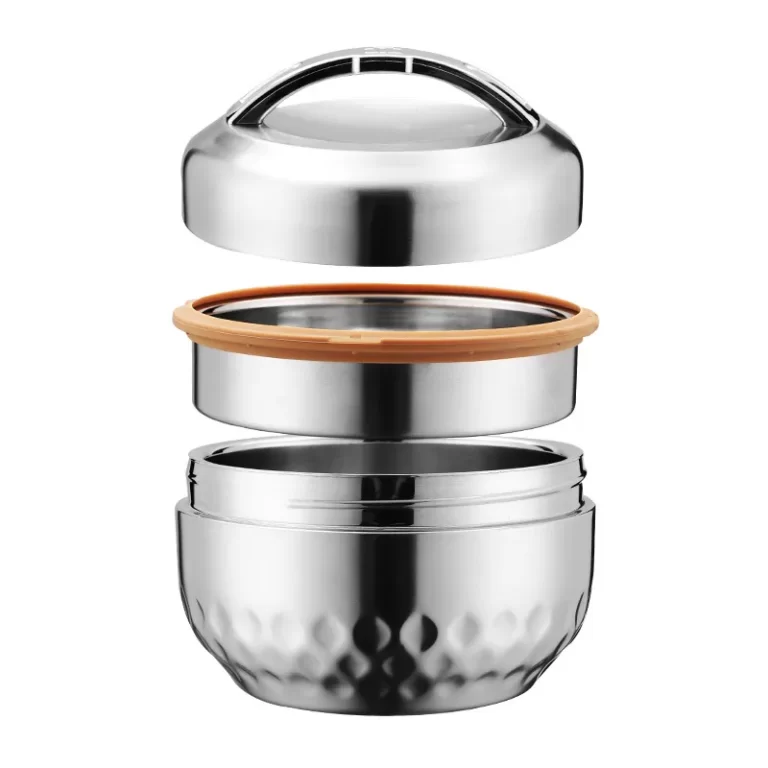
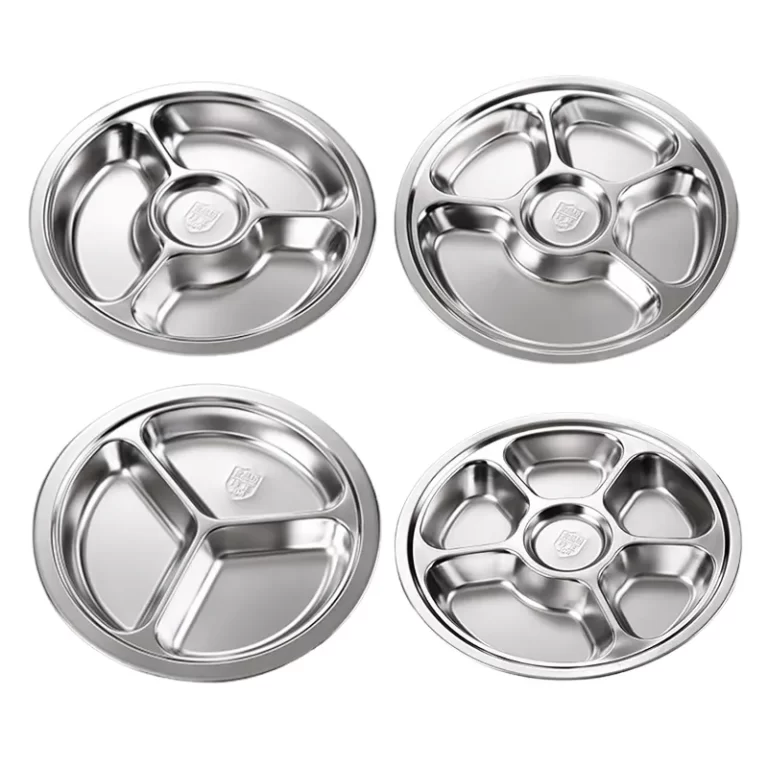
For kitchenware purchasing, the objective is to balance initial investment, product performance, and expected service life. Buyers should request samples, verify specifications, and test products under representative conditions before committing to large orders.
How Does Off-Premises Dining Influence Kitchenware Demand?
The growth of takeout, delivery, and other off-premises services changes foodservice workflows and creates different requirements for food preparation, storage, and presentation. Kitchenware purchasing must therefore reflect the service model of the target customer rather than assuming that every business operates a traditional dine-in restaurant.
The National Restaurant Association’s 2025 Off-Premises Restaurant Trends report found that 47% of US adults picked up takeout at least weekly, 42% used drive-through services weekly, and 37% ordered delivery weekly.
These figures describe US consumer behavior, not the entire global market, but they demonstrate why off-premises operations deserve attention from foodservice suppliers.
The purchasing implications differ by product category:
| Business model | Main purchasing priorities | Relevant kitchenware |
|---|---|---|
| Full-service restaurants | Presentation, durability, consistent service | Cookware, cutlery, serving trays |
| Hotels and buffets | Capacity, appearance, efficient service | Chafing dishes, serving utensils, drink dispensers |
| Empresas de catering | Portability, handling, repeated setup | Serving trays, food containers, buffet equipment |
| Delivery-focused kitchens | Preparation efficiency, storage, workflow | Cookware, mixing bowls, preparation tools |
| Cafés and beverage businesses | Convenient preparation and presentation | Kettles, drinkware, bar accessories |
An important distinction: Reusable stainless steel kitchenware serves preparation, storage, and dine-in operations, while single-use takeaway packaging addresses a different need. Buyers should select products according to the actual service workflow.
For distributors, this creates an opportunity to develop focused product assortments for different foodservice segments instead of relying on a single generic catalog.
How Do Labor Shortages and Efficiency Goals Affect Product Selection?
Labor shortages and efficiency targets increase the value of kitchenware that simplifies handling, cleaning, storage, and repetitive tasks. Kitchenware purchasing should consider how a product performs within the complete workflow, not just its appearance or material.
The National Restaurant Association’s 2026 industry report identifies workforce development and technology investment as important industry priorities.
Although kitchenware cannot solve staffing shortages on its own, suitable product design can reduce avoidable operational friction.
Buyers should evaluate the following features:
- Easy cleaning: Smooth, accessible surfaces help simplify routine cleaning when the product is properly designed.
- Practical handling: Suitable handles, balanced construction, and appropriate product weight support everyday use.
- Efficient storage: Stackable or nestable designs can help reduce storage requirements where the product geometry permits.
- Standardized sizes: Consistent dimensions simplify replenishment and replacement across multiple locations.
- Multi-purpose functionality: Versatile products can reduce unnecessary duplication in selected product categories.
For example, a catering supplier serving hotel groups may prioritize standardized buffet accessories and serving equipment. A distributor supplying independent restaurants may place greater emphasis on versatile cookware and kitchen tools.
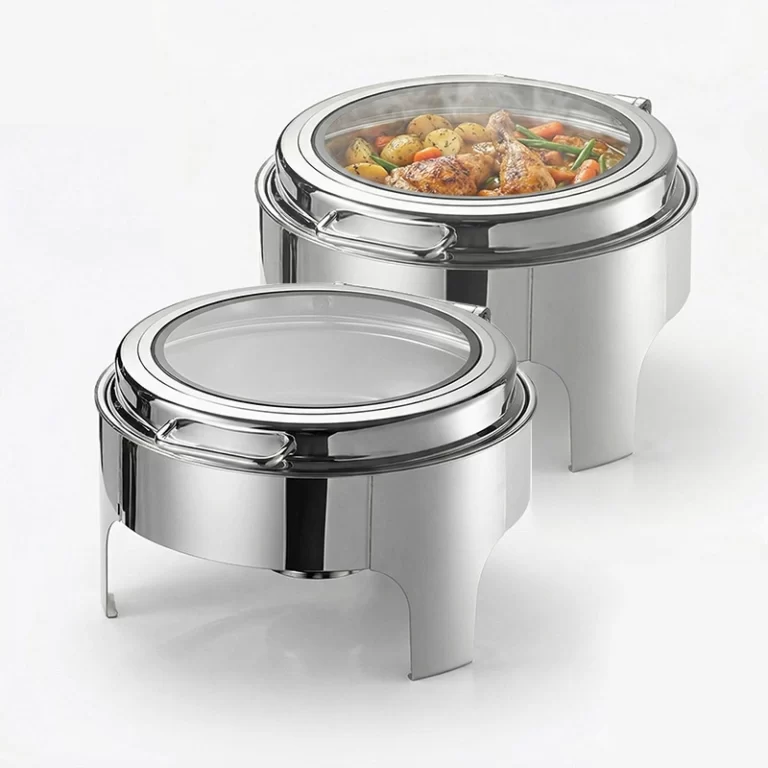
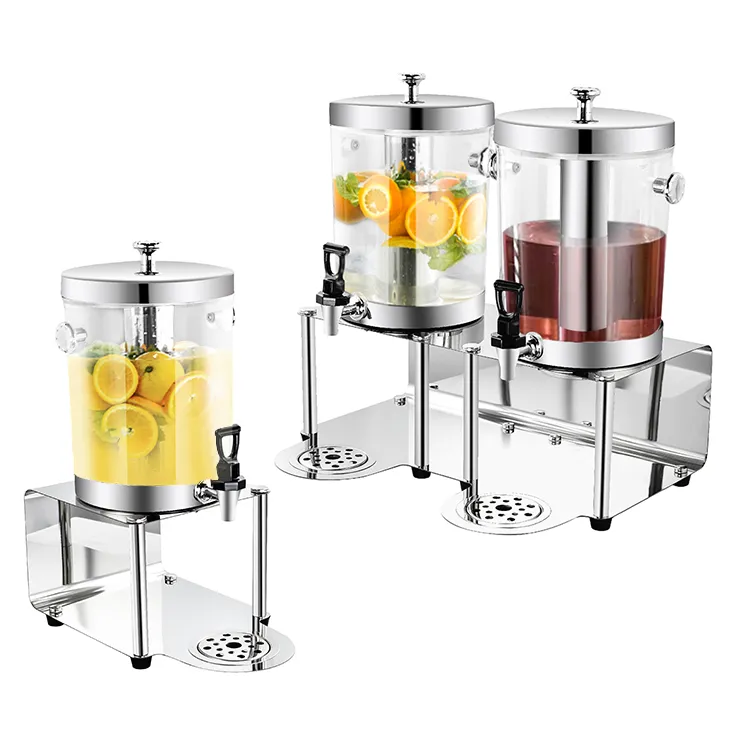
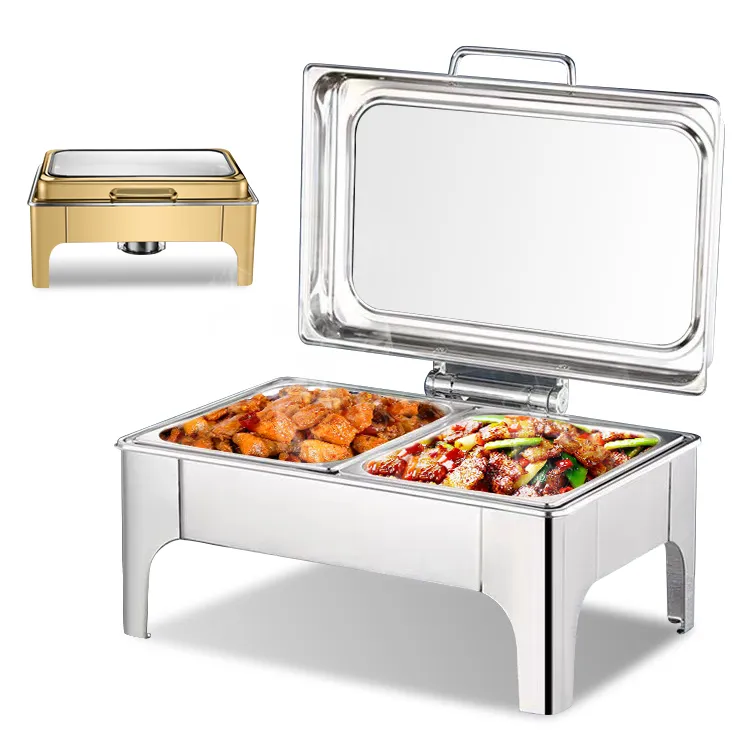
This is where kitchenware purchasing becomes closely connected to customer segmentation. Understanding how buyers use products helps wholesalers select the right specifications and build stronger product offerings.
Why Are Sustainability and Product Lifespan Important in Purchasing Decisions?
Sustainability considerations are increasing the importance of product lifespan, material suitability, maintenance, and end-of-life handling. Kitchenware purchasing should assess the entire use cycle rather than treating a material label as proof that a product is environmentally preferable.
Reusable stainless steel products can support repeated use when they are durable, properly maintained, and suitable for the intended application. However, their actual environmental impact also depends on manufacturing, transportation, cleaning, service life, and end-of-life recovery.
For B2B buyers, a practical assessment includes:
- Verify material specifications. Request accurate material information and confirm that the selected grade suits the intended foodservice application.
- Evaluate expected service life. Assess construction, finish, maintenance requirements, and suitability for repeated use.
- Review cleaning requirements. Confirm compatibility with the cleaning methods and detergents used by the customer.
- Check packaging and shipping. Consider protective packaging, shipment efficiency, and the risk of product damage.
- Avoid unsupported environmental claims. Ask suppliers for evidence before making recyclability, recycled-content, or sustainability claims.
For importers and private-label brands, these checks also help reduce quality disputes and protect brand credibility.
A useful approach to kitchenware purchasing is to establish minimum performance requirements first, then compare compliant products on price, expected lifespan, and supply reliability.
How Can B2B Buyers Match Kitchenware Purchasing to Market Demand?
B2B buyers can improve purchasing decisions by translating customer demand into clear product specifications, supplier requirements, and inventory plans. The most effective strategy connects market trends to individual stock-keeping units (SKUs), rather than purchasing broad product categories without a defined sales purpose.
A structured purchasing process helps importers, wholesalers, and distributors manage risk.
Step 1: Segment your target customers.
Separate hotel groups, restaurants, catering companies, retailers, and online sellers. Each segment has different requirements for appearance, functionality, packaging, and order quantities.
Step 2: Define product specifications.
Document the required material, dimensions, capacity, finish, intended use, packaging, and quality criteria. Clear specifications reduce misunderstandings during quotation and production.
Step 3: Compare suppliers on more than price.
Assess manufacturing capability, sample quality, customization support, inspection procedures, communication, lead times, and delivery reliability.
Step 4: Validate demand before expanding inventory.
Use customer feedback, historical sales, seasonal demand, and test orders to identify products worth scaling. Avoid treating every industry trend as an immediate purchasing opportunity.
Step 5: Review performance regularly.
Track sales velocity, gross margin, defect rates, stock turnover, customer complaints, and replenishment lead times. Adjust purchasing quantities based on actual results.
This process turns kitchenware purchasing into a repeatable business system. It also gives buyers a clearer basis for negotiating with manufacturers and planning future orders.
How Can OEM/ODM Manufacturers Help Buyers Build Competitive Product Lines?
OEM/ODM manufacturers help buyers differentiate their product lines through customized designs, branding, product development, and coordinated bulk production. For businesses competing on both product quality and brand recognition, kitchenware purchasing can become a way to develop market-specific offerings instead of selling interchangeable products.

A capable manufacturing partner can support several areas:
| OEM/ODM service | Benefit for B2B buyers |
|---|---|
| Conceção de produtos | Aligns functionality and appearance with customer requirements |
| Desenvolvimento de bolor | Supports custom shapes and product-specific designs |
| Personalização do logótipo | Strengthens brand recognition |
| Personalização de embalagens | Creates a consistent branded presentation |
| Produção em grande escala | Supports planned replenishment and market expansion |
| Controlo de qualidade | Helps maintain consistency against agreed specifications |
Before starting a project, buyers should confirm sample approval procedures, tooling costs where applicable, minimum order quantities, production lead times, inspection criteria, and intellectual property arrangements.
For example, a distributor supplying hospitality customers may develop a coordinated collection of cookware, serving trays, and buffet accessories. A retailer may instead prioritize branded cookware sets and gift-ready packaging.
Both approaches require product specifications that reflect the target market.
For kitchenware purchasing, the key is to choose customization that solves a genuine customer need. Extra features, complex designs, and unnecessary packaging can increase costs without improving sales.
What Unique Strategy Can Help Buyers Reduce Purchasing Risk?
A useful strategy is to build a trend-to-SKU purchasing matrix that links each market trend to a specific customer need, product decision, and measurable business outcome. This method helps buyers distinguish actionable demand from general industry news.
Instead of expanding inventory whenever a trend becomes popular, score each proposed product against four factors:
| Evaluation factor | Key question |
|---|---|
| Customer demand | Which customer segment needs this product, and what evidence supports demand? |
| Operational value | Does the product improve durability, workflow, presentation, or storage? |
| Commercial viability | Can the expected margin justify the purchase and inventory commitment? |
| Supply readiness | Can the supplier meet quality, customization, and delivery requirements? |
For example, rising demand for efficient buffet service may justify testing a coordinated range of chafing dishes and serving accessories with hotel and catering customers. It does not automatically justify buying every available buffet product.
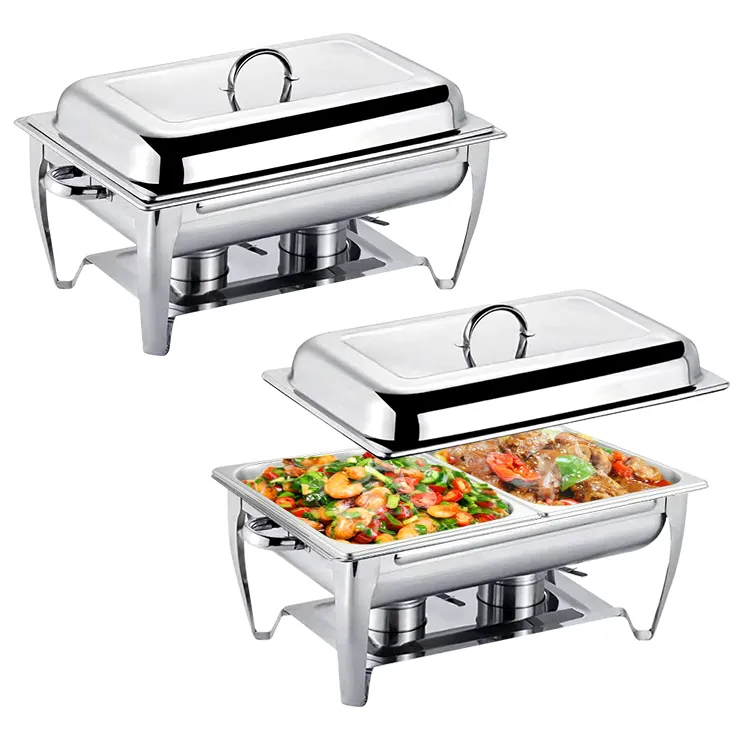

Buyers can begin with a small assortment, gather feedback, measure sales, and expand only when the results support the decision.
This trend-to-SKU method gives kitchenware purchasing a direct link to inventory management and sales performance. It also creates a clear framework for supplier discussions, product development, and quarterly assortment reviews.
What Should Buyers Look for When Choosing a Kitchenware Supplier?
Buyers should choose a fornecedor de utensílios de cozinha based on product consistency, manufacturing capability, quality control, customization support, and reliable communication. A competitive quotation matters, but it should be evaluated alongside the supplier’s ability to meet the full order specification.
Before placing a bulk order, confirm the following:
- Product specifications and approved samples match the intended application.
- Quality inspection criteria are agreed upon before production.
- MOQ, tooling charges, payment terms, and lead times are documented.
- Packaging and shipping arrangements protect products during transit.
- Custom logos, colors, and packaging have been approved.
- Reordering procedures and communication channels are clear.
For OEM/ODM projects, buyers should also confirm who owns custom designs and molds, how revisions are approved, and how changes to materials or specifications are controlled.
These checks make kitchenware purchasing more predictable and help reduce avoidable sourcing risks.
Perguntas frequentes
1. What factors influence kitchenware purchasing the most?
Operating costs, product durability, labor efficiency, customer preferences, sustainability requirements, and supplier reliability all influence kitchenware purchasing. The most important factors depend on the buyer’s target market and the intended application.
2. Why is stainless steel popular in commercial kitchenware?
Stainless steel is valued for its durability, corrosion resistance, cleanability, and suitability for many foodservice applications. Buyers should still verify the specific grade, construction, maintenance requirements, and product suitability before purchasing.
3. How can wholesalers reduce kitchenware purchasing costs?
Wholesalers can compare total ownership costs, consolidate suitable orders, standardize product specifications, negotiate volume pricing, and monitor inventory turnover. Sample testing and clear quality requirements also help reduce the risk of costly defects and returns.
4. What is the difference between OEM and ODM kitchenware?
OEM generally involves manufacturing products to a buyer’s specifications or design, while ODM typically involves adapting or developing a manufacturer’s design for the buyer’s brand. Actual service scope varies by supplier, so buyers should confirm design ownership and customization terms.
5. How should buyers evaluate a kitchenware manufacturer?
Evaluate sample quality, manufacturing capability, quality control, customization options, MOQ, lead times, communication, and export experience. Compare quotations only after confirming that suppliers are quoting against equivalent specifications.
6. How can businesses prepare for future kitchenware demand?
Monitor customer feedback, industry reports, sales data, and seasonal demand. Test new products in limited quantities, review SKU performance, and work with suppliers that can support specification changes and repeat orders.
Conclusão
Global catering trends are reshaping kitchenware purchasing by increasing the importance of cost control, operational efficiency, product lifespan, and differentiated product offerings. For importers, wholesalers, and distributors, the strongest purchasing strategy combines market research with clear specifications, supplier evaluation, and measurable inventory performance.
Allnice é uma empresa de confiança fabricante de utensílios de cozinha specializing in stainless steel cookware, tableware, and catering equipment for global importers, wholesalers, and distributors. With OEM/ODM capabilities covering product design, mold development, logo customization, and bulk production, Allnice provides one-stop catering supplies solutions tailored to diverse business needs. Contact Allnice today to discuss your product requirements, develop a customized kitchenware range, and build a more competitive product portfolio. Request a Quote to get started.