Lanzar con éxito una marca de utensilios de cocina en Amazon requiere algo más que encontrar un producto con una gran demanda. Muchos vendedores dedican innumerables horas a investigar palabras clave, optimizar sus fichas de producto y gestionar campañas publicitarias, solo para encontrarse con problemas causados por proveedores poco fiables.
Los defectos en los productos, los retrasos en los envíos, la calidad irregular y los problemas de cumplimiento normativo pueden dar lugar rápidamente a valoraciones negativas, devoluciones, advertencias en la cuenta y pérdida de ventas.
Por este motivo, la evaluación de un proveedor debería ser uno de los primeros pasos de su proceso de selección de proveedores.
Tanto si vas a lanzar tu primer producto de menaje de cocina como si vas a ampliar una marca propia ya existente, plantearte las preguntas adecuadas antes de realizar un pedido puede ayudarte a encontrar un socio fabricante de confianza y a evitar errores costosos.
Aquí, como un fabricante de utensilios de cocina de acero inoxidable, Allnice enumera las preguntas más importantes que los vendedores de Amazon deberían plantear a un proveedor de servicios de Amazon antes de lanzarse a la producción.
Por qué la evaluación de proveedores es más importante que la selección de productos
Muchos vendedores nuevos en Amazon se centran casi exclusivamente en la selección de productos.
Aunque elegir el producto adecuado es importante, los problemas relacionados con la cadena de suministro suelen acarrear dificultades mayores que la competencia en el mercado.
La mayoría de los fallos de Amazon se deben a fallos en la cadena de suministro
Un producto de menaje de cocina puede tener una demanda excelente, pero el éxito se complica cuando los proveedores se enfrentan a las siguientes dificultades:
- Calidad irregular de los productos
- Retrasos en la producción
- Problemas con el embalaje
- Escasez de existencias
- Incumplimientos normativos
Un solo lote defectuoso puede generar valoraciones negativas que perjudiquen el rendimiento del anuncio durante meses.
Un buen proveedor se convierte en un socio para el crecimiento
Los mejores fabricantes aportan mucho más allá de la producción.
Ayudan a:
- Desarrollo de productos
- Optimización de costes
- Mejoras en el embalaje
- Planificación de existencias
- Preparación Amazon FBA
- Coordinación logística
Elegir desde el principio al socio de fabricación adecuado puede aumentar considerablemente tus posibilidades de éxito a largo plazo.

Pregunta #1 — ¿Qué materiales de acero inoxidable utilizáis?
La primera pregunta siempre debe centrarse en la calidad del material.
Por qué es importante la calidad del material
Los distintos tipos de acero inoxidable ofrecen diferentes niveles de resistencia a la corrosión, durabilidad y seguridad alimentaria.
Acero inoxidable 304
A menudo se conoce como acero inoxidable 18/8 o 18/10.
Ventajas:
- Excelente resistencia a la corrosión
- Superficie apta para el contacto con alimentos
- Larga vida útil
- Percepción del mercado de gama alta
Acero inoxidable 316
Contiene molibdeno para una mayor resistencia a la corrosión.
Ventajas:
- Durabilidad superior
- Mayor resistencia a los ingredientes ácidos
- Posicionamiento de gama alta
Acero inoxidable 430
Se utiliza con frecuencia para el exterior de los utensilios de cocina.
Ventajas:
- Rentable
- Magnético para cocinas de inducción
Limitaciones:
- Menor resistencia a la corrosión en comparación con el 304
Preguntas que deben plantearse los vendedores
- ¿Qué tipo de acero inoxidable se utiliza para la superficie de cocción?
- ¿Se pueden facilitar certificados de los materiales?
- ¿El material procede de proveedores certificados?
- ¿Se puede garantizar la trazabilidad de las materias primas?
Señales de advertencia
Ten cuidado si un proveedor:
- Utiliza descripciones imprecisas como “acero de primera calidad”.”
- No se pueden facilitar las especificaciones del material
- Se niega a compartir la documentación de las pruebas
Pregunta #2 — ¿Qué tipo de utensilios de cocina fabricáis?
El material por sí solo no determina el rendimiento.
La calidad de la construcción es igual de importante.
De una capa frente a tres capas frente a cinco capas
Estructura de una sola capa
Ventajas:
- Menor coste
- Ligero
Desventajas:
- Distribución desigual del calor
- Mayor riesgo de que se produzcan focos de infestación
Construcción de tres capas
Combina acero inoxidable con un núcleo de aluminio.
Ventajas:
- Mejor conductividad térmica
- Mejor rendimiento en la cocción
- Fuerte demanda de los consumidores
Estructura de cinco capas
Las múltiples capas metálicas mejoran la retención del calor y la durabilidad.
Ventajas:
- Posicionamiento de gama alta
- Rendimiento de nivel profesional
Preguntas que deben plantearse los vendedores
- ¿Qué tipos de materiales hay para los utensilios de cocina?
- ¿Qué materiales se utilizan para el núcleo?
- ¿Qué opciones de grosor ofrecéis?
- ¿Qué estructuras funcionan mejor en mi mercado objetivo?
Un profesional fabricante de utensilios de cocina a medida Deberías ser capaz de explicar las ventajas de cada tipo de construcción y recomendar la opción más adecuada para tu clientela.
Pregunta #3: ¿Podéis encargaros de proyectos de fabricantes de equipos originales (OEM) y de marcas blancas?
La mayoría de las marcas de utensilios de cocina de Amazon que tienen éxito acaban yendo más allá de los productos genéricos.
Las marcas blancas contribuyen a aumentar el valor de la marca y la fidelidad de los clientes.
Oportunidades de desarrollo de marca para los vendedores de Amazon
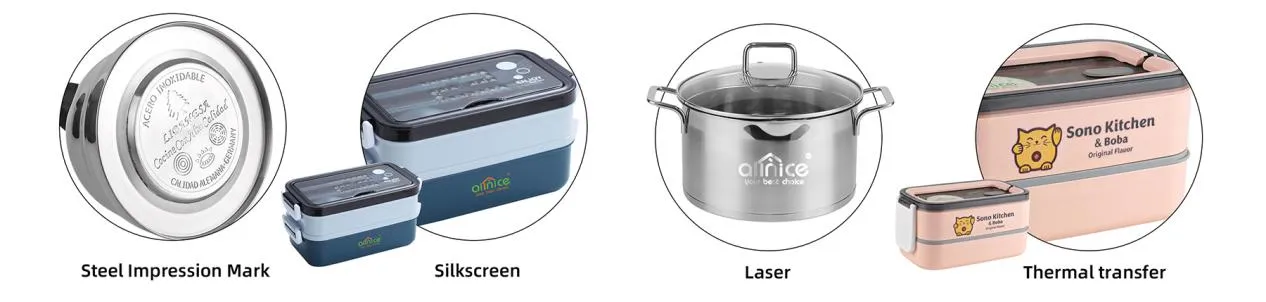
Entre las opciones de personalización más habituales se incluyen:
- Grabado de logotipos con láser
- Logotipos en relieve
- Personalización del color
- Asas personalizadas
- Embalaje en caja de regalo
- Manuales de instrucciones
- Envases listos para la venta al por menor
Preguntas que deben plantearse los vendedores
- ¿Cuál es la cantidad mínima de pedido (MOQ) para la personalización?
- ¿Se puede personalizar el embalaje?
- ¿Ofrecéis asistencia en materia de diseño?
- ¿Se pueden crear prototipos antes de la producción en serie?
Por qué es importante
Los utensilios de cocina de marca propia suelen ofrecer:
- Mayores márgenes de beneficio
- Mayor reconocimiento de marca
- Mayor fidelización de los clientes
- Menor competencia directa en los precios
Un fabricante con sólidas capacidades de OEM y ODM puede ayudar a los vendedores a crear una marca a largo plazo, en lugar de competir únicamente en precio.
Pregunta #4: ¿Qué certificaciones y documentos de cumplimiento normativo pueden proporcionar?
Amazon exige cada vez más a los vendedores que presenten documentación que acredite el cumplimiento de la normativa.
El incumplimiento de esta norma puede dar lugar a restricciones en la publicación de anuncios o a problemas con la cuenta.
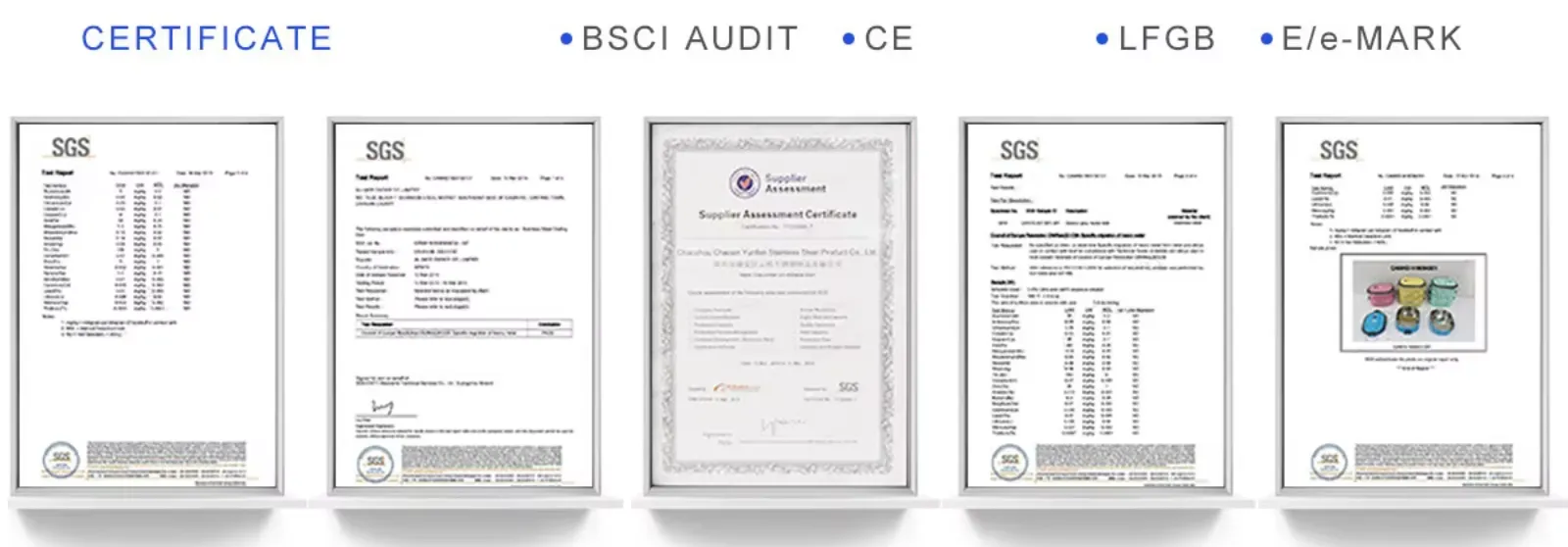
Certificaciones habituales
Dependiendo de tu mercado objetivo, es posible que necesites:
Cumplimiento de la normativa de la FDA
Importante para el mercado estadounidense.
Ensayos según la LFGB
A menudo es obligatorio en Europa.
Cumplimiento del Reglamento REACH
Pertinente para los requisitos europeos en materia de seguridad química.
ISO 9001
Indica sistemas estructurados de gestión de la calidad.
Preguntas que deben plantearse los vendedores
- ¿Están al día las certificaciones?
- ¿Se pueden facilitar informes antes de la producción?
- ¿Han superado los productos las pruebas para mi mercado objetivo?
- ¿Se puede actualizar la documentación si Amazon lo solicita?
Aspectos a tener en cuenta en materia de cumplimiento normativo en Amazon
Amazon puede solicitar documentación durante:
- Opiniones sobre productos
- Auditorías de listados
- Investigaciones de seguridad
- Autorizaciones por categorías
Disponer de la documentación necesaria reduce los riesgos operativos.
Pregunta #5 — ¿Qué procedimientos de control de calidad sigues?
El control de calidad influye directamente en las opiniones de los clientes y en la repetición de compras.
Por qué el control de calidad influye en las valoraciones
Entre las quejas más habituales sobre los utensilios de cocina se encuentran:
- Arañazos
- Acabado deficiente
- Calentamiento desigual
- Asas sueltas
- Pantalones deformados
- Embalaje dañado
La mayoría de estos problemas pueden evitarse mediante sistemas de inspección adecuados.
Preguntas que deben plantearse los vendedores
- ¿Cuántas fases de inspección se llevan a cabo?
- ¿Se inspecciona cada lote de producción?
- ¿Hay informes de inspección disponibles?
- ¿Qué criterios de admisión se aplican?
Características de un fabricante profesional
A fiable fabricante de utensilios de cocina de acero inoxidable suele afirmar:
- Inspecciones de material entrante
- Inspecciones durante el proceso
- Inspecciones del producto final
- Inspecciones de envases
- Sistemas de trazabilidad de lotes
Estos sistemas contribuyen a garantizar una calidad constante del producto en grandes series de producción.
Pregunta #6: ¿Cuáles son su cantidad mínima de pedido (MOQ), su capacidad de producción y sus plazos de entrega?
Conocer la capacidad de producción es fundamental para la planificación de existencias.
Consideraciones sobre la cantidad mínima de pedido (MOQ)
Las distintas fases del pedido pueden requerir diferentes cantidades mínimas de pedido (MOQ).
Pregunta sobre:
- Cantidad mínima de pedido de muestras
- Cantidad mínima de pedido (MOQ) para pedidos de prueba
- Cantidad mínima de pedido (MOQ) para marcas blancas
- Cantidad mínima de pedido (MOQ) para la producción a gran escala
Los MOQ flexibles resultan especialmente útiles para los nuevos vendedores de Amazon que quieren evaluar la demanda.
Capacidad de producción
Pregunta a los proveedores:
- ¿Cuál es vuestra capacidad de producción mensual?
- ¿Se puede aumentar la capacidad durante las temporadas altas?
- ¿Cómo gestionáis los pedidos de gran volumen?
Evaluación del plazo de entrega
Los plazos de entrega habituales varían en función de:
- Complejidad del producto
- Requisitos de personalización
- Calendarios de producción
- Demanda estacional
Conocer los plazos de entrega ayuda a evitar la falta de existencias y las interrupciones en las ventas.
Pregunta #7: ¿Ofrecéis servicios de preparación y envío para el programa FBA de Amazon?
Muchos vendedores subestiman la complejidad de la logística de Amazon.
Por qué el servicio de asistencia de FBA te ahorra tiempo
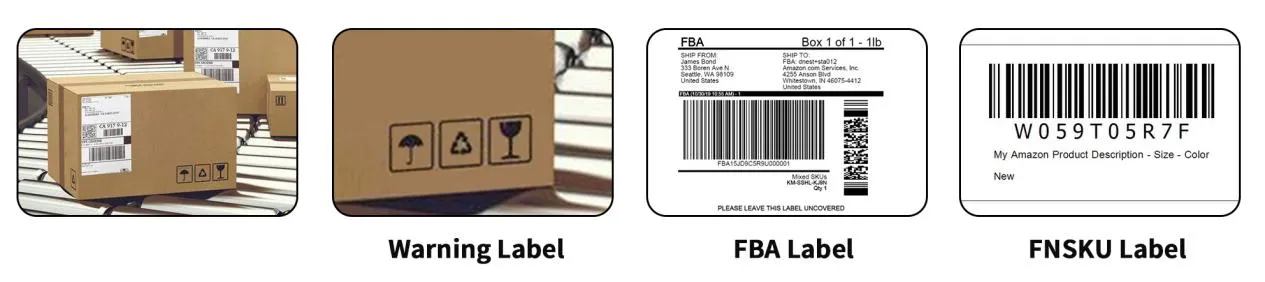
Amazon exige un cumplimiento estricto en lo que respecta a:
- Colocación de las etiquetas
- Dimensiones de la caja
- Normas de envasado
- Documentación de envío
Los errores pueden provocar:
- Rechazo en almacén
- Retraso en la recepción
- Gastos adicionales
Preguntas que deben plantearse los vendedores
- ¿Puedes colocar etiquetas FNSKU?
- ¿Podéis etiquetar las cajas de cartón según los requisitos de Amazon?
- ¿Podéis preparar los productos para su envío a FBA?
- ¿Podéis encargaros de los servicios de transporte?
Ventajas de trabajar con un proveedor preparado para FBA
A capaz [proveedor de utensilios de cocina] puede ofrecer:
- Etiquetado de productos
- Cumplimiento de la normativa sobre envases
- Agrupación de cajas de cartón
- Coordinación del transporte de mercancías
- Asistencia en el transporte del primer tramo
Esto simplifica las operaciones y reduce los riesgos logísticos.
Pregunta #8: ¿Podéis gestionar pequeños pedidos de prueba antes de ampliar la escala?
Probar los productos antes de comprometerse a realizar compras de grandes cantidades es una estrategia inteligente.
Por qué es importante la validación de productos
Muchos vendedores de Amazon fracasan porque invierten demasiado antes de comprobar si existe demanda.
Las pruebas permiten a los vendedores evaluar:
- Reacción del mercado
- Estrategia de precios
- Posicionamiento del producto
- Opiniones de los clientes
Preguntas que deben plantearse los vendedores
- ¿Puedo pedir muestras?
- ¿Puedo hacer un pequeño pedido de prueba?
- ¿Admitís pedidos con referencias mixtas?
- ¿Se ofrece el servicio de gestión de pedidos sin necesidad de disponer de stock?
Cómo los proveedores flexibles reducen el riesgo
Los proveedores que aceptan pequeños pedidos de prueba permiten a los vendedores probar los productos con un menor riesgo financiero.
Esta flexibilidad resulta especialmente valiosa a la hora de introducirse en nuevas categorías de productos.
Pregunta #9 — ¿Qué ocurre si hay un problema de calidad?
Ningún proceso de producción es perfecto.
Lo que importa es cómo reaccionan los proveedores cuando surgen problemas.
Preguntas que deben plantearse los vendedores
- ¿Cuál es vuestra política de garantía?
- ¿Cómo se gestionan los productos defectuosos?
- ¿Se pueden emitir duplicados?
- ¿Qué políticas de compensación existen?
Por qué es importante la atención posventa
Un sólido servicio de atención posventa ayuda a los vendedores:
- Garantizar la satisfacción del cliente
- Mantener las valoraciones
- Reducir las pérdidas
- Resolver los problemas rápidamente
La disposición de un proveedor a respaldar sus productos suele ser un reflejo de su profesionalidad en general.
Pregunta #10 — ¿Puedes crecer conmigo en mi negocio de Amazon?
Hay muchos proveedores que pueden atender un primer pedido.
Son mucho menos las que pueden sustentar un crecimiento a largo plazo.
Capacidad de crecimiento de los proveedores
A medida que tu negocio crezca, es posible que necesites:
- Desarrollo de nuevos productos
- Capacidad de producción adicional
- Personalización ampliada
- Asistencia para la distribución a nivel mundial
Preguntas que deben plantearse los vendedores
- ¿Se puede ampliar la producción rápidamente?
- ¿Ofrecéis otras categorías de productos?
- ¿A qué mercados de exportación se dirigen actualmente?
- ¿Podéis ofrecer varios modelos de gestión de pedidos?
Características de una pareja estable
A fiable fabricante mayorista de utensilios de cocina de acero inoxidable debería ofrecer:
- Capacidad de producción estable
- Experiencia en OEM y ODM
- Sistemas de garantía de calidad
- Experiencia en exportaciones a nivel mundial
- Apoyo logístico de FBA
La derecha fabricante de utensilios de cocina de acero inoxidable a medida puede convertirse en un socio estratégico que impulse tu crecimiento durante años.
Lista de verificación para la evaluación de proveedores destinada a vendedores de Amazon
| Área de evaluación | Pregunta clave |
|---|---|
| Material | ¿Qué tipo de acero inoxidable se utiliza? |
| Construcción | ¿Es de una sola capa, de tres capas o de cinco capas? |
| Cumplimiento normativo | ¿Se dispone de informes de la FDA y la LFGB? |
| MOQ | ¿Puedo empezar con un pedido pequeño? |
| Control de calidad | ¿Qué inspecciones se llevan a cabo? |
| Asistencia de FBA | ¿Podéis preparar y enviar los pedidos a Amazon? |
| Personalización | ¿Qué opciones de fabricante de equipos originales (OEM) hay disponibles? |
| Capacidad | ¿Puede la producción adaptarse al ritmo de la demanda? |
Conclusión
Elegir al proveedor adecuado de utensilios de cocina es una de las decisiones más importantes que puede tomar un vendedor de Amazon. La calidad del producto, el cumplimiento normativo, las posibilidades de personalización y el apoyo logístico influyen directamente en la satisfacción del cliente y en el crecimiento del negocio.
Antes de realizar un pedido, los vendedores deben evaluar la calidad de los materiales, el diseño de los utensilios de cocina, las certificaciones, los procedimientos de control de calidad, la flexibilidad en cuanto a la cantidad mínima de pedido (MOQ) y la compatibilidad con el servicio FBA. Plantearse estas cuestiones desde el principio puede evitar errores costosos y contribuir a crear una cadena de suministro más fiable.
Los mejores fabricantes no se limitan a producir utensilios de cocina. Ayudan a las marcas a desarrollar productos, mantener los estándares de calidad, cumplir con los requisitos normativos y crecer de forma eficiente. Trabajar con un fabricante con experiencia fabricante de utensilios de cocina de acero inoxidable que ofrezca personalización OEM, un riguroso control de calidad, producción al por mayor y apoyo a la exportación a nivel mundial puede suponer una ventaja competitiva significativa en el mercado de Amazon.
Acerca de Allnice

Allnice es un fabricante de utensilios de cocina que vende directamente de fábrica y un Proveedor de servicios de Amazon Dedicados a ayudar a marcas, mayoristas, distribuidores y vendedores de Amazon a desarrollar negocios de marca propia con éxito. Gracias a nuestra capacidad de producción estable, nuestro riguroso control de calidad y nuestros años de experiencia en exportación, suministramos productos de menaje de cocina fiables que cumplen con los estándares del mercado mundial.
Nuestra Servicios de fabricación de utensilios de cocina de acero inoxidable OEM y ODM Entre nuestros servicios se incluyen el diseño personalizado de utensilios de cocina, la personalización con logotipos, el desarrollo de embalajes y soluciones preparadas para el servicio FBA de Amazon. Más allá de la fabricación, ofrecemos apoyo en el abastecimiento de productos, la gestión de la cadena de suministro, el control de calidad y las estrategias de crecimiento en el comercio electrónico para ayudar a los clientes a reducir riesgos y mejorar la rentabilidad. Como proveedor de confianza de utensilios de cocina y socio de Amazon, Allnice ofrece una calidad constante, un suministro fiable y soluciones personalizadas que ayudan a los clientes B2B a hacer crecer sus marcas y a competir de forma más eficaz en los mercados globales.
Preguntas frecuentes
¿Cuál es el mejor tipo de acero inoxidable para los utensilios de cocina?
El acero inoxidable 304 es la opción más habitual, ya que ofrece una excelente resistencia a la corrosión, seguridad alimentaria y durabilidad. Los utensilios de cocina de alta gama pueden utilizar acero inoxidable 316 para mejorar su rendimiento.
¿Cuál es el MOQ adecuado para un nuevo vendedor de Amazon?
Muchos vendedores empiezan con pedidos de muestras o pequeñas tiradas de prueba antes de lanzarse a una producción a mayor escala de marca propia.
¿Pueden los fabricantes de utensilios de cocina realizar envíos directamente a los almacenes de Amazon FBA?
Sí. Muchos fabricantes ofrecen servicios de preparación para FBA, etiquetado, cumplimiento de los requisitos de embalaje y envío de primera etapa.
¿Cómo puedo comprobar el proceso de control de calidad de un fabricante de utensilios de cocina?
Solicita informes de inspección, documentos de auditoría, certificaciones de calidad y detalles sobre sus procedimientos de inspección.