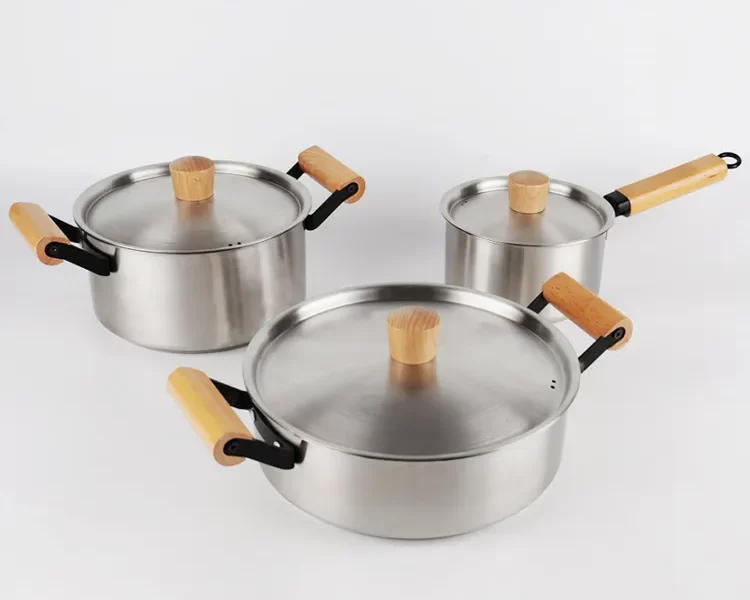
People often mix up “stainless steel pot” and “stainless steel pan,” but choosing the right one makes cooking easier and tastier. In this guide, Allnice, a stainless steel cookware wholesaler, starts with simple, practical advice for home cooks, then shifts into detailed sourcing and specification notes useful for buyers and procurement teams.
Quick, Consumer-Friendly Guide
Think of a stainless steel pot as the go-to for soups, stews, and anything needing lots of liquid. Pots are tall with straight sides and usually have a lid. Use a pot when you want to simmer, boil, or braise.
A stainless steel pan is shallow and wide. It’s built for frying, searing, and quick reductions where you want a big hot surface and fast evaporation. If you want a crispy sear or a quick stir-fry, reach for a pan.
Practical tips for home cooks:
- Want pasta or soup? Use a pot.
- Want to sear a steak or make stir-fry? Use a pan.
- Need both? A sauté pan (higher-sided pan) is a good hybrid.
- Lids slow evaporation and keep heat in—use them for pots and braises; leave them off for crisping in pans.
These are easy rules that make everyday cooking less guesswork. Now, if you’re selecting cookware to buy in volume—or specifying products for retail or a commercial kitchen—read on: the rest of this guide switches to procurement and technical guidance.
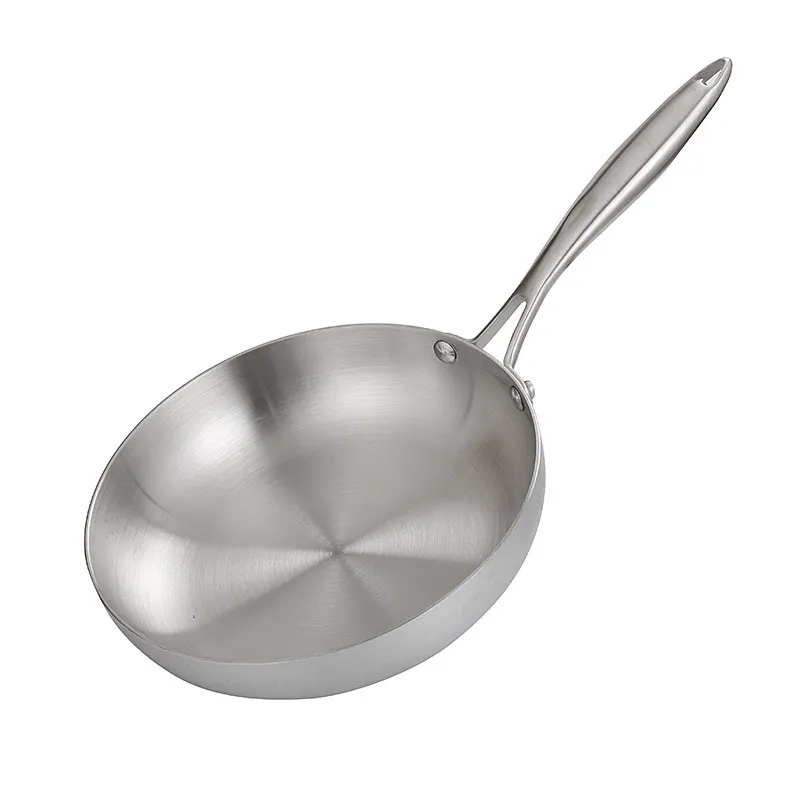
Stainless Steel Frying Pan
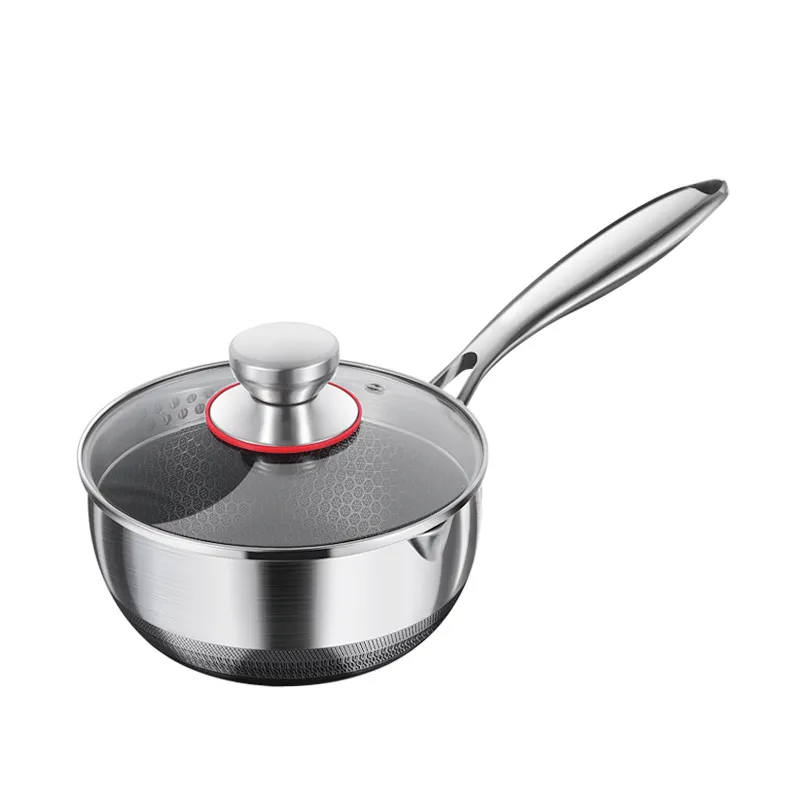
Stainless Steel Stewing Pot
Material & Construction
When evaluating cookware for retail assortments, commercial kitchens, or private-label programs, material choice and construction determine long-term performance and customer satisfaction. For stainless steel pots and pans, procurement teams should consider grade, layering (cladding), thickness, and finish.
Key material parameters:
- Stainless grade: 304 (18/8) is the industry standard for food contact; 316 is specified for high-chloride or coastal markets due to superior pitting resistance.
- Cladding: Single-layer stainless steel has limited thermal conductivity. Tri-ply (SS/Al/SS) or fully clad constructions combine stainless corrosion resistance with an aluminum core for even heating—essential for consistent consumer performance.
- Thickness/gauge: Specify body and base thickness separately. Typical ranges: body 0.5–1.0 mm; base/core total 2.0–6.0 mm, depending on SKU positioning (entry vs premium).
- Surface finish & Ra: Interior finish affects cleanability and adhesion if coatings are applied. Set measurable Ra targets for interior surfaces and require passivation certificates for welded assemblies.
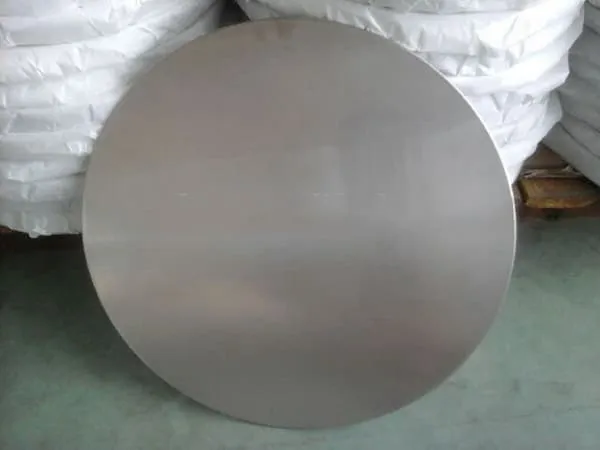
Mandatory documentation for B2B supply:
- Mill Certificate of Analysis (CoA) per batch.
- Finished-goods test reports: flatness, peel/shear for clad parts, Ra measurements, and passivation/electropolish reports.
- Migration/coating test reports when finishes or coatings are used (FDA/LFGB as market-appropriate).
Design Trade-Offs and Performance Considerations
For procurement, trade-offs are explicit and measurable when placing an order for stainless steel pots or pans:
- Heat response vs. retention: Pans require rapid surface response—specify thicker bases or full cladding. Pots prioritize retention; heavier walls and lids are acceptable.
- Weight and ergonomics: Heavy-gauge pots improve durability but increase handling load—define handle torque and lift ergonomics for target users (home vs commercial).
- Lid fit and sealing: Define lid tolerances to meet pressure/closure requirements (e.g., for braising or electric lunchbox integration).
- Finish consistency: For retail SKUs, require visual tolerance metrics and batch photographic records to control appearance across production.
Include these parameters in RFQs to get comparable quotes and avoid scope ambiguity.
Misconceptions to Avoid
- “Stainless = even heating.” Only if clad or with a conductive base.
- “Sample equals mass production.” Insist on pilot runs (300–500 units) to validate process stability.
- “Lowest price wins.” Lowest bids often reflect compromised material or finishing specs—specify tests and penalties.
Selection & Sourcing Checklist for Buyers
- Prepare a detailed spec sheet: material grades, clad structure, thickness, Ra targets, and lid tolerances.
- Request CoA and finished-goods test reports in RFQ.
- Approve a golden sample and require a pilot production run with FAI (First Article Inspection).
- Define AQL levels, acceptance criteria, and rework/penalty clauses in the PO.
- Plan logistics and packaging: SKU configuration impacts cartonization and freight efficiency.
Conclusion
For home cooks, a pot holds liquids and a pan delivers fast surface heat—simple and practical. For buyers and brands, the right stainless steel pot specification (grade, cladding, thickness, finish) determines product performance, warranty exposure, and retail acceptance. Align consumer-use expectations with measurable factory specifications to deliver cookware that performs in kitchens and at scale.
About Allnice
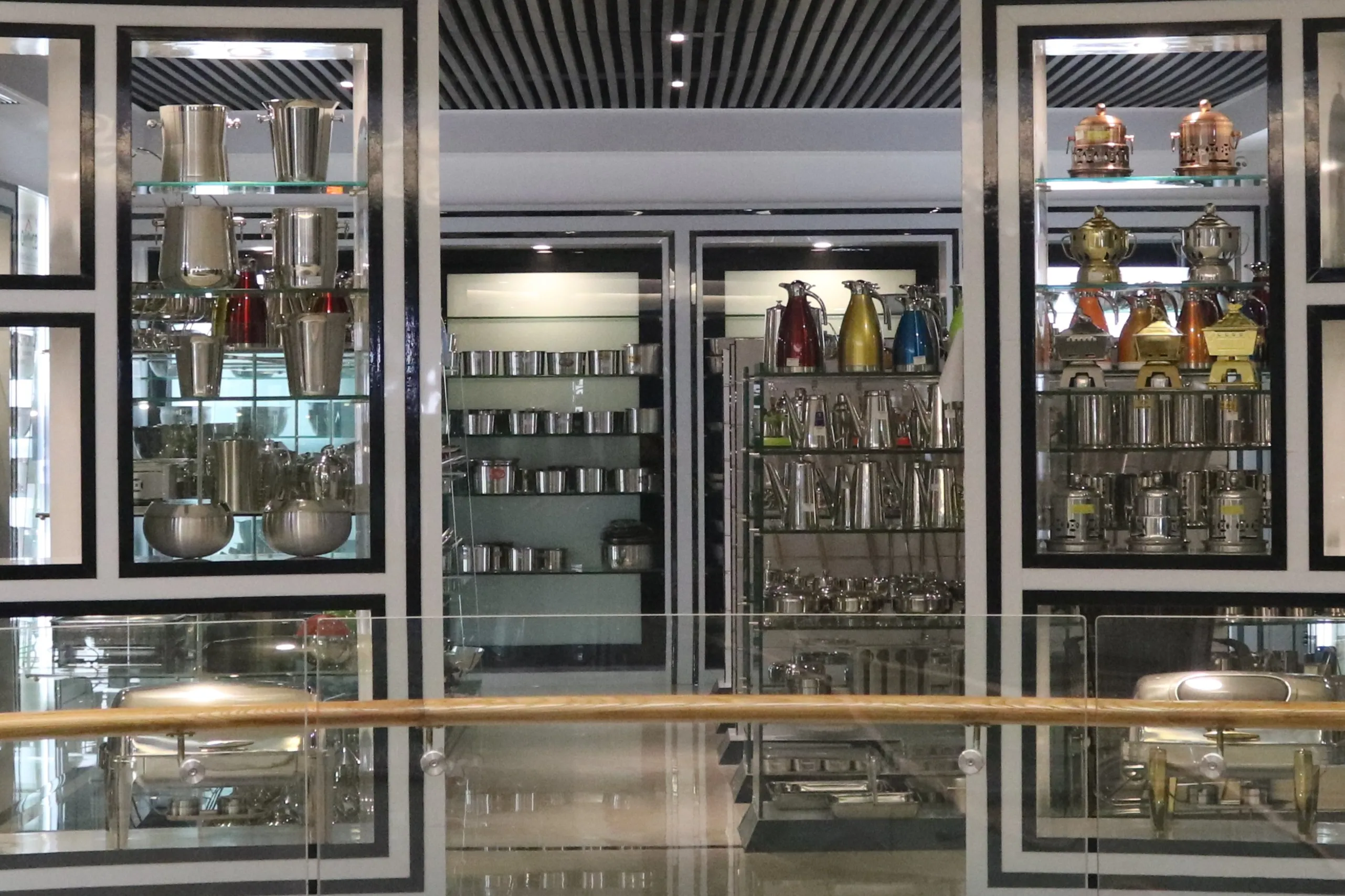
Allnice is a stainless steel catering supplies wholesaler specializing in the wholesale supply of stainless steel pots and pans for professional kitchens and commercial catering projects. Backed by our own manufacturing facilities, we combine stable production capacity with the flexibility to deliver custom stainless steel pots and pans solutions that reflect each brand’s functional and visual requirements.
Our engineering-driven approach allows us to explore new structures, finishes, and design details while maintaining consistent performance. All production is carried out under manufacturing systems aligned with internationally recognized safety and quality standards, making Allnice a reliable long-term factory partner for global buyers.