In commercial kitchens and catering operations, the words “pan” and “tray” are often used interchangeably — but they’re not the same thing. Choosing the right piece of equipment affects workflow, compatibility with ovens and holding units, sanitation, and total cost of ownership.
This article, delivered by Allnice, a professional stainless steel catering supplies wholesaler, explains the practical differences between GN (Gastronorm) pans and stainless steel food trays so procurement teams, chefs, and operations managers can make an informed choice.
What Each Item Is
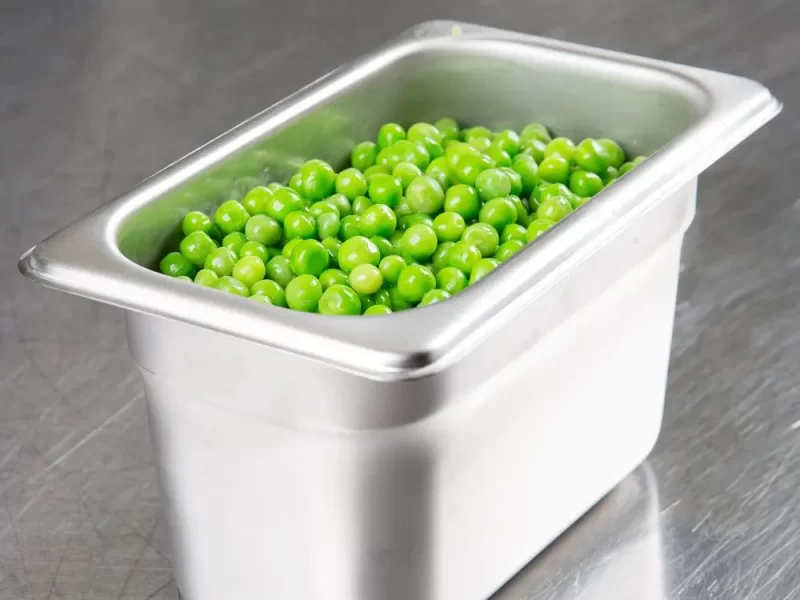
GN (Gastronorm) pan
GN pan is part of the standardized modular system (EN 631), which is built on 1/1 GN size: 530 × 325 millimeters. GN size fractions (1/1, 1/2, 1/3, 1/6, etc.) and various depths (20-150 millimeters or more) allow you to freely match various baking pans in grills, combination ovens, steam cabinets, and refrigerators. The design of the GN pan combines compatibility, stackability, and efficient hotel/buffet workflow.
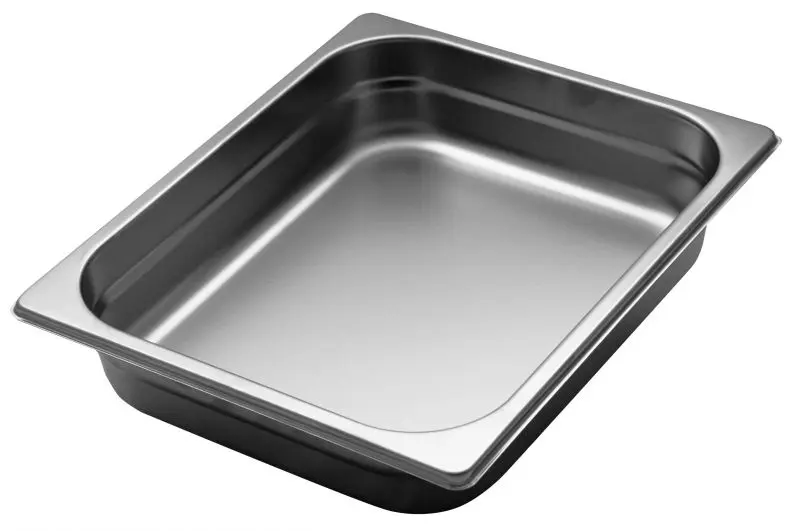
Stainless steel food tray
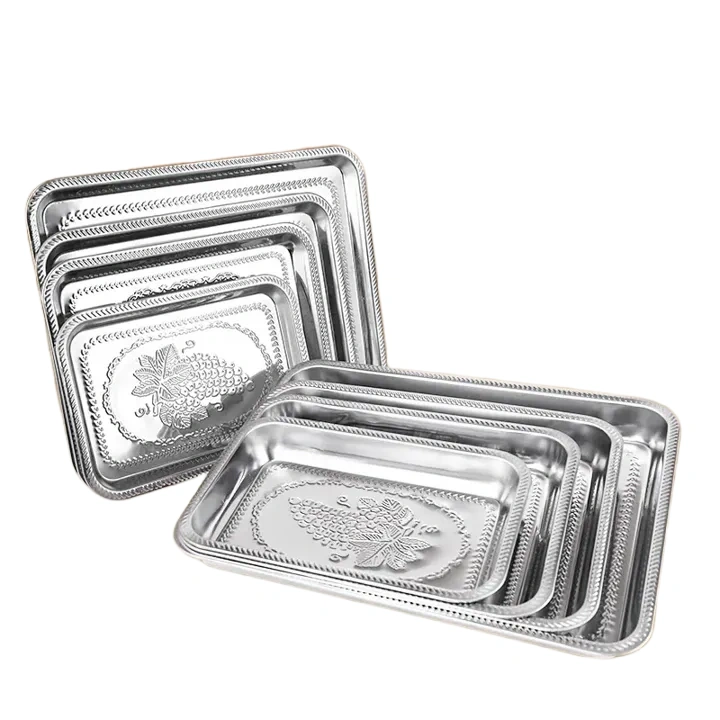
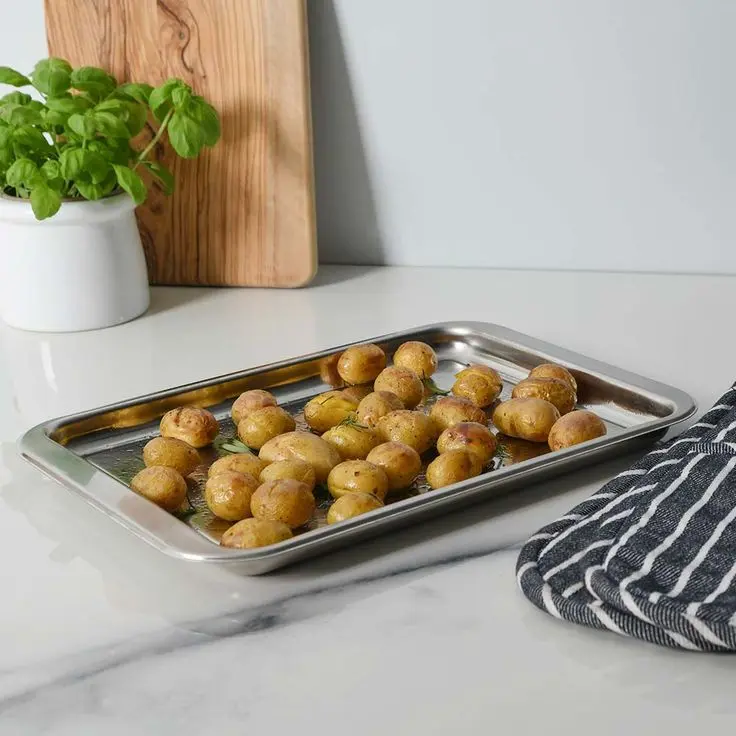
There are various types of stainless steel food trays, including baking trays, baking trays, meal trays, and transport trays. There are significant differences in size and edges. They are typically designed for baking, roasting, palletizing, and transportation, rather than interoperability with standardized equipment.
Key Dimensional Differences
- GN pans follow the Gastronorm matrix; buying GN means predictable fit and stacking behavior in GN-compatible equipment.
- Food trays come in many sizes (full sheet, half sheet, hotel pans) and may not fit GN racks or combi ovens unless specifically sized to GN fractions.
If you manage a banquet line or commissary, GN compatibility simplifies inventory and speeds turns. If you run a bakery, sheet pan sizes may matter more.
Construction & Material: What to Specify
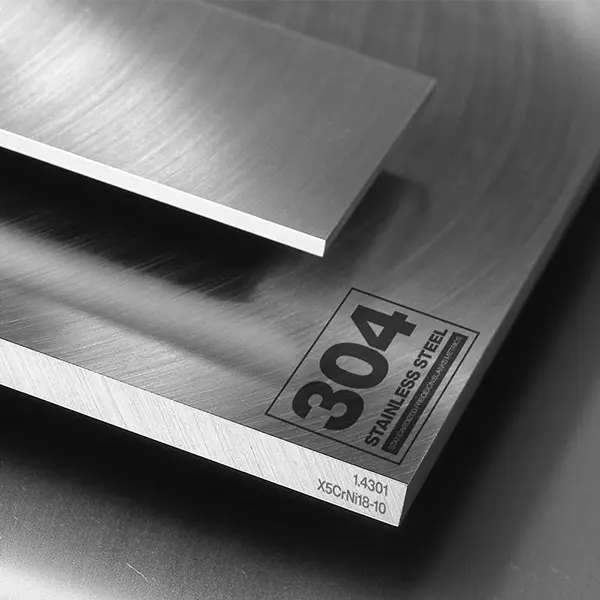
Gastronorm and stainless food trays are typically made of 18/10 (304) stainless steel for contact with food, but specifications vary depending on the purpose:
Gastronorm: usually using deep drawing or pressing technology, available in three styles: solid, perforated, or drained/steamed. Thicker specifications (0.8-1.2mm) can prevent warping in high-capacity kitchens. The edges have been reinforced for easy operation.
Stainless steel food tray: these trays are usually made of thick specification aluminum or stainless steel to avoid warping in the oven; The tray may use rolled edges and mirror or brushed finishes.
Procurement reminder: For batches used in corrosive or high-humidity environments, please request MTR and specify the minimum specifications for heavy-duty applications.
Functional Differences: Heating, Airflow, Drainage, and Stacking
- Thermal performance: The sheet-like food tray has been optimized to be heated directly in the oven, ensuring even browning of the food. GN pan is designed for steaming, double-layer steamers, combination ovens, and oven baking.
- Airflow and Drainage: Perforated GN pans and perforated food trays can improve airflow during baking or frying; a Solid GN pan can hold liquids for sauces and double-layered steamers.
- Stacking and Interchangeability: GN (gastronorm) pan can be stacked and interchanged on GN grills and cooking tables; Ordinary food trays cannot.
Operating instructions: Using non GN trays in GN devices may force the use of custom adapters or result in space waste.
Use-case Mapping: Where Each Shines
- GN pans: buffet and catering lines, combi ovens, steam tables, buffet wells, sous-vide, and refrigerated holding. Excellent for modular kitchens.
- Sheet / stainless food trays: bakeries, sheet roasting, room service trays, preparation and transport; ideal when full-sheet capacity and oven fit matter.
- Cross-over: some kitchens keep both — GN pans for service/hot-holding and food trays for baking and boarding.
Cleaning, Sanitation & Maintenance
Both types must withstand commercial dishwash cycles and passivation. Practical differences:
- GN pans: easier to stack and drain; perforated GN pans need ultrasonic or thorough brushing to remove trapped food; ensure passivation certificates for high-use lines.
- Food trays: sheet pans can warp if overloaded in high-temperature racks; enamel-coated trays risk coating damage and compliance issues.
Procurement checklist item: require dishwasher-cycle testing and warp specs (e.g., no visible warp after X cycles).
Procurement Checklist
For GN pans:
- Fraction & depth (e.g., 1/1 × 65 mm)
- Material grade (304), gauge (min 0.8 mm)
- Finish (satin/mirror), rolled rim spec
- Perforation % (if applicable)
- Passivation certificate and batch MTR
For stainless food trays:
- Exact external dimensions and radius tolerances
- Gauge and oven-warp spec
- Rim type (rolled/flat) and corner style
- Coating spec (if applicable) and oven-safe temperature rating
Decision Table
| Operation | Recommendation | Notes |
|---|---|---|
| Buffet / Catering / Hotel | GN pans | Modular, stackable, use GN fractions |
| Bakery / Sheet-roast | Food trays | Full/half sheets, heavy gauge to prevent warp |
| Mixed functions | Mixed fleet | Keep GN fractions that match common tray sizes; minimize SKUs |
About Allnice

Allnice stands as a leading stainless steel catering supplies supplier, delivering reliable custom stainless steel catering supplies solutions for hotels, restaurants, and commercial kitchens worldwide. With years of production expertise and strict quality control, we ensure every item meets global foodservice standards.
Our factory supports OEM and bulk customization, offering durable, stylish, and cost-efficient catering equipment that helps partners streamline operations and enhance presentation.
Conclusion
Choosing between GN pans and stainless food trays is a matter of fit-for-purpose, not preference. GN panels buy you interoperability and service-line efficiency; stainless food trays give you baking and transport flexibility. Procurement success is largely about matching product specs (gauge, finish, rim, MTR) to equipment and workflow requirements.