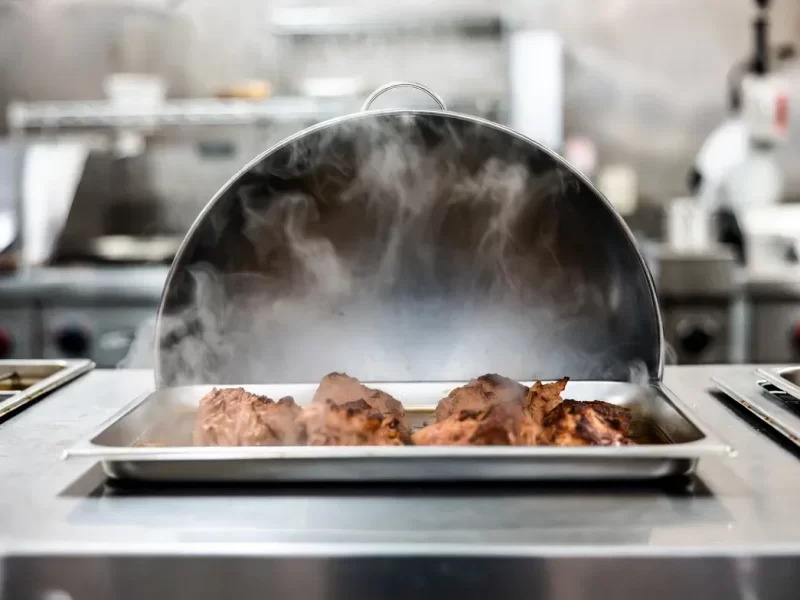
Food safety is the priority to consider, rather than price, for a b2b buyer because it is more of a risk control than a cost saving. When procurement teams, therefore, specify serveware for hotels, caterers, hospitals, or institutional kitchens, the decision is rarely aesthetic — it’s a food-safety decision.
In this blog, Allnice, a catering supplies wholesaler, compares the stainless steel serveware and the plastic one from a buyer’s perspective and explains why stainless steel serveware is often the safer, lower-risk choice for professional operations.
The Real Stake: Food Safety ≠ Marketing Copy
For B2B buyers, “food safety” means measurable risk control: chemical migration, microbial contamination, heat resilience, and documented compliance. A seemingly cheaper material that fails under real operating conditions becomes an expensive liability — through recalls, complaints, or regulatory action. Serveware selection should therefore be framed as a risk-management decision, not just a line-item cost call.
Chemical Migration and Material Stability
Plastic serveware can be formulated for food contact, but not all plastics behave the same under heat, oil, acid, or repeated sanitation cycles. High temperatures and fatty foods increase the risk of additive migration (plasticizers, stabilizers) into food if the polymer is not properly specified and tested for the intended use.
By contrast, stainless steel serveware is chemically inert in normal food service conditions. Proper grades (e.g., 304) resist corrosion and do not leach organic additives. For purchasers, that means fewer questions about migration tests, simpler compliance across markets, and lower long-term toxicology risk exposure.
Heat, Sanitation, and Cleaning Resilience
Commercial kitchens rely on high-temperature dishwashing, steam sterilization, and strong detergents. Plastic parts can warp, discolor, crack, or develop micro-scratches that trap food and bacteria — precisely the conditions that undermine hygiene.
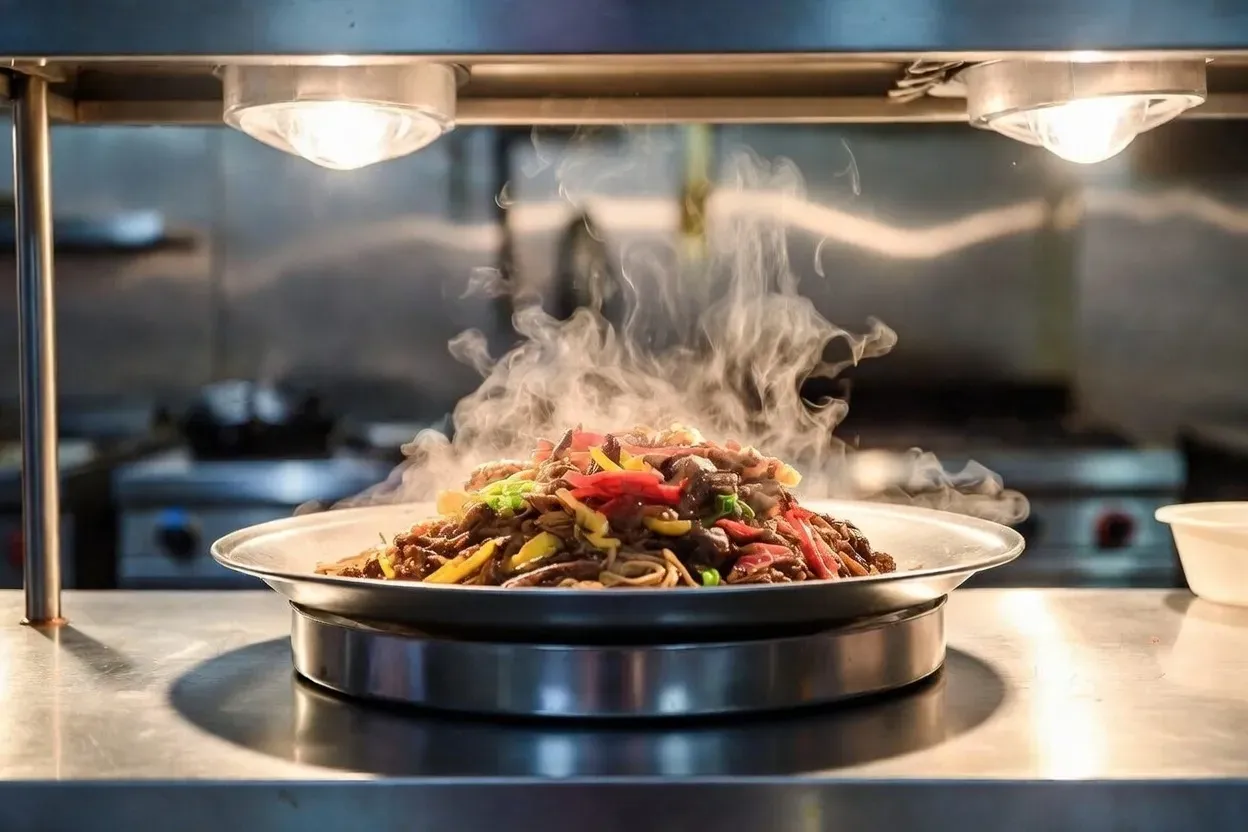
Stainless steel serveware withstands repeated thermal cycles and harsh cleaning agents without dimensional change. Its non-porous, non-absorbent surface is easier to sanitize and can be validated with simple ATP or swab tests. In high-frequency environments (buffets, institutional dining, central kitchens), reliability matters.
Surface Degradation and Microbial Risk
Surface roughness and micro-damage increase bacterial adhesion. Scratched plastics have a higher surface area and may shelter biofilm formation; even dishwasher cycles can accelerate micro-abrasion.
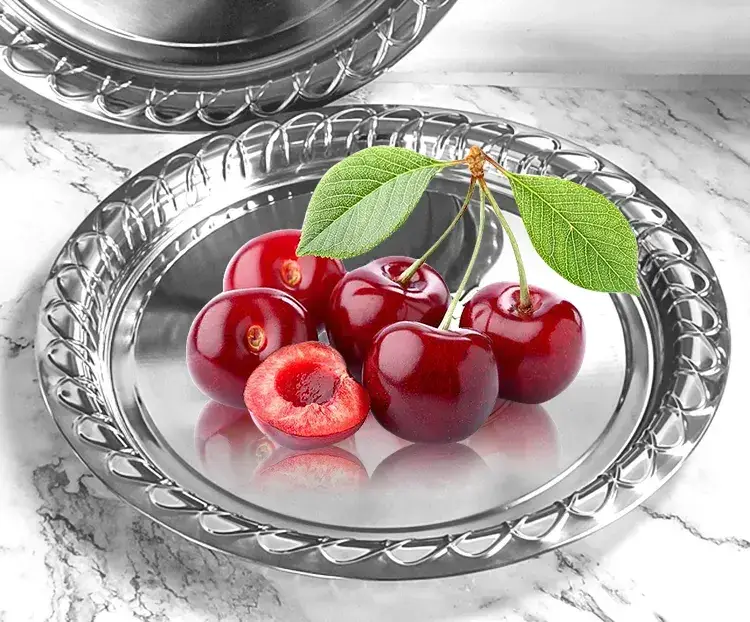
Stainless steel serveware’s smooth finishes (polished or satin) maintain low surface roughness (Ra) under normal use and withstand re-polishing if needed. That stability reduces microbial harborage and simplifies verification during food-safety audits.
Regulatory & Cross-market Compliance
Plastic components often require more complex documentation: polymer declarations, migration tests, and formulation disclosures. For multinational buyers, plastic formulations that pass one market’s tests may still fail another’s.
Stainless steel serveware typically requires a simpler compliance package (mill CoA, material grade, passivation records). The lower variance in regulatory testing makes stainless a safer choice when you need a single SKU to serve multiple markets or central purchasing with diverse end-customers.
Total Cost of Ownership (TCO): Short Term Vs Long Term
Upfront, certain plastic items may appear cheaper. But TCO for serveware must factor in:
- Shortened lifespan and replacement frequency for damaged plastic pieces
- Higher cleaning and inspection time (more labor cost)
- Risk-related costs from non-compliance or complaints
- Disposal and replacement logistics
Stainless steel carries a higher initial cost but offers longer service life, lower sampling/test frequency, and lower contamination risk — often resulting in lower TCO for professional buyers.
Use-case Matrix: Match Material to Risk Profile
- High-risk foodservice (buffets, hospitals, eldercare): Acero inoxidable — preferred for heat, cleaning, and auditability.
- Outdoor, one-time events or very cost-sensitive disposable needs: Food-grade plastic (single-use certified) may be appropriate if managed correctly.
- Hybrid solutions (rental companies): Stainless steel for core items; plastic for specific disposable elements.
This matrix helps procurement teams standardize SKUs according to risk and operational profile.

Procurement Checklist: What to Require from Suppliers
When evaluating serveware offers, require verifiable documentation and practical evidence:
- For stainless steel serveware: mill CoA (grade 304/316), passivation certificate, Ra specification for food contact surfaces, and dishwasher/corrosion test reports.
- For plastic serveware: full polymer declaration, third-party migration tests for intended food types (fatty, acidic, hot), and thermal-cycle stability reports.
- Insist on sample test runs in your kitchen (real food, real cycles).
- Specify acceptance criteria (no visible deformation after X cycles, no discoloration, measurable Ra limit).
Document these requirements in RFQs and purchase contracts to make compliance auditable.
Sustainability and Waste Considerations
Many buyers are including sustainability as one of their purchase criteria. Stainless steel is completely recyclable and retains its value when recycled. It is used to support repair and refurbishment processes. While plastics are recyclable, mixed plastics or plastics with coatings are difficult to recycle and can pose problems for end-of-life waste management.
From an ESG viewpoint, stainless steel serveware often aligns better with long-term sustainability commitments.
Conclusión
If your primary concern is minimizing food safety risk, ensuring hygiene consistency, and streamlining compliance across multiple markets, your default choice for serveware should be stainless steel. Plastic should be used when it makes operational sense, but it should always be justified with rigorous data on migration and thermal stability.
Procurement is risk management; it is specifying materials, verifying documentation, verifying in your environment, and choosing the option that minimizes future risk.
Acerca de Allnice
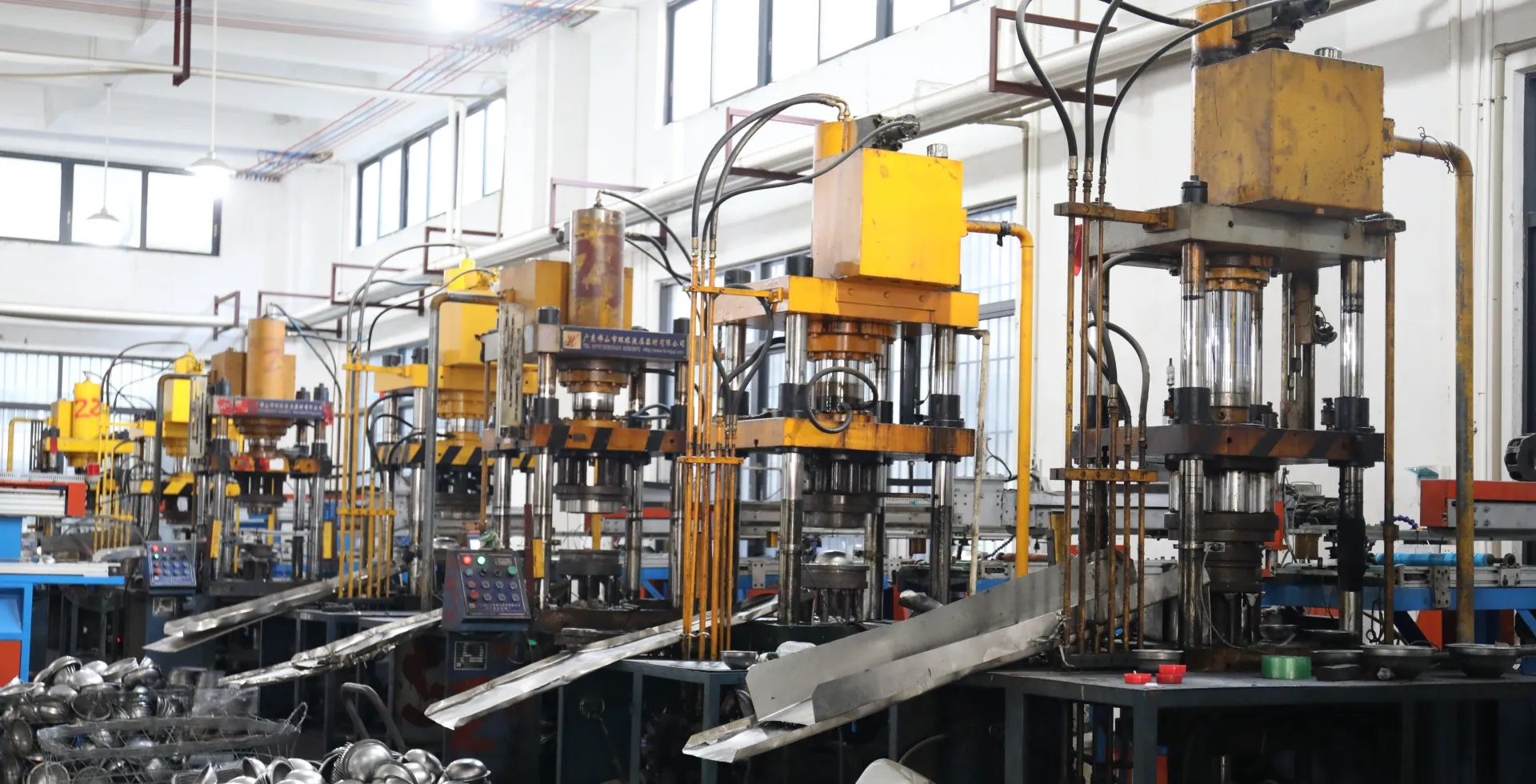
Allnice is a professional stainless steel mayorista de suministros de catering focused on stable, long-term supply for hotels, caterers, institutional kitchens, and foodservice distributors. Allnice supports B2B buyers who prioritize food safety, hygiene, and regulatory compliance over short-term cost savings. Our factory offers consistent batch quality, documented material compliance, and reliable delivery for high-frequency commercial use. For professional clients, Allnice provides custom stainless steel serveware solution including material grade selection, dimensions, surface finish, logo marking, and private-label packaging—helping buyers standardize SKUs, control risk, and scale procurement across multiple foodservice operations.