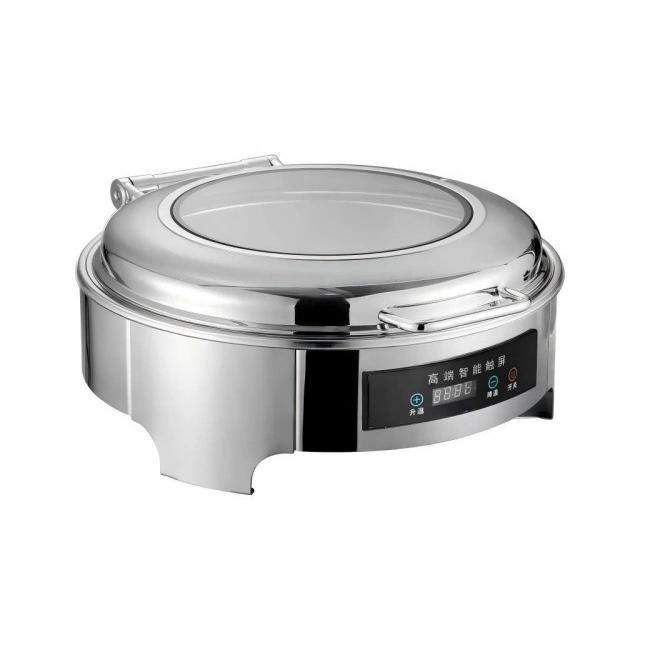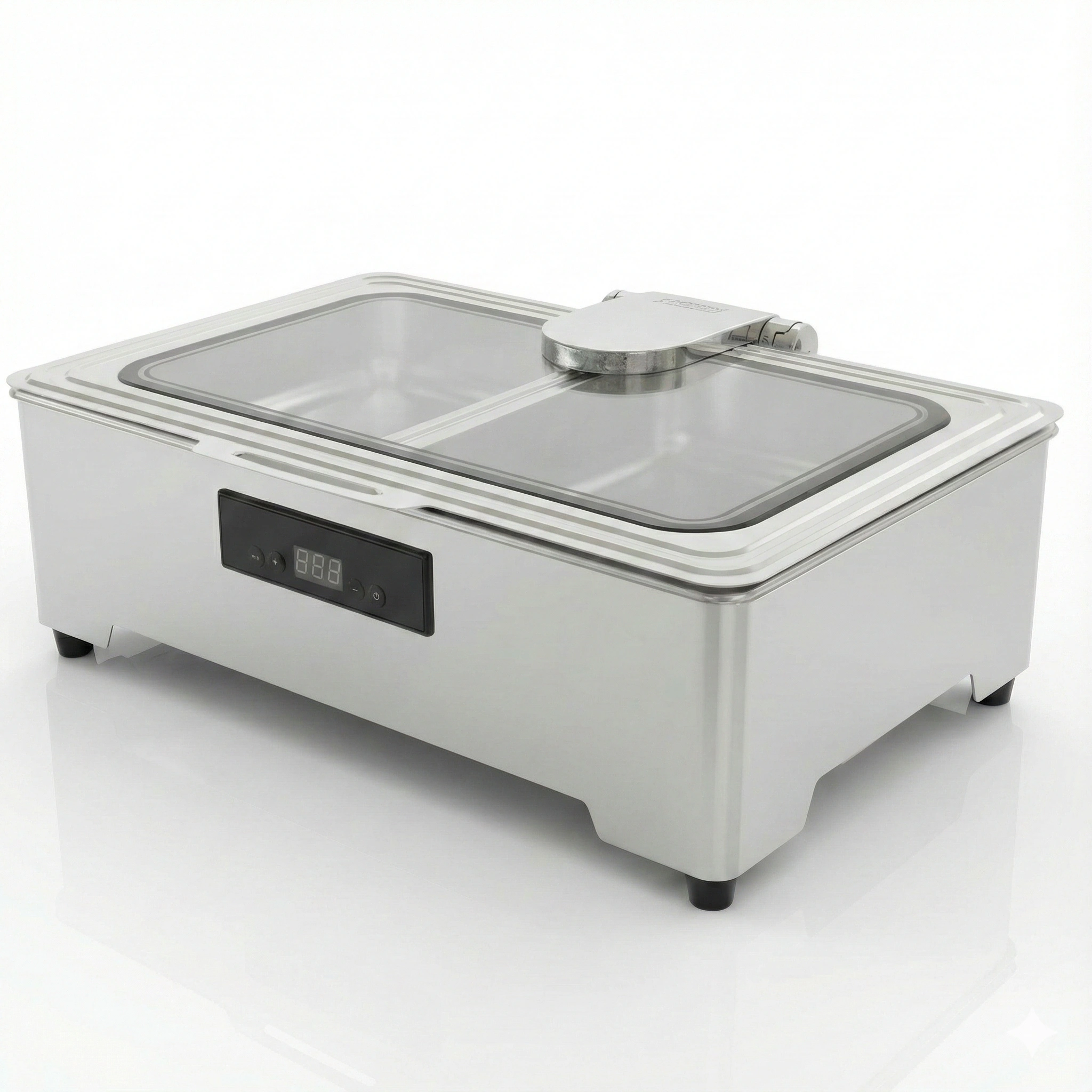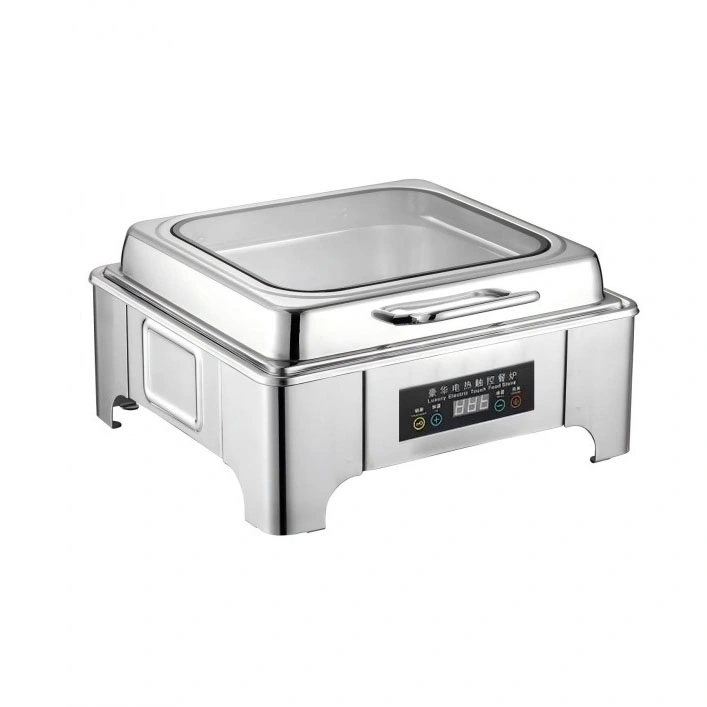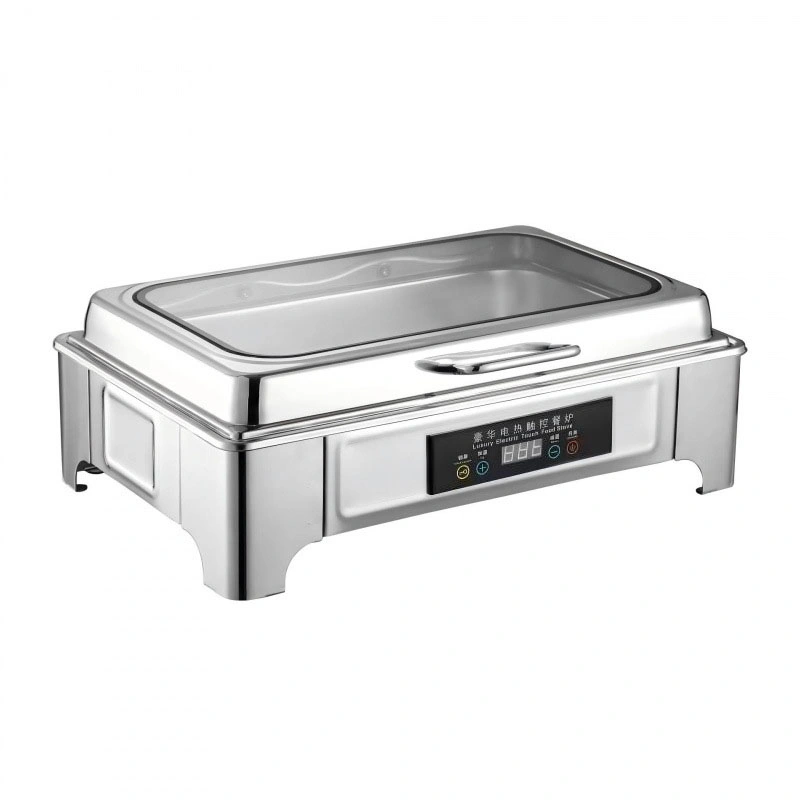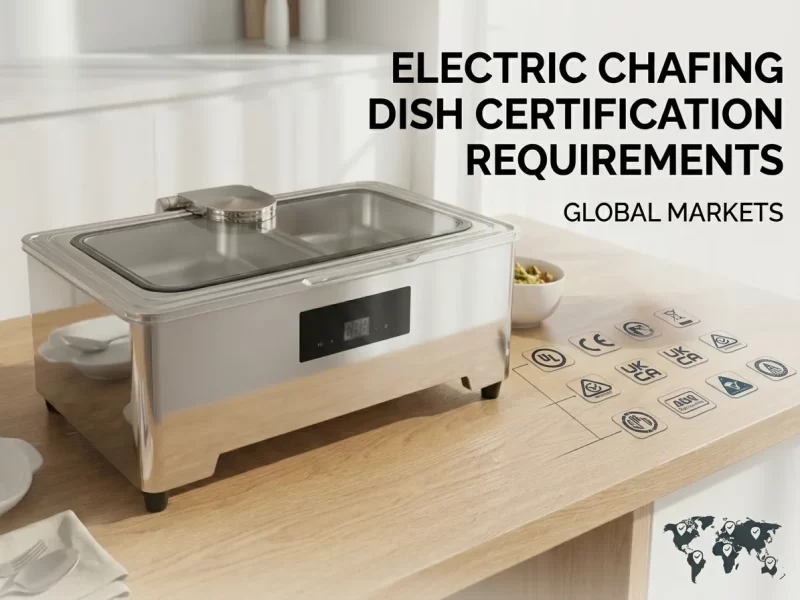
يُعد فهم شروط اعتماد أطباق التسخين الكهربائية أمرًا ضروريًا للمشترين العالميين لضمان سلامة المنتج، والامتثال للقوانين، وسلاسة إجراءات التخليص الجمركي. اعتمادًا على السوق المستهدفة، قد تكون هناك حاجة إلى شهادات مثل CE وUL وETL وNSF وCB وRoHS. ويساعد اختيار مصنع OEM/ODM ذي خبرة يتمتع بخبرة شاملة في مجال الامتثال على تقليل مخاطر الاستيراد، وتسريع دخول السوق، وبناء مصداقية العلامة التجارية على المدى الطويل. ألنيس تدعم الشركة المشترين من جميع أنحاء العالم بمعدات بوفيه كهربائية مصممة خصيصًا وفقًا لاحتياجاتهم، مدعومة بضوابط صارمة لمراقبة الجودة وخبرة واسعة في مجال التصدير.
لماذا تعتبر شهادة أجهزة التسخين الكهربائية مهمة؟
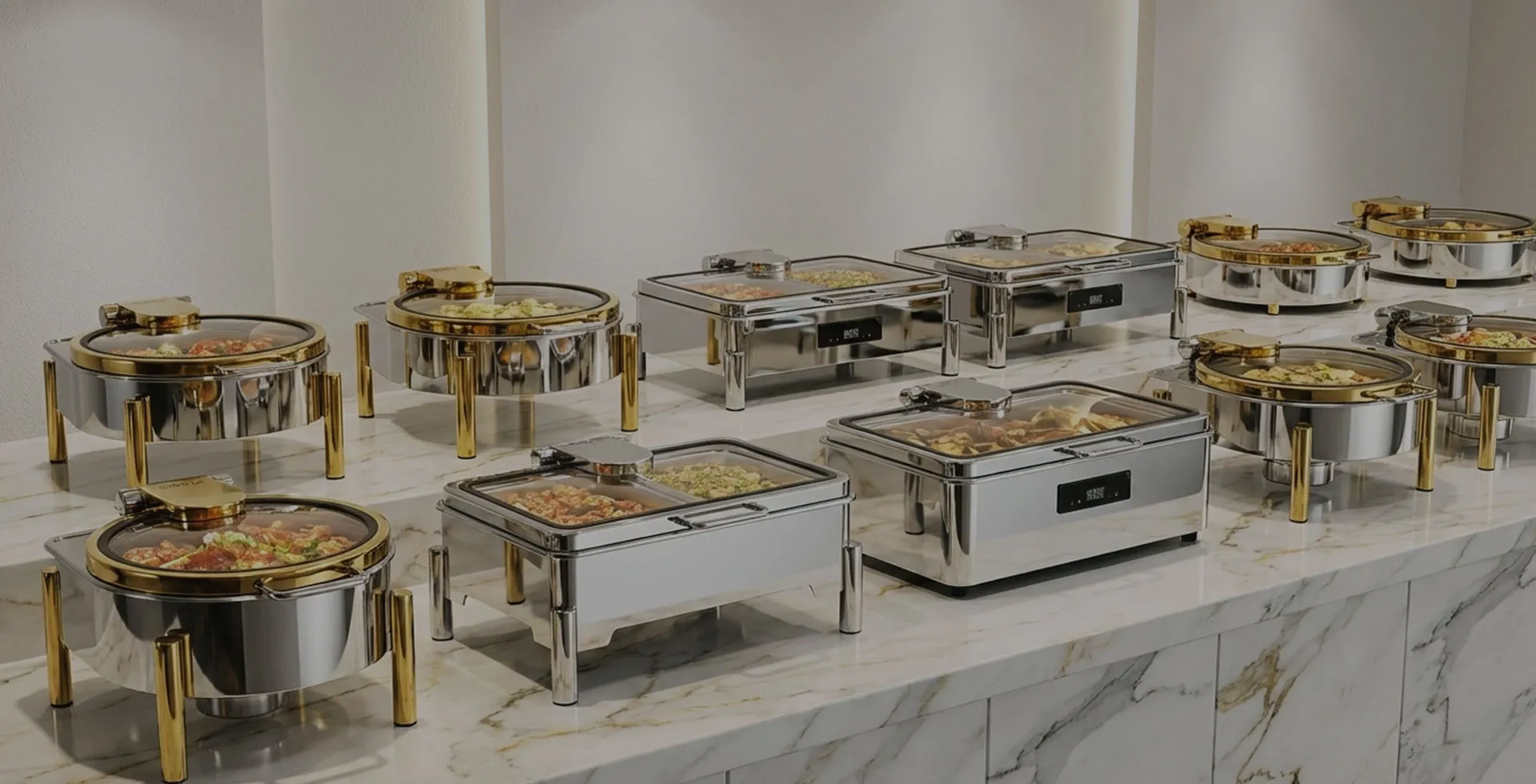
أصبحت أطباق التسخين الكهربائية تحظى بشعبية متزايدة في الفنادق والمطاعم وقاعات الحفلات وشركات تقديم الطعام والسفن السياحية ومؤسسات خدمات الطعام. وبالمقارنة مع معدات البوفيه التقليدية التي تعمل بالوقود، توفر الطرز الكهربائية تحكمًا دقيقًا في درجة الحرارة وكفاءة أفضل في استهلاك الطاقة ومستوى أعلى من السلامة.
ومع ذلك، بالنسبة للمستوردين والموزعين وتجار الجملة والعلامات التجارية الخاصة، فإن اختيار منتج جذاب ليس سوى جزء من عملية الشراء. وتعد شهادة أطباق التسخين الكهربائية أحد أهم الاعتبارات التي يجب أخذها في الحسبان.
بدون الشهادات المناسبة، قد تفشل المنتجات في اجتياز عمليات التفتيش الجمركية، أو تواجه قيودًا على الاستيراد، أو يتم رفضها من قِبل الموزعين والعملاء التجاريين. إن فهم متطلبات اعتماد أطباق التسخين الكهربائية قبل بدء الإنتاج يساعد المشترين على تجنب التأخيرات المكلفة والمشكلات التنظيمية.
على عكس أطباق التسخين التقليدية المصنوعة من الفولاذ المقاوم للصدأ، تشتمل الطرز الكهربائية على عناصر تسخين، وأجهزة تحكم في درجة الحرارة، وأنظمة أسلاك كهربائية، ومقابس، وعزل كهربائي. وتفرض هذه المكونات الكهربائية متطلبات أمان إضافية تختلف باختلاف الأسواق الدولية.
تساعد الشهادة المناسبة لأجهزة التسخين الكهربائية على ضمان أن المنتجات:
- الالتزام بلوائح السلامة الكهربائية
- الحد من مخاطر الحريق والصعق الكهربائي
- الالتزام بمتطلبات المواد الملامسة للأغذية
- اجتياز عمليات التفتيش الجمركية بكفاءة
- تعزيز ثقة العملاء
- دعم سمعة العلامة التجارية على المدى الطويل
للأغراض التجارية معدات خدمات الطعام, ، غالبًا ما تكون الشهادة شرطًا أساسيًّا للانضمام إلى الفنادق وشركات تقديم الطعام ومرافق الرعاية الصحية والمطابخ المؤسسية. كما يشترط العديد من الموزعين تقديم دليل على الامتثال قبل قبول موردين جدد.
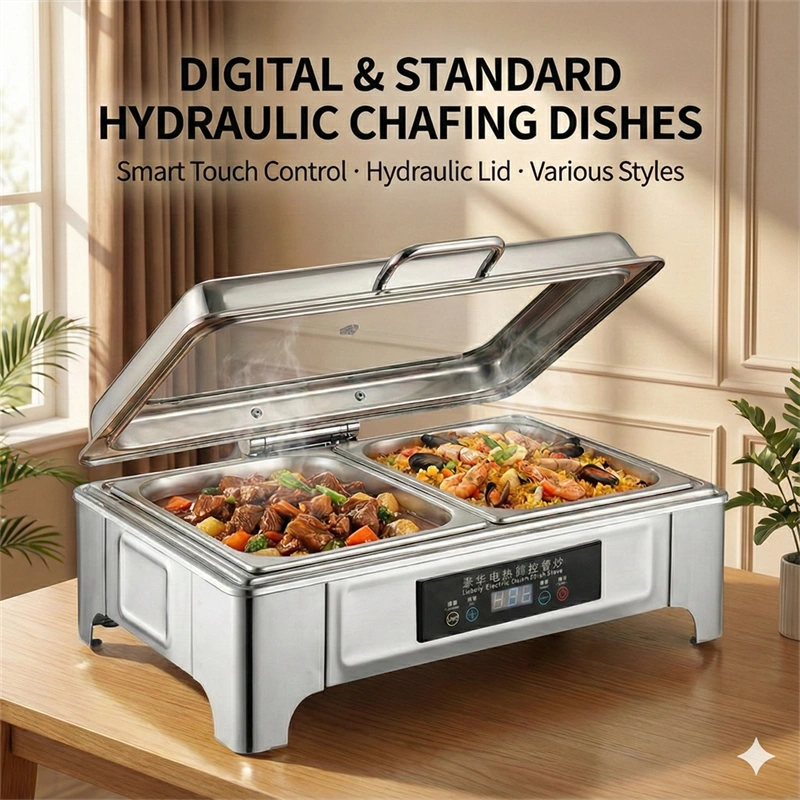
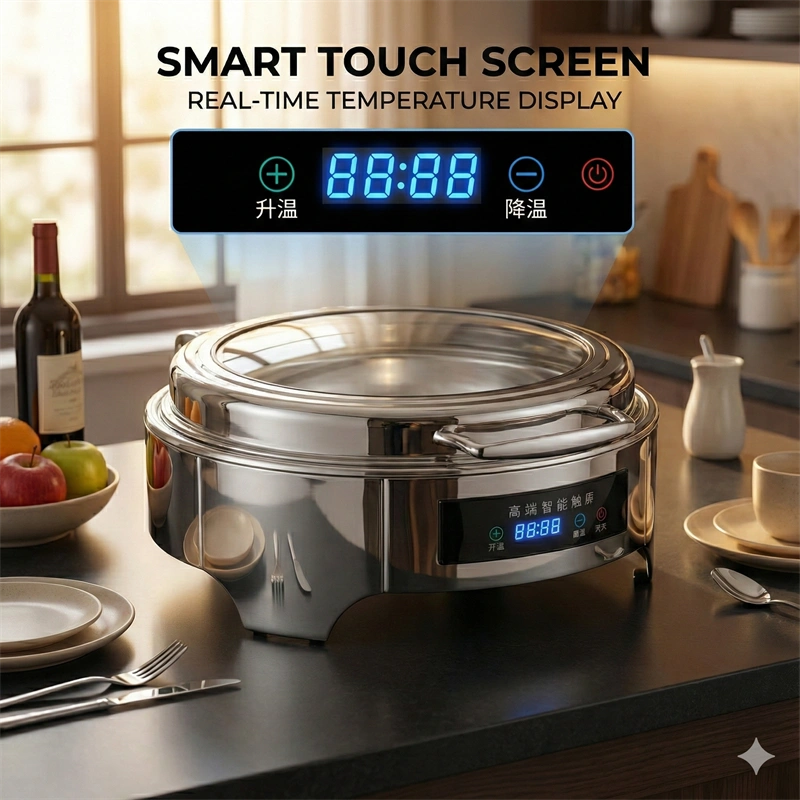
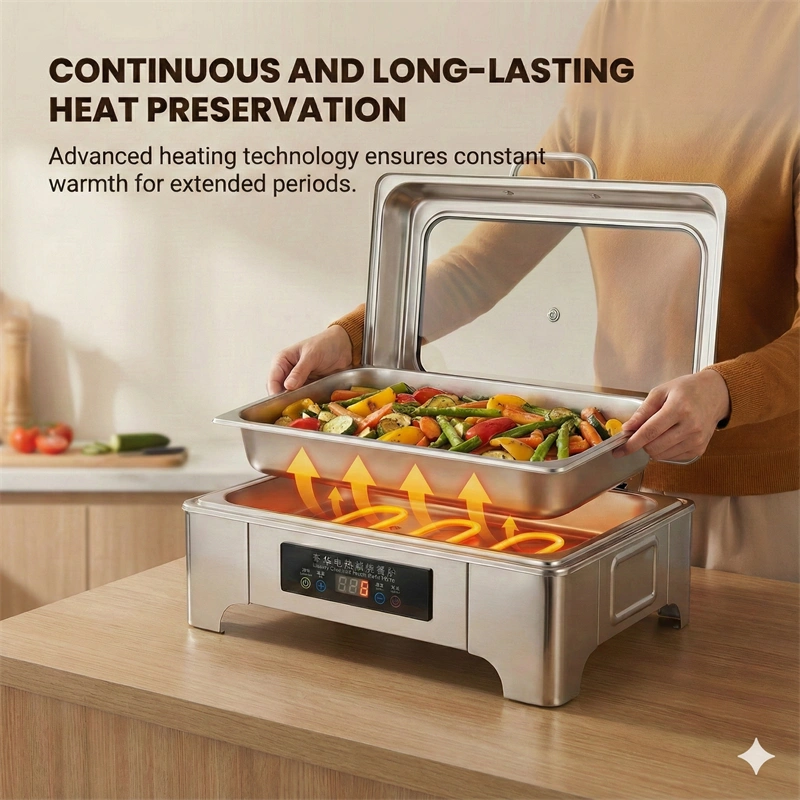
شرح أهم شهادات اعتماد أجهزة التسخين الكهربائية
تعترف الدول المختلفة بأنظمة شهادات مختلفة. ومن الضروري، عند شراء معدات البوفيه، معرفة الشهادات التي تنطبق على السوق المستهدف.
شهادة CE (الاتحاد الأوروبي)
بالنسبة للمنتجات التي تُباع داخل المنطقة الاقتصادية الأوروبية (EEA)،, علامة CE يُطلب عمومًا إثبات الامتثال للتشريعات السارية في الاتحاد الأوروبي المتعلقة بالسلامة الكهربائية، والتوافق الكهرومغناطيسي (EMC)، والتوجيهات الأخرى ذات الصلة.
بالنسبة لمعدات البوفيه الكهربائية، يقوم المصنعون عادةً بتقييم مدى الامتثال لتوجيهات الجهد المنخفض (LVD) السارية، وتوجيهات التوافق الكهرومغناطيسي (EMC)، ومتطلبات RoHS قبل وضع علامة CE.
بالنسبة للمشترين الذين يستهدفون السوق الأوروبية، يُعد الامتثال لمعايير CE أحد أهم متطلبات اعتماد أطباق التسخين الكهربائية.
الأسواق المناسبة
- الاتحاد الأوروبي
- دول المنطقة الاقتصادية الأوروبية
المزايا
- الوصول القانوني إلى الأسواق
- زيادة ثقة الموزعين
- تسهيلات التخليص الجمركي
شهادة UL أو ETL (الولايات المتحدة)
لا تشترط الولايات المتحدة وجود علامة CE. وبدلاً من ذلك، تُثبت السلامة الكهربائية عادةً من خلال شهادة صادرة عن مختبر اختبار معترف به على الصعيد الوطني (NRTL)، مثل UL أو ETL, ، وفقًا لمتطلبات العملاء واللوائح التنظيمية. وعادةً ما يتم تقييم أجهزة الطهي الكهربائية التجارية من أجل ANSI/UL 197.
يفضل العديد من مشغلي المطابخ التجارية وسلاسل المطاعم وأقسام المشتريات المعدات التي تحمل علامات شهادات اعتماد معترف بها من NRTL.
الأسواق المناسبة
- الولايات المتحدة
المزايا
- تحسين مستوى قبول المنتج
- زيادة ثقة المشترين
- الالتزام بمتطلبات المشتريات التجارية
شهادة NSF
في حين تركز السلامة الكهربائية على الوقاية من المخاطر الكهربائية،, شهادة NSF تتناول هذه المعايير قضايا الصرف الصحي، والتصميم الصحي، وسلامة المواد الملامسة للأغذية، وسهولة التنظيف، وأداء المنتجات فيما يتعلق بالمعدات الغذائية التجارية. وتحظى شهادة NSF باعتراف واسع النطاق في جميع أنحاء قطاع خدمات الأغذية، وتساعد الشركات المصنعة على إثبات امتثالها لمعايير سلامة الأغذية.
بالنسبة للفنادق والمستشفيات والمدارس والمطابخ المؤسسية،, معدات غذائية حاصلة على شهادة NSF غالبًا ما يحظى بقبول أكبر في السوق.
الأسواق المناسبة
- الولايات المتحدة
- كندا
- مشاريع الضيافة الدولية
المزايا
- تعزيز مصداقية سلامة الأغذية
- تحسن مستوى القبول لدى المطابخ التجارية
- تعزيز المكانة التنافسية
شهادة برنامج CB
إن برنامج CB, ، الذي يعمل في إطار نظام IECEE، يُبسط التجارة الدولية من خلال السماح بالاعتراف بتقارير الاختبارات الكهربائية في العديد من الدول المشاركة.
بدلاً من إعادة إجراء الاختبارات الكاملة لكل سوق مستهدف، يمكن للمصنعين في كثير من الأحيان الاستفادة من وثائق الشهادات الدولية (CB) عند التقدم للحصول على الشهادات الوطنية.
بالنسبة للمصدرين الذين يتعاملون مع عدة دول، يمكن أن تؤدي المشاركة في برنامج CB إلى خفض تكاليف الاعتماد بشكل كبير وتقصير المدة الزمنية اللازمة للحصول على الموافقة.
الأسواق المناسبة
- أوروبا
- آسيا
- الشرق الأوسط
- أستراليا
- أمريكا الجنوبية
المزايا
- تصاريح دولية أسرع
- تقليل تكرار الاختبارات
- تكاليف اعتماد أقل
الامتثال لمعايير RoHS
تتطلب العديد من الأسواق الدولية أن تتوافق المعدات الكهربائية مع RoHS (تقييد استخدام المواد الخطرة) اللوائح.
تحدد لائحة RoHS حدودًا للمواد الخطرة مثل:
- الرصاص (Pb)
- الزئبق (Hg)
- الكادميوم (Cd)
- الكروم سداسي التكافؤ (Cr6+)
- PBB
- PBDE
على الرغم من أن اتفاقية RoHS تركز في المقام الأول على حماية البيئة، إلا أنها أصبحت عنصراً مهماً في عملية اعتماد أطباق التسخين الكهربائية بالنسبة للعديد من المشترين العالميين.
الامتثال لتوجيهات REACH
بالنسبة للمنتجات التي تدخل السوق الأوروبية،, REACH تتناول اللوائح السلامة الكيميائية واستخدام المواد التي تثير قلقاً بالغاً (SVHCs).
على الرغم من أن معدات البوفيه المصنوعة من الفولاذ المقاوم للصدأ لا تنطوي عمومًا على صعوبات كبيرة فيما يتعلق بالامتثال للمعايير، إلا أن المقابض البلاستيكية والكابلات الكهربائية والطلاءات ومواد التغليف قد تتطلب تقديم وثائق من المورد.
الشركات المصنعة المتخصصة وعادةً ما يعملون عن كثب مع موردي المواد للحفاظ على سجلات الامتثال محدثة.
متطلبات الاعتماد حسب الأسواق التصديرية الرئيسية
تختلف المتطلبات التنظيمية باختلاف المناطق. إن فهم متطلبات السوق المستهدفة قبل بدء الإنتاج يساعد على تجنب التأخيرات غير الضرورية وتكاليف إعادة التصميم.
| السوق | متطلبات الاعتماد النموذجية |
|---|---|
| الاتحاد الأوروبي | CE، RoHS، REACH |
| الولايات المتحدة | شهادات UL أو ETL، والامتثال لمعايير إدارة الغذاء والدواء الأمريكية (FDA) فيما يتعلق بالتلامس مع الأغذية (حيثما ينطبق ذلك)، وشهادة NSF للعديد من المشاريع التجارية |
| كندا | CSA أو cETL، NSF (القطاع التجاري) |
| أستراليا ونيوزيلندا | اعتماد السلامة الكهربائية، ونهج إدارة الأعطال (RCM) حيثما ينطبق ذلك |
| الشرق الأوسط | غالبًا ما تدعم الموافقات الكهربائية الخاصة بكل بلد وتقارير CB عملية الاعتماد |
| جنوب شرق آسيا | تختلف المتطلبات باختلاف البلد؛ حيث يطلب العديد من المشترين وثائق CE أو CB |
بدلاً من الافتراض بأن شهادة واحدة تكفي لجميع الأسواق، ينبغي على المشترين التأكد من المتطلبات الخاصة بكل وجهة من خلال الاطلاع على اللوائح المحلية والتشاور مع العملاء قبل تقديم أوامر الإنتاج.
كيف ينبغي للمشترين التحقق من شهادة اعتماد أطباق التسخين الكهربائية
بالنسبة للمستوردين، لا ينبغي أبدًا التعامل مع الشهادة على أنها مجرد شعار مطبوع على عرض الأسعار أو كتيب المنتج. قبل تقديم طلب شراء بالجملة، يجب على المشترين التحقق مما إذا كانت الشهادة تنطبق فعليًّا على متطلبات اعتماد أطباق التسخين الكهربائية في سوق الوجهة وعلى طراز المنتج المحدد.
1. تحقق من رقم الشهادة
اطلب من المورد ما يلي:
- رقم الشهادة
- هيئة الاعتماد
- طراز المنتج
- اسم الشركة المصنعة
- موقع التصنيع
- المعيار المطبق
- تاريخ الإصدار
- الصلاحية أو حالة الإدراج
إن شهادة خاصة بمنتج مشابه في الشكل لا تثبت تلقائيًا أن النموذج المخصص الخاص بك مشمول بالضمان.
2. التحقق من الشركة المصنعة والطراز
يجب أن يتطابق اسم الشركة المصنعة المذكور في الشهادة مع المورد الفعلي أو الشركة المصنعة المسؤولة قانونًا والمشاركة في مشروعك.
ويعد هذا الأمر مهمًا بشكل خاص بالنسبة لطلبات تصنيع المعدات الأصلية (OEM) وتصنيع التصميم الأصلي (ODM). فإذا قام المصنع بتغيير عنصر التسخين، أو منظم الحرارة، أو لوحة التحكم، أو سلك الطاقة، أو القابس، أو الهيكل الخارجي، أو أي مكونات أخرى ذات أهمية حاسمة للسلامة، فقد لا تغطي الشهادة الأصلية التكوين المعدل بعد ذلك.
توضح مؤسسة العلوم الوطنية (NSF) أن عملية الاعتماد تشمل مراجعة الوثائق وتقييم المنتج وإجراء الاختبارات وأنشطة الاعتماد، وليس مجرد اختبار المنتج النهائي.
3. التحقق من هيئة إصدار الشهادات
بالنسبة للمنتجات الكهربائية التي تدخل أسواق أمريكا الشمالية، ينبغي على المشترين إيلاء اهتمام خاص لمنظمات الاختبار والاعتماد المعترف بها.
في الولايات المتحدة وكندا، يجب أن تتوافق المعدات الغذائية التجارية التي تحتوي على مكونات كهربائية مع القوانين الكهربائية المعمول بها ومتطلبات الاعتماد. وتشير منظمة NSF إلى أن متطلبات NEC وCEC قد تتضمن الحصول على شهادة من مختبر اختبار معترف به على المستوى الوطني (NRTL) و/أو هيئة اعتماد معتمدة.
بالنسبة للمشاريع الدولية، قد يواجه المشترون أيضًا متطلبات المطابقة المتعلقة بشهادات UL وETL وCSA وCB Scheme وCE، أو غيرها من المعايير الخاصة بأسواق معينة.
يعتمد التصنيف الصحيح على:
- بلد المقصد
- فئة المنتج
- الجهد المقنن
- طريقة التسخين
- المكونات الكهربائية
- الاستخدام التجاري أو المنزلي
- اللوائح الوطنية المعمول بها
لذلك،, مورد محترف ينبغي أن يساعد ذلك المشترين على تحديد المسار المناسب للامتثال، بدلاً من الاكتفاء بتقديم قائمة عامة بالشهادات.
الشهادة لا تعني بالضرورة الامتثال لمعايير ملامسة الأغذية
ومن الاعتبارات المهمة الأخرى التمييز بين السلامة الكهربائية، والسلامة المتعلقة بالتلامس مع الأغذية، والتصميم الصحي/الصحي.
يمكن أن يتضمن جهاز التسخين الكهربائي عدة مجالات مختلفة تتعلق بالامتثال:
السلامة الكهربائية
ويشمل ذلك مخاطر مثل:
- صعقة كهربائية
- ارتفاع درجة الحرارة
- الدوائر القصيرة
- فشل العزل
- مخاطر الحريق
- تشغيل غير طبيعي
المواد الملامسة للأغذية
قد تتطلب المكونات التي تتلامس بشكل مباشر أو غير مباشر مع الأغذية إجراء تقييم وفقًا للوائح السوق المقصودة.
على سبيل المثال، توضح مؤسسة العلوم الوطنية (NSF) أن المواد التي تتلامس مع الأغذية في الولايات المتحدة قد يتعين عليها الامتثال لمتطلبات إدارة الغذاء والدواء (FDA) المعمول بها، في حين أن المواد التي تتلامس مع الأغذية والمعروضة في سوق الاتحاد الأوروبي تخضع لإطار عمل الاتحاد الأوروبي المتعلق بالمواد التي تتلامس مع الأغذية، بما في ذلك اللائحة (EC) رقم 1935/2004.
التصميم المتعلق بالصرف الصحي والنظافة الصحية
كما يجب تصميم معدات الأغذية التجارية بحيث يمكن تنظيف الأسطح الملامسة للأغذية بشكل فعال، وألا تتسبب دون داعٍ في وجود مناطق يمكن أن يتراكم فيها التلوث.
تشير مؤسسة NSF إلى أن عملية اعتماد معدات الأغذية التي تجريها تقيّم جوانب مثل سلامة المواد، والتصميم والتصنيع المراعي للصحة العامة، وسهولة التنظيف، والأداء.
النقطة الأساسية التي يجب على المشترين أخذها في الاعتبار: لا تفترض أن شهادة واحدة تثبت تلقائيًا الامتثال لجميع المتطلبات.
نقطة مهمة بشأن مؤسسة العلوم الوطنية (NSF) وأطباق التسخين الكهربائية
يجب على المشترين توخي الحذر بشكل خاص عند مناقشة شهادة NSF الخاصة بأطباق التسخين الكهربائية.
تتضمن القوائم الرسمية الحالية لمؤسسة العلوم الوطنية (NSF) منتجات أطباق التسخين، لكنها تتضمن ملاحظة صريحة تفيد بأن الأطباق المزودة بتدفئة كهربائية غير حاصلة على شهادة NSF بالنسبة لفئات المنتجات المذكورة.
وهذا يعني أنه لا ينبغي للمشترين أن يكتفوا بالقول: «نحتاج إلى طبق تسخين كهربائي معتمد من مؤسسة NSF».
بدلاً من ذلك، حدد بدقة ما يحتاجه السوق المستهدف:
- شهادة السلامة الكهربائية
- الامتثال لمعايير المواد الملامسة للأغذية
- متطلبات الصرف الصحي
- المعايير التجارية المعمول بها الخاصة بمعدات الأغذية
- الامتثال للوائح الكهربائية المحلية
يمكن أن يساعد هذا التمييز في تجنب تكاليف التصديق غير الضرورية، والأهم من ذلك، في تجنب حدوث سوء فهم بشأن الامتثال قبل الشحن.
إيجابيات وسلبيات أطباق التسخين الكهربائية المعتمدة
المزايا
دخول أسهل إلى السوق
يمكن أن تساعد الاختبارات والشهادات المناسبة التي تجريها جهات خارجية في إثبات أن المنتج قد خضع للتقييم وفقًا لمتطلبات السلامة المعمول بها.
انخفاض مخاطر عدم الامتثال
يمكن لعملية الاعتماد المنظمة أن تكشف عن المشكلات المتعلقة بالكهرباء والإنشاءات والمواد والأداء قبل طرح المنتجات في السوق.
ارتفاع ثقة المشترين
بالنسبة للفنادق وشركات تقديم الطعام وسلاسل المطاعم والموزعين، يمكن أن يسهّل الامتثال الموثق عملية تقييم الموردين.
حماية أفضل للعلامة التجارية
يمكن لنظام الامتثال الموثق جيدًا أن يقلل من مخاطر سحب المنتجات، وشكاوى العملاء، ومشاكل الوصول إلى الأسواق.
تطوير أكثر احترافية لمنتجات OEM
تشجع متطلبات الاعتماد الشركات المصنعة على مراقبة المكونات الحيوية والتغييرات في عملية الإنتاج بمزيد من الدقة.
العيوب
ارتفاع تكاليف التطوير
قد تؤدي رسوم الاختبارات والتقييمات المختبرية وعمليات تدقيق المصانع ورسوم الاعتماد إلى زيادة الميزانية الأولية المخصصة لتطوير المنتج.
زيادة مدة التطوير
قد تؤدي عملية الاعتماد إلى إضافة مراحل إضافية إلى مشروع OEM/ODM، لا سيما عندما تكون هناك حاجة إلى إجراء تعديلات على المنتج.
قد تؤدي التغييرات في التصميم إلى إعادة التقييم
قد يتطلب تغيير المكونات الكهربائية أو الأجزاء الأخرى ذات الأهمية الحاسمة للسلامة بعد الحصول على الشهادة إجراء تقييم إضافي.
الشهادة تختلف باختلاف السوق
قد لا تستوفي الشهادة المناسبة لسوق ما متطلبات سوق آخر تلقائيًا.
الأخطاء الشائعة في مجال الشهادات التي يجب على المستوردين تجنبها
الخطأ الأول: اعتبار شهادة CE شهادة سلامة عالمية
ترتبط علامة CE بالتشريعات المعمول بها في الاتحاد الأوروبي ومتطلبات المطابقة. ولا ينبغي اعتبارها بديلاً شاملاً عن جميع أنظمة شهادات الاعتماد الصادرة عن أطراف ثالثة في جميع أنحاء العالم.
يجب على المشترين تحديد التوجيهات/اللوائح الأوروبية والمعايير الموحدة المحددة التي تنطبق على منتجاتهم.
الخطأ الثاني: قبول شهادة دون التحقق من النموذج
قد يقدم المورد شهادة خاصة بمنتج مشابه من الناحية الشكلية. غير أن التكوين الكهربائي أو المكونات الداخلية قد تختلف.
قارن دائمًا بين:
الشهادة → الشركة المصنعة → الطراز → المعلمات المقدرة → تكوين المنتج
الخطأ الثالث: الافتراض بأن الشهادة الحالية تغطي المنتجات المخصصة
غالبًا ما يطلب مشترو المنتجات ذات العلامات التجارية الخاصة ما يلي:
- عناصر تسخين مختلفة
- جهد كهربائي مختلف
- عناصر تحكم مخصصة
- مقابس مختلفة
- أجهزة تنظيم الحرارة الجديدة
- قدرات كهربائية مختلفة
قد تؤثر هذه التعديلات على الامتثال.
قبل الموافقة على أي تغيير في التصميم، استشر هيئة الاعتماد أو أحد المتخصصين المؤهلين في مجال الامتثال لمعرفة ما إذا كان هناك حاجة إلى تقييم إضافي.
الخطأ الرابع: التحقق من الامتثال قبل الشحن فقط
ينبغي أن يبدأ الامتثال منذ مرحلة تطوير المنتج.
تؤكد الإرشادات الحالية الصادرة عن مؤسسة NSF على أن عملية اعتماد السلامة الكهربائية تنطوي على إجراءات تتضمن التوثيق، وتقييم المنتج، والاختبار، والاعتماد، والاعتبارات المستمرة، وليس مجرد فحص نهائي بسيط.
بالنسبة لمشاريع تصنيع المعدات الأصلية (OEM)، يمكن للتخطيط المبكر للامتثال أن يمنع الحاجة إلى عمليات إعادة تصميم مكلفة بعد أن يكون قد بدأ بالفعل إنتاج القوالب والإنتاج الضخم.
قائمة مراجعة شهادات أجهزة التسخين الكهربائية للمشترين
قبل تقديم طلب الشراء، استخدم قائمة المراجعة التالية:
معلومات عن المنتج
- تم تأكيد الطراز الدقيق للمنتج
- تم التأكد من الجهد المقنن
- تم تأكيد التردد المُصنَّف
- تم تأكيد القوة المقدرة
- تكنولوجيا التدفئة الموثقة
- نظام الترموستات/التحكم المحدد
- تم تحديد القابس وسلك الطاقة
الشهادة
- الأسواق المستهدفة التي تم تحديدها
- تم تحديد المعايير الكهربائية المعمول بها
- تم التحقق من هيئة إصدار الشهادات
- تم التحقق من رقم الشهادة
- طراز المنتج مطابق لما ورد في الشهادة
- تطابق معلومات الشركة المصنعة
- تم التحقق من حالة الشهادة
- تمت مراجعة التكوين المخصص
سلامة الأغذية
- المواد الملامسة للأغذية التي تم تحديدها
- تم التأكد من اللوائح المعمول بها بشأن ملامسة الأغذية
- تتوفر الوثائق المتعلقة بالمواد
- تمت مراجعة التصميم الصحي حيثما ينطبق ذلك
الإنتاج
- تم التحقق من منشأة الإنتاج
- تم توثيق عملية مراقبة الجودة
- التحكم في المكونات الكهربائية الحيوية
- اكتمل فحص ما قبل الشحن
- المنتج النهائي مطابق للتكوين المعتمد
يمنح هذا النهج المشترين نظرة أكثر شمولية على مسألة الامتثال مقارنة بمجرد السؤال: “هل يحمل هذا الطبق الكهربائي لشواء الطعام علامة CE أو UL؟”
الأسئلة الشائعة حول شهادة أجهزة التسخين الكهربائية
1. ماذا شهادة جهاز التسخين الكهربائي هل هذا مطلوب؟
لا توجد شهادة عالمية موحدة لأجهزة التسخين الكهربائية تنطبق على جميع الأسواق. تعتمد المتطلبات على السوق المستهدفة، والتكوين الكهربائي، والاستخدام التجاري، واللوائح المعمول بها. يجب على المشترين تحديد متطلبات السوق المحددة قبل تقديم الطلب.
2. هل يحتاج جهاز التسخين الكهربائي إلى شهادة NSF؟
ليس بالضرورة. تتوقف متطلبات شهادة NSF على المنتج المحدد والمعيار المطبق. ومن المهم الإشارة إلى أن القوائم الرسمية لـ NSF تنص حاليًا على أن بعض الأطباق التي يتم تسخينها كهربائيًّا ليست حاصلة على شهادة NSF.
3. هل شهادة UL مطلوبة لكل جهاز تسخين كهربائي؟
ليس بشكل عام. فالشروط المطلوبة تعتمد على السوق المستهدفة وفئة المنتج. أما بالنسبة للولايات المتحدة وكندا، فيجب أن تمتثل المعدات الكهربائية للقوانين الكهربائية المعمول بها، وقد يتطلب الأمر إجراء تقييم من قبل إحدى الجهات المختصة (NRTL) أو هيئة إصدار الشهادات المناسبة.
4. هل شهادة CE كافية لبيع طبق تسخين كهربائي في جميع أنحاء العالم؟
لا. تعكس علامة CE المتطلبات المعمول بها في الاتحاد الأوروبي، ولا ينبغي اعتبارها شهادة عالمية شاملة. فقد يكون للأسواق الأخرى متطلبات مختلفة فيما يتعلق بالكهرباء، والتلامس مع الأغذية، ووضع العلامات، والسلامة.
5. ما هي المستندات التي يجب على المستوردين طلبها من الموردين؟
اعتمادًا على طبيعة المشروع، قد يطلب المشترون تقارير الاختبار، والشهادات، وإقرارات المطابقة، ومواصفات المنتج، ووثائق المكونات، ووثائق الامتثال لمتطلبات ملامسة الأغذية، وسجلات مراقبة الجودة.
6. Can an OEM electric chafing dish use an existing certificate?
Possibly, but buyers should never assume this automatically. If the customized product changes safety-critical components or operating parameters, additional evaluation may be required.
7. How early should certification be considered?
Ideally, electric chafing dish certification should be considered during the initial product design phase. This allows manufacturers to select appropriate components and construction methods before tooling and mass production begin.
الخلاصة: يجب أن تكون الشهادة جزءًا من قرار الشراء
For global importers and distributors, electric chafing dish certification should be viewed as part of the complete product-development and sourcing strategy—not as paperwork added immediately before shipment.
The right approach is to identify the destination market first, determine the applicable electrical and food-safety requirements, select suitable components, verify the certification route, and control the certified configuration throughout production.
Buyers should also remember that electrical safety certification, food-contact compliance, and sanitation certification address different risks. Treating them as separate but connected requirements creates a much stronger compliance strategy.
For OEM and private-label projects, working with an experienced manufacturer is particularly valuable because design, component selection, testing, certification, and mass production need to remain aligned.
تعاون مع Allnice للحصول على حلول عالمية لأطباق التسخين الكهربائية
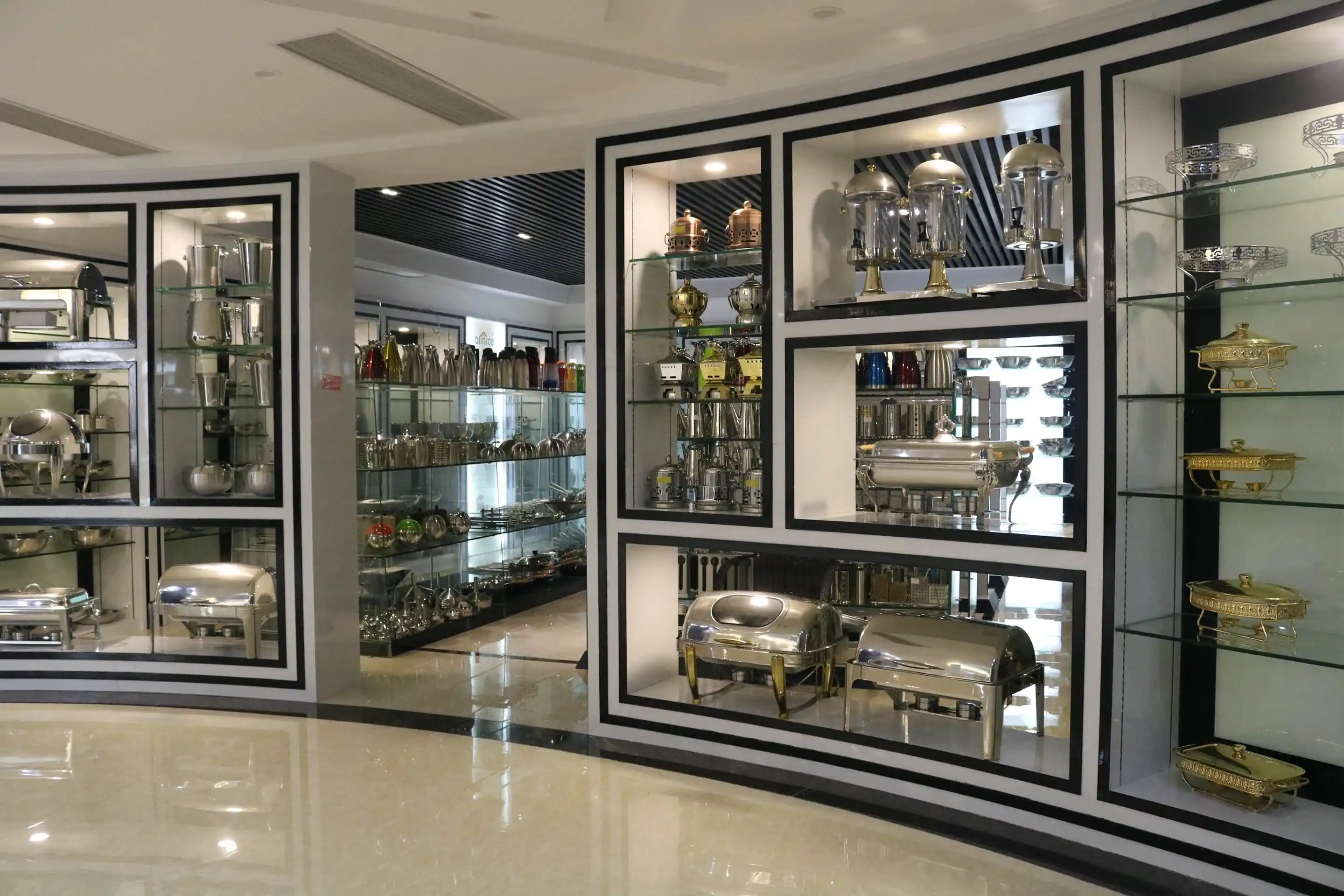
ألنيس is a trusted cookware and foodservice equipment manufacturer specializing in stainless steel cookware, tableware, chafing dishes, and commercial catering equipment for global importers, wholesalers, distributors, and brands.
With experienced OEM/ODM capabilities, ألنيس supports customers throughout the product-development process, including product design, mold development, brand-logo customization, and bulk manufacturing. Our integrated capabilities allow buyers to develop products according to their target market, application requirements, and brand positioning.
Our focus on manufacturing capability, strict quality control, competitive pricing, and one-stop foodservice solutions makes ألنيس a practical partner for businesses developing or expanding their commercial catering equipment range.
Looking for a reliable OEM/ODM partner for electric chafing dishes? Contact ألنيس to discuss your target market, product specifications, certification requirements, and private-label project.